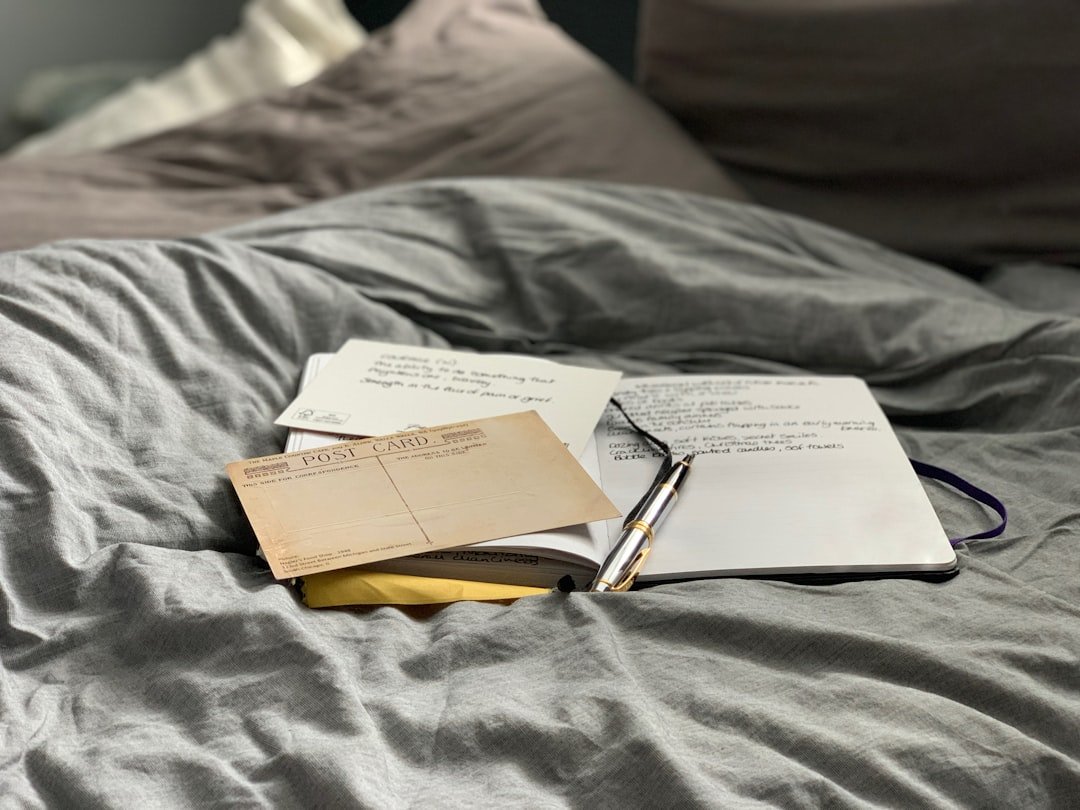
Write down one thing that made this exact moment 1% easier: warm socks, a locked door, clean water, your pet nearby, or simply the fact that you got through the morning. Start there. Gratitude journal prompts for hard days work best when they ask for honesty instead of a cheerful performance, especially when nothing feels good and a long list of blessings feels completely out of reach.
You do not need to feel grateful before you write. That is key. On difficult days, I treat gratitude as noticing support, comfort, or relief rather than trying to prove that life is wonderful. A small true observation can feel more grounding than a page full of statements you do not believe.
Why gratitude can feel difficult on hard days
When you are overwhelmed, exhausted, grieving, frustrated, or emotionally flat, your attention may narrow around what hurts or what still needs fixing. That is human. A gratitude practice is not meant to cancel those feelings, put a polished spin on a hard situation, or make you judge yourself for struggling.
The most useful version is often very modest. Think smaller. Instead of asking, “What am I grateful for?” try asking, “What is not making this moment worse?” The answer might be a soft blanket, ten quiet minutes, a meal you did not have to make, or the ability to cry privately.
This approach has helped me on days when traditional prompts felt almost irritating. I do not force a bright answer. I look for a neutral fact, a tiny comfort, or evidence that I have already carried myself through something difficult before.
Gratitude journal prompts for hard days
Pick one prompt only. Five minutes is enough. You can write a sentence, make a list of fragments, or answer in a few blunt words. The goal is to notice what is real, not to create a meaningful journal entry worthy of anyone else reading it.
- What made today slightly more manageable? Keep it specific.
- What did I have access to today that helped me cope, even a little?
- What can I see, hear, touch, taste, or smell that feels neutral or comforting right now?
- What is one task I completed, however ordinary? It counts.
- Who gave me space, kindness, patience, or practical help lately?
- What did my body do for me today? Breathing counts too.
- What am I relieved I do not have to handle this minute?
- What familiar thing made me feel safer today?
- What part of my routine required the least effort and still supported me?
- What boundary, cancellation, pause, or choice protected my energy?
- What did I survive before that reminds me I can take the next step?
- What tiny pleasure did I notice, even briefly? Be literal.
- What did someone else create or provide that made my day easier?
- What expectation can I release until tomorrow?
- What is one thing I do not need to solve tonight?
If none of those prompts land, use this sentence stem: “Today was hard, and I am glad that ______.” You might write, “Today was hard, and I am glad I took a shower,” or, “Today was hard, and I am glad I did not send that text while upset.” Plain answers are often the most useful ones.
When nothing feels good, lower the bar
There are days when even “tiny pleasure” feels like too much. Skip it. You can use gratitude prompts that focus on absence of harm, basic needs, or a little less discomfort instead of joy. This is not a failure of your practice.
| If this is your day | Try this prompt | A realistic answer might be |
|---|---|---|
| I feel numb | What is one neutral thing around me? | The room is quiet. |
| I feel angry | What helped me avoid making today worse? | I stepped away before replying. |
| I feel sad | What comfort is available without effort? | I have my blanket and tea. |
| I feel anxious | What is already handled for today? | My appointment is on the calendar. |
| I feel exhausted | What can wait until tomorrow? | The laundry can wait. |
Try writing about what is neutral. Neutral is enough. The texture of your pillow, the hum of a fan, a familiar mug, daylight through the window, or the fact that your phone is charged may not feel profound, but they can gently bring your mind back to the present.
I also like an “I am allowed” list on days when gratitude feels impossible. Write: “I am allowed to rest before I feel better.” “I am allowed to be disappointed.” “I am allowed to appreciate one small thing and still have a hard day.” Both things can be true.
Use prompts that do not dismiss your feelings
A prompt should make room for the hard part. If a question makes you feel guilty, pressured, or more isolated, change it. Your journal is private. It does not need to sound optimistic, insightful, or emotionally tidy.
These paired prompts can hold both reality and appreciation at once:
- What hurts today, and what is helping me carry it? Name both.
- What am I disappointed about, and what support do I still have?
- What feels uncertain, and what is steady for the next hour?
- What do I wish were different, and what can I offer myself tonight?
- What am I grieving, and what memory or person still matters to me?
- What feels heavy, and where can I put down 5% of it?
This style can be especially helpful when your mind rejects overly positive statements. It does not ask you to deny pain. It asks you to notice one available resource while acknowledging that the situation may still be genuinely hard.
Be careful with comparison. Someone else having a more difficult situation does not make your own feelings disappear, and using gratitude as a reason to silence yourself usually makes journaling feel like another chore. Appreciation is more sustainable when it comes with self-respect.
A five-minute hard-day journaling routine
Keep the process simple enough for low-energy days. A complicated routine rarely survives a bad week. You only need paper, a notes app, or a blank document, and you do not need to reread what you write later.
- Set a short timer. Choose two to five minutes. Stop when it ends.
- Name the day honestly. Write one sentence: “Today feels ___.” No editing.
- Choose one prompt. Pick the least annoying question, not the deepest one.
- Write three true details. They can be neutral, practical, or comforting.
- Close with one next kindness. Water, food, a shower, rest, or a message can be enough.
For example, a whole entry might say: “Today feels too loud. I am glad I had leftovers for lunch. My sister answered my message. I do not have to decide anything tonight. Next kindness: put my phone on charge and go to bed early.” That is a complete practice. No extra meaning required.
If writing makes your thoughts race, switch formats. Try a voice note, a checkmark beside a printed prompt, or a list of objects you can see. My own preference changes with my energy, and a notes app is often easier than opening a beautiful journal when I am already depleted.
How to make the habit feel gentler
Leave your journal where you naturally pause, such as beside the kettle, on your nightstand, or near your charger. Make it visible. The best cue is one you already have, rather than a new ritual that requires motivation at the end of a difficult day.
Keep a short prompt list inside the cover or pinned in your phone. Decision fatigue is real. When you are struggling, choosing a question can take more energy than answering one, so remove that extra step in advance.
Give yourself permission to skip days. Consistency does not have to mean daily. A practice that you return to after a gap is still a practice, and treating missed entries as evidence that you failed can make the journal feel punitive.
You can also make a “proof folder” for difficult days. Add kind texts, photos of ordinary good moments, a note about something you handled, or a list of meals that feel easy. It is not meant to convince you that everything is fine. It is simply a place to find reminders when your memory is leaning toward the worst parts.
When to choose support beyond journaling
Journaling can be a useful wellness habit, but it has limits. That matters. If writing regularly leaves you more distressed, brings up memories that feel overwhelming, or you are having ongoing trouble with mood, anxiety, sleep, daily tasks, or feeling safe, consider reaching out to a qualified mental health professional or another appropriate support service.
You do not need to earn support by coping alone first. A journal can sit alongside professional care, conversations with someone you trust, and practical help. On a particularly hard day, the most caring prompt may be: “Who can I contact, and what can I say in one honest sentence?”
Frequently asked questions
What if I cannot think of anything to feel grateful for?
Use a neutral observation instead. Try “What is not actively hurting right now?” or “What basic support do I have in this moment?” A chair, a glass of water, clean clothing, or five minutes alone are valid answers. Keep it small.
Do gratitude journal prompts for hard days have to feel positive?
No. They can feel quiet, flat, or practical. On difficult days, the aim is awareness rather than happiness, and you can write that you are grateful for a cancelled plan, an early bedtime, or not having to explain yourself. Honest is better.
How often should I journal when I feel low?
Choose a frequency that does not create pressure. Two minutes once a week can be useful, while some people prefer a few lines at night during a stressful period. If it begins to feel like another obligation, reduce the time or pause.
Can I write negative feelings in a gratitude journal?
Yes. In fact, pairing the difficult feeling with one source of support can make the practice more believable. Write the hard truth first, then add one thing that helped you get through the day. Both belong on the page.
What is the easiest prompt to use tonight?
Write: “One thing that made tonight easier was ______.” Stop after one answer. That is enough for today.
Related posts
This article is for general informational purposes only and does not constitute medical or mental health advice. Self-care and mindfulness practices affect everyone differently — always consult a qualified professional for anxiety, sleep, mood, or any ongoing mental health concern.
Disclosure: This post may contain affiliate links. If you click through and make a purchase, we may earn a commission at no extra cost to you. We only recommend products we’ve researched or genuinely believe in.