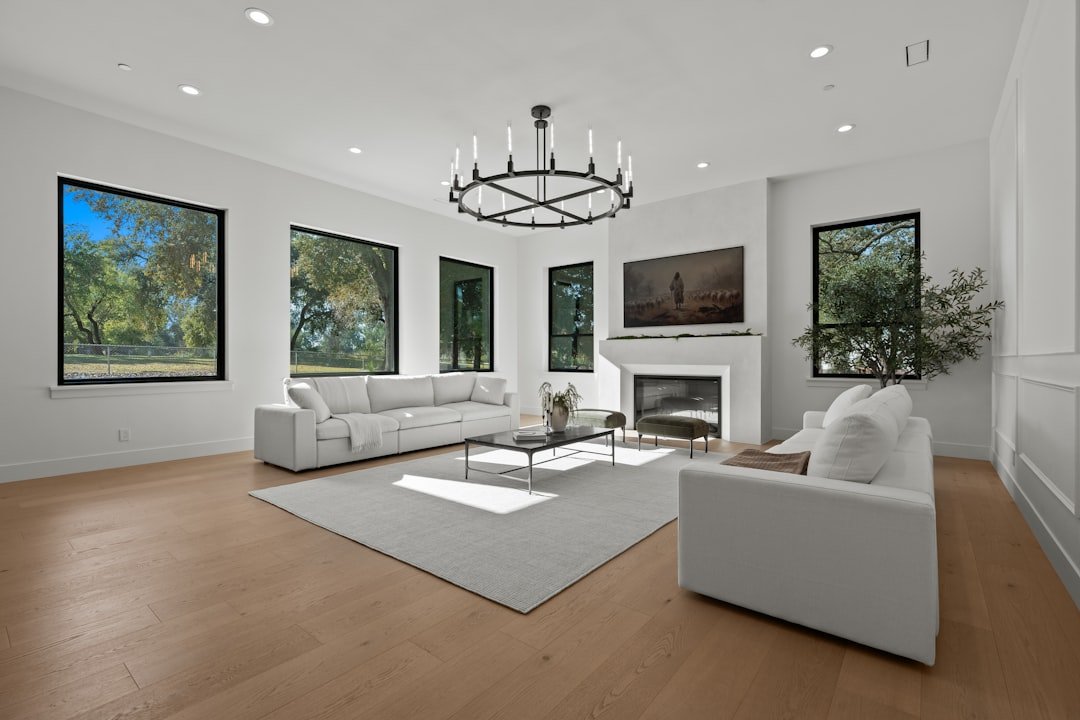
To learn how to cleanse your energy at home without sage, start with a familiar moment: you get home after a hard day, drop your keys, and the room still feels tense. Try a simple reset. Open a window, remove one source of clutter, and choose a sensory cue such as sound, water, or a scent you genuinely like. If you are wondering how to cleanse your energy at home without sage, the useful part is creating a clear transition between what happened outside and how you want to feel in your own space.
People use the phrase “cleanse your energy” in different ways. For some, it is a spiritual ritual. For others, it means making a home feel calmer, cleaner, and more emotionally supportive after conflict, stress, visitors, or a long workday. There is no single method that works for everyone. Keep it personal.
Sage is not required for a meaningful practice, and skipping smoke may be more comfortable if you live in a rental, share walls with neighbors, have pets, dislike the smell, or simply do not want to burn anything indoors. Your attention matters more than the tool. A small action done deliberately can feel more grounding than buying a cupboard full of spiritual supplies.
How to cleanse your energy at home without sage
A practical home cleanse usually has two parts: change something in the room, then pause long enough to notice the change in yourself. Start with the physical space because it gives your mind a visible cue that the reset has begun. Begin small.
- Choose one area. Pick the entryway, bedroom, desk, or living-room corner that feels most unsettled. Avoid trying to transform the entire home when you are already depleted.
- Clear one obvious disruption. Put away dishes, open mail, gather laundry, or empty a small bin. Set a timer for five minutes. Stop when it rings.
- Refresh the air. Open a window or door for a few minutes if weather and safety allow. If you cannot, switch on a fan or step outside briefly before returning.
- Use one alternative method. Ring a bell, play a song, wipe a surface with a pleasant-smelling cleaner, or wash your hands slowly under warm water.
- Close with a sentence. Say quietly, “This room is for rest,” or use words that fit your beliefs. Make it believable.
The sequence is intentionally ordinary. It gives your nervous system a transition cue without asking you to perform a perfect ritual. You may feel nothing dramatic. That is fine.
Alternative methods that do not involve smoke
Different tools create different kinds of atmosphere, so choose based on what you can realistically repeat. A bell may suit someone who likes a clear start and finish. Fresh air may suit someone who feels better after changing the temperature or smell of a room. The table below can help you pick one method instead of collecting too many.
| Method | How to use it | Best for | Keep in mind |
|---|---|---|---|
| Fresh air | Open windows for five to ten minutes, then straighten one surface. | A stale or crowded-feeling room | Use only when weather and home safety make sense. |
| Sound | Ring a bell, clap in corners, or play one intentional song. | A quick emotional reset | Keep volume considerate in shared housing. |
| Water | Wash hands, shower, mop a small area, or wipe the entry table. | Feeling emotionally “sticky” after the day | Use ordinary cleaning products as directed. |
| Salt | Place a small bowl of salt for a day, then discard it. | A symbolic ritual with no scent | Keep salt away from pets and children. |
| Scent without burning | Use a diffuser, room spray, or fresh herbs in a vase. | Creating a recognizable home cue | Fragrance can bother some people, so use lightly. |
| Light | Turn on a lamp, draw curtains, or light a candle while present. | Evening transitions | Never leave an open flame unattended. |
None of these items has to carry a big spiritual meaning. The ritual can simply mark a boundary: work is over, the argument is over, company has gone home, or you are ready to sleep. That boundary is useful.
Use sound to mark a reset
Sound is one of the easiest alternative methods because it requires almost no preparation. You can ring a small bell near the doorway, clap once in each corner, tap a singing bowl if you already own one, or play a single song while you put the room back in order. Keep it simple.
If you use sound as a spiritual practice, move through the room slowly and pause at places that feel emotionally loaded, such as your desk after a difficult meeting or the sofa after an argument. Say what you are releasing in plain language. “I am done replaying that conversation” is more useful than forcing yourself into a positive statement you do not believe.
For a quieter version, put on headphones and listen to one calming track while you sit with both feet on the floor. Notice five sounds around you when the music ends. This takes minutes.
Use water for a physical and symbolic clean slate
Water can make a reset feel concrete because it involves movement, temperature, and touch. Wash your hands with attention after you get home. Let the water run over your wrists, take three slower breaths, and imagine the day ending at the drain if that image feels meaningful to you.
A shower can become a similar transition ritual. You do not need special products. While you rinse, name one thing you want to leave behind and one quality you want to bring into the evening, such as patience or quiet. Then get dressed in clothes that signal you are off duty.
You can also use water in the room itself. Wipe your front door handle, kitchen counter, or bedside table with a cloth and a household cleaner that is safe for that surface. Choose one spot. The goal is completion, not an exhausting cleaning session.
Use scent thoughtfully
If you miss the sensory part of burning sage, a non-smoke scent can give you that same “ritual begins now” signal. A room spray, a diffuser, dried lavender in a bowl, or a pot of citrus peel simmering on the stove can work. Less is often better.
I would treat scent as preference, not proof that a room is spiritually clean. A smell you associate with calm can be comforting, while a strong fragrance can be distracting or nauseating for someone else. Skip it if it does not feel good.
Be cautious with essential oils around pets, children, asthma, migraines, or anyone sensitive to fragrance. Read product instructions and use good ventilation. A bowl of fresh lemon slices or an opened window may be the easiest option.
Use salt as a symbolic boundary
Salt is used in many home rituals, though its meaning differs across traditions and households. If it fits your beliefs, place a small bowl of plain salt near the entryway, beside your bed, or in a room that has felt heavy. Leave it there overnight or for a day. Then discard it in the trash and wash the bowl.
Make the action specific. As you set it down, decide what the ritual represents: a boundary after a visitor leaves, a reminder to stop bringing work into bed, or a fresh start after an upsetting week. The object is only a prompt. Your choice gives it meaning.
Do not scatter salt where pets may lick it or where it can damage flooring, metal, or plants. A contained bowl is easier to manage. It is also less messy.
Build a five-minute routine you will actually use
The best cleansing routine is usually the one you can do on an ordinary Tuesday, when you are tired and have no interest in a complicated ceremony. Keep a small basket with a cloth, a bell or speaker, and any scent item you enjoy. Put it somewhere visible.
Here is a five-minute version. For the first minute, open a window or stand at the doorway and take slower breaths. For minutes two and three, return five items to their places or clear one surface. For minute four, use sound or wipe down the area. For the last minute, sit, stand still, or stretch while saying one sentence about what you want your home to feel like tonight.
Try the routine after a stressful call, before bed, or when you return from errands. Attach it to an existing habit. For example, after you put the kettle on, clear the counter and ring a bell once before the water boils. Repetition makes the cue familiar.
If you live with other people, make the ritual respectful rather than controlling. You can cleanse your own corner, desk, or bedroom without implying that someone else has brought “bad energy” into the home. That distinction matters. A shared space needs consent.
What to avoid when cleansing a home
A home cleanse should not become another task that makes you feel behind. Avoid setting rigid rules about how often you must do it, which direction you must walk, or whether you did it correctly. There is no test to pass.
Also avoid using ritual as the only response to a real practical problem. If a room feels stressful because bills are piling up, a relationship feels unsafe, or you are unable to sleep or function, a bell and an open window may offer a pause but will not resolve the underlying issue. Reach out for appropriate support.
Fire safety matters too. If you choose candles or incense alternatives that use heat, stay in the room, place them on a stable heat-safe surface, and extinguish them before leaving. Use battery-operated candles if open flame is not a good fit for your home.
Finally, give yourself permission to stop if a ritual increases fear, guilt, or obsessive checking. Wellness habits should feel supportive enough to set down. For anxiety, sleep, mood, or ongoing mental health concerns, speak with a qualified professional who can offer care suited to your situation.
Make the space feel like yours again
You do not need sage, expensive tools, or a perfectly serene home to create a meaningful reset. Open the air, clear one small area, use a sound or scent you like, and end with a simple intention. Start there.
Some days, the whole practice may be washing your hands and changing into soft clothes. Other days, you may want to clean your entryway, play music, and sit quietly for ten minutes. Both count. The point is to make a small, repeatable gesture that helps you come back to yourself and your home.
Related posts
This article is for general informational purposes only and does not constitute medical or mental health advice. Self-care and mindfulness practices affect everyone differently — always consult a qualified professional for anxiety, sleep, mood, or any ongoing mental health concern.
Disclosure: This post may contain affiliate links. If you click through and make a purchase, we may earn a commission at no extra cost to you. We only recommend products we’ve researched or genuinely believe in.