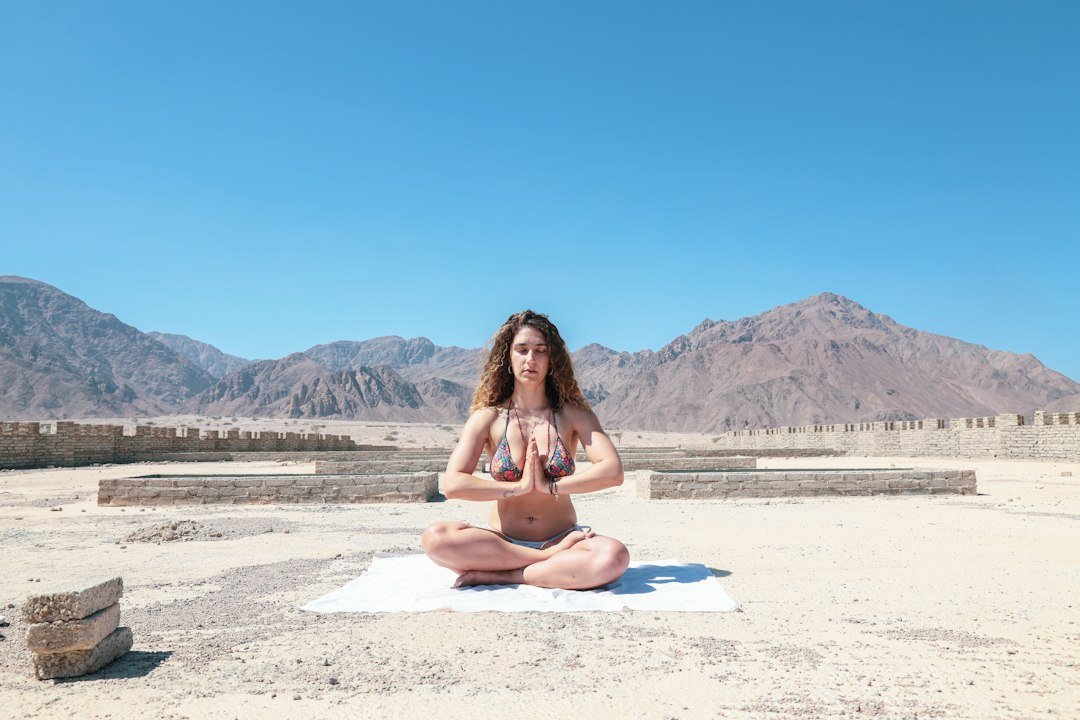
A common misconception is that how to do a body scan meditation means forcing yourself to relax or empty your mind. It doesn’t. To do a body scan meditation, you move your attention slowly through different areas of your body, notice what is there, and return when your mind wanders. No special feeling is required.
A body scan is a mindfulness practice that gives your attention a physical anchor. You may notice warmth, pressure, tingling, tightness, numbness, or nothing especially noticeable. All of that counts. The point is observation, not performance.
I used to assume a successful body scan would leave me floating and calm. Sometimes it does. Other times, I simply become aware that my jaw is clenched or that my shoulders have been lifted toward my ears for an hour. That information is still useful, because it gives me a chance to choose what I want to do next.
How to do a body scan meditation step by step
Set aside five to 15 minutes for your first few practices. Start small. A brief practice is easier to repeat than a long session you begin to dread, and consistency usually matters more than making a meditation session feel impressive.
- Choose a position you can maintain. Lie on your back if that feels comfortable, or sit in a chair with both feet supported. Let your hands rest somewhere easy. You do not need perfect posture.
- Set a gentle timer. Pick a sound that will not startle you, then place your phone face down or out of reach. Five minutes is enough today.
- Take one natural breath. Notice the inhale and exhale without trying to make either one deeper. This is your starting point.
- Begin at your feet. Bring attention to your toes, the soles of your feet, heels, and ankles. Pause for one or two breaths in each area.
- Move upward at an unhurried pace. Travel through your calves, knees, thighs, hips, abdomen, chest, hands, arms, shoulders, neck, jaw, and forehead. There is no required order.
- Name simple sensations quietly. You might mentally say “warm,” “tight,” “neutral,” or “pulsing.” Keep the words plain. If nothing stands out, silently say “nothing clear.”
- Return when your mind leaves. Thoughts about work, dinner, relationships, or your to-do list will show up. That is normal. Notice the thought, then return to the body area where you left off.
- Finish with a wider awareness. Feel your whole body resting, sitting, or standing for two breaths. Open your eyes slowly. Take your time getting up.
That is the whole practice. You do not need to breathe in a certain pattern, visualize colors, or release every tense muscle. If you naturally want to soften your shoulders or uncurl your hands, that is fine, but treat it as a choice rather than a task you must complete.
What to focus on during the scan
Use physical sensation as your main focus. Simple is best. Notice contact with the floor, fabric against skin, temperature, heaviness, lightness, or the subtle movement of breathing around your ribs and belly.
Try to separate noticing from judging. “My lower back feels tight” is a body-based observation. “My lower back is ruined because I sit badly” is a story your mind has added. When that story appears, acknowledge it and return to the actual sensation.
You can use a quiet mental label if it keeps you oriented. I often use one word, then pause. For example: “feet, warm,” followed by two breaths; “calves, neutral,” followed by two breaths; “shoulders, tight,” followed by two breaths. The labels are optional.
Some people prefer to scan from head to toe rather than toe to head. Either direction works. Pick one route for a week so your attention has less to figure out, then change it if another order feels more natural.
A simple five-minute version
When you are short on time, scan fewer areas instead of rushing through your whole body. Keep it manageable. This version works well before a meeting, after a commute, or during a break when you want a moment away from screens.
- Spend one breath noticing both feet.
- Spend one breath noticing your legs and hips.
- Spend one breath noticing your belly and chest.
- Spend one breath noticing your hands and arms.
- Spend one breath noticing your shoulders, jaw, and face.
- Take two breaths with awareness of your whole body.
If your attention drifts during this shorter practice, skip the self-criticism. Come back. A body scan is partly the repeated act of returning, so a distracted session is not a failed session.
How long a body scan should take
There is no ideal length for everyone. Five to 10 minutes is a practical starting range, especially if you are learning how to stay with physical sensations without getting impatient. Longer sessions can feel restorative for some people, but they are optional.
A helpful rule is to choose a duration you can do on an ordinary day. Ten minutes before bed may sound appealing, yet three minutes after brushing your teeth might fit your real life better. Start there.
If you want to build the habit, try the same cue for several days. For example, put your phone on charge, sit on the edge of your bed, and do a five-minute scan before getting under the covers. Make it easy.
When a body scan feels uncomfortable
Body awareness can feel neutral, soothing, boring, or unexpectedly intense. Be gentle. You do not have to stay with any sensation that feels overwhelming, painful, or emotionally loaded.
If discomfort rises, open your eyes and orient yourself to the room. Name a few ordinary things you can see, feel your feet against the floor, or shift to an external sound such as a fan or traffic outside. You can end the practice.
It is also okay to scan only neutral areas, such as your hands or feet, rather than moving through your entire body. This is a personal preference that has made the practice more approachable for me on restless days. A partial scan still counts.
If meditation repeatedly brings up distress, panic, intrusive memories, or a sense of disconnection, pause the practice and speak with a qualified mental health professional. Support matters. Mindfulness is a general wellness habit, not a substitute for individualized care.
Small adjustments that make it easier
Comfort affects attention more than people sometimes admit. If lying down makes you sleepy, sit up. If sitting makes your back ache, use cushions or try standing with your weight balanced through both feet.
Guided recordings can help at first because someone else handles the pacing. Silence can be easier later. You might also use a simple written script, although leaving a little quiet space between body areas often gives you more room to notice what is actually present.
Try not to grade each session by whether you felt calm. That standard can turn meditation into another pressure point. A more useful question is: “Did I notice something without immediately needing to fix it?” Even a small yes is practice.
Frequently asked questions
Should I breathe deeply during a body scan?
Natural breathing is enough. Let it happen. Forced deep breaths can make some people feel tense or lightheaded, so keep your breath comfortable unless a qualified instructor has given you a specific technique.
What if I cannot feel a body part clearly?
Simply notice that the sensation is unclear. That is valid. You can focus on the outline of the area, the clothing touching it, or the fact that you are aware of trying to notice it, then move on when you are ready.
Can I do a body scan before sleep?
Yes, if it feels pleasant for you. Keep expectations light. Some people find a slow scan settles their attention at bedtime, while others become more alert when they focus closely on sensations. Experiment with a short version first.
Is it okay to fall asleep?
Yes. It happens. If your goal is meditation practice, try sitting up next time or doing the scan earlier in the evening. If you were resting and drifted off, there is no need to treat that as a mistake.
How often should I practice?
Two or three brief sessions a week is a realistic place to begin. Keep it flexible. Once the process feels familiar, you may naturally reach for it after stressful moments or whenever you notice that your body feels distant from your attention.
The most useful body scan is the one you can return to without turning it into a test. Start with five minutes, move slowly, and let ordinary sensations be enough. That is plenty.
Related posts
This article is for general informational purposes only and does not constitute medical or mental health advice. Self-care and mindfulness practices affect everyone differently — always consult a qualified professional for anxiety, sleep, mood, or any ongoing mental health concern.
Disclosure: This post may contain affiliate links. If you click through and make a purchase, we may earn a commission at no extra cost to you. We only recommend products we’ve researched or genuinely believe in.