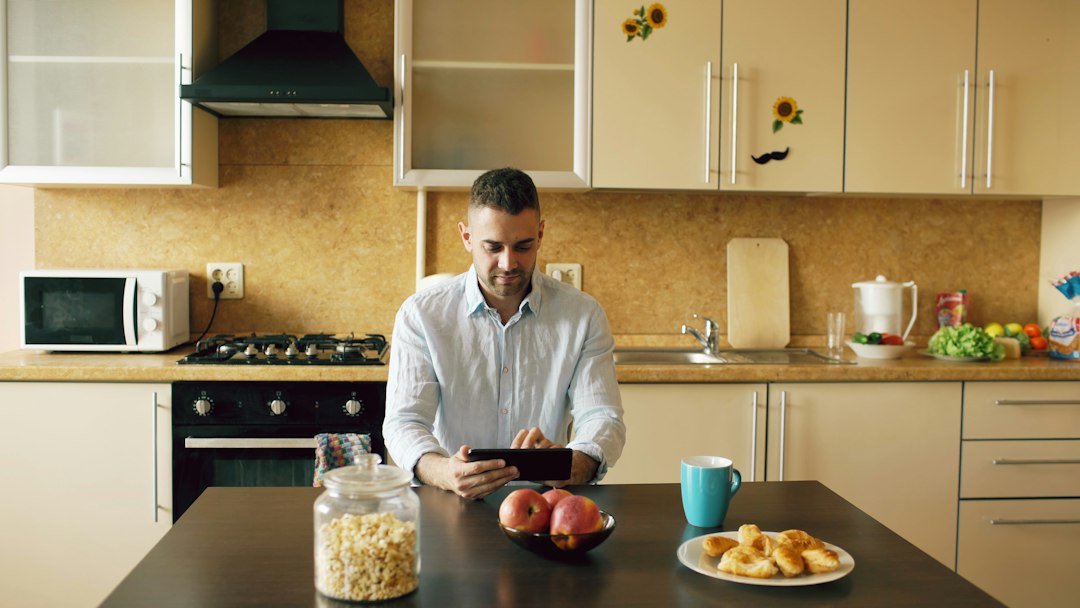
A common misconception is that building a breakfast habit means forcing down a large, picture-perfect meal before work. It does not. Learning how to build a habit of eating breakfast is usually about reducing friction, choosing an amount you can tolerate early in the day, and repeating a simple cue until breakfast feels ordinary.
If you currently skip breakfast, a full plate of eggs, toast, fruit, and coffee may feel unrealistic, especially during rushed mornings. That is fine. A banana with peanut butter, yogurt, or a piece of toast can be a valid starting point because the goal is consistency first, not a “perfect” breakfast.
Breakfast is also personal. Some people wake hungry, while others need an hour or two before food sounds appealing, and work schedules, caregiving, commuting, medication, culture, and budget all shape what is practical.
How to build a habit of eating breakfast for busy mornings
A habit becomes easier when you stop relying on morning motivation and make decisions the night before. Busy mornings leave little room for searching cupboards, comparing options, or cooking something complicated while checking the time.
Use this basic formula: pick a cue, prepare one default food, and set a tiny minimum. Your cue might be starting the kettle, packing your bag, feeding a pet, or sitting at your desk. Your minimum can be three bites, half a yogurt, or a drinkable breakfast.
- Choose a reliable cue. Attach breakfast to something you already do every weekday. Coffee is a common cue.
- Set a two-minute option. Keep one breakfast that needs no cooking and no decision-making.
- Prepare the night before. Put shelf-stable items by your bag or place a ready-to-grab option at eye level in the refrigerator.
- Eat before leaving or take it with you. If home mornings are chaotic, make the commute or first work break part of the plan.
- Review after one week. Keep what was easy and change what sat untouched.
The tiny minimum matters because it protects the habit on difficult days. When you have slept poorly, overslept, or have an early meeting, eating a small option keeps the cue alive without turning breakfast into another task you failed to complete.
Choose a breakfast you will actually eat
Many breakfast plans fail because the food sounds healthy in theory but does not fit the person’s taste, appetite, or available time. You do not need to copy anyone else’s breakfast.
A useful starting point is to pair a carbohydrate source with something that has protein or fat, since that combination may feel more satisfying for some people than eating a plain pastry or piece of fruit alone. Individual responses vary, and this is a general food-planning idea rather than a rule.
| Morning situation | Low-effort breakfast idea | Night-before setup |
|---|---|---|
| No appetite on waking | Yogurt, milk, or a smoothie later in the morning | Chill it where you will see it |
| Leaving in five minutes | Banana with peanut butter or a cheese stick with crackers | Place shelf-stable food by keys |
| Commute or school drop-off | Overnight oats or a breakfast wrap | Prepare one portion in a container |
| Desk-based morning | Oatmeal cup, yogurt, or toast packed separately | Put it in your work bag |
| Hungry but short on time | Eggs made ahead with toast, or leftovers you enjoy | Cook extra food at dinner |
The best option is often boring in a good way. If you can eat the same breakfast four mornings a week without resenting it, that is more useful than collecting elaborate recipes you never make. Familiar food saves time.
Keep a backup that lasts longer than fresh produce. Think oats, nut butter, cereal, crackers, UHT milk, or shelf-stable smoothie ingredients, based on what you enjoy and can safely store. A backup prevents one empty refrigerator from ending the routine.
Make preparation easier than skipping
Your environment does a lot of quiet work. If breakfast ingredients are buried behind leftovers or require washing, chopping, and measuring at 7 a.m., skipping will often be the simpler choice.
Try a short evening reset after dinner. Check whether you have breakfast for tomorrow, refill a water bottle if you like one with food, and move your chosen item to the front of the fridge or counter. This takes less time than deciding while rushed.
You can also create a “breakfast station” with a bowl, spoon, oats, and any shelf-stable additions in one visible area. If you share a kitchen, use a small basket or a dedicated shelf so your supplies do not disappear into general pantry clutter.
For portable breakfasts, pack the nonperishable part at night and add cold food in the morning. For example, put a spoon, oats, and nuts in your work bag, then take yogurt from the refrigerator as you leave. The fewer separate steps, the better.
Use a flexible schedule instead of a strict rule
You do not have to eat immediately after waking for breakfast to become a habit. If early food feels unpleasant, choose a realistic window, such as within two hours of waking or during your first break.
This approach helps you avoid an all-or-nothing pattern. Perhaps you eat at home on calmer days, in the car before parking, or at your desk after your first task. The location can change while the habit stays intact.
Give yourself a clear fallback plan for late mornings. Mine would be: if I miss breakfast at home, I eat the snack in my bag before 10:30 a.m. Your own time can differ, but a specific decision prevents the vague thought of “I’ll eat later” from becoming no breakfast at all.
Weekends do not need to look identical. If you sleep later or enjoy a bigger brunch, that can fit your routine, but keeping one small breakfast cue on at least some non-work days may make Monday feel less abrupt.
Handle appetite, nausea, and changing needs
If you have little appetite in the morning, begin with a smaller portion and a neutral food you do not have to force. A few crackers, half a piece of toast, fruit, or yogurt may be more manageable than a large cooked meal.
Some people find a drinkable option easier at first, such as milk, a smoothie, or yogurt thinned with milk and fruit. It does not have to be fancy. Choose ingredients you already tolerate and enjoy.
Persistent nausea, pain, trouble swallowing, a major appetite change, or concerns about food and eating deserve individual guidance from a qualified healthcare professional. If you take medication that affects when or how you eat, follow the instructions provided by your prescriber or pharmacist.
You may also decide that a conventional breakfast schedule does not suit you. General wellness advice should not override your body, medical needs, or a clinician’s recommendations. The practical goal is a nourishing routine that feels sustainable for you.
Track the habit without making it stressful
For one week, use a simple checkmark on a calendar whenever you eat your planned minimum during your chosen time window. Do not track calories or grade the meal unless a qualified professional has specifically advised you to do so.
At the end of seven days, ask two questions: What made breakfast easiest, and what got in the way? You might notice that you succeed when yogurt is visible, but skip when you plan to cook. That is useful information.
A missed day is data, not proof that you lack discipline. If Tuesday went badly because you ran out of food, add a pantry backup; if you were not hungry at 7 a.m., shift your eating window. Change one thing at a time.
Build a realistic five-day starter plan
Use one breakfast for the first few days rather than introducing a new meal every morning. Repetition lowers the mental load, which is often the real barrier on busy mornings.
- Sunday: Choose one default breakfast and buy enough for five portions.
- Monday: Eat the smallest acceptable amount after your chosen cue.
- Tuesday: Prepare Wednesday’s breakfast before bed, even if Monday did not go perfectly.
- Wednesday: Pack a portable backup for tomorrow.
- Thursday: Notice whether the portion, timing, or food needs adjusting.
- Friday: Mark what worked and restock your easiest option for next week.
For example, your plan might be yogurt and a banana at your desk by 9:30 a.m. You buy five yogurts and five bananas, place one of each near the front each night, and keep crackers in your bag in case you leave without them. That is a complete routine.
Frequently asked questions
What if I am never hungry in the morning?
You do not need to force a large meal right after waking. Start with a later breakfast window and a small amount of food, then see whether a consistent schedule feels comfortable over time.
What is the fastest breakfast for busy mornings?
The fastest breakfast is one you already have ready and enjoy eating. A banana with nut butter, yogurt, overnight oats, toast, or a packed leftover can take little or no morning preparation.
How long does it take to make breakfast a habit?
There is no universal timeline. Focus on repeating your cue and minimum meal for a few weeks, then adjust the setup when you notice practical barriers rather than expecting automatic consistency immediately.
Can coffee count as breakfast?
Coffee can be part of your morning routine, but it may not feel like enough food for everyone. If you want to build an eating habit, pair it with a small food you find manageable, such as toast or yogurt.
What should I do if I keep forgetting?
Make the reminder physical instead of relying on memory. Put your breakfast next to an item you cannot leave without, add it to your evening packing routine, or set a simple phone reminder for your chosen eating window.
Related posts
This article is for general informational purposes only and does not constitute nutrition or medical advice. Dietary needs and eating habits vary, so consult a qualified healthcare professional or registered dietitian for persistent appetite changes, nausea, food-related concerns, or individualized nutrition guidance.
Disclosure: This post may contain affiliate links. If you click through and make a purchase, we may earn a commission at no extra cost to you. We only recommend products we’ve researched or genuinely believe in.