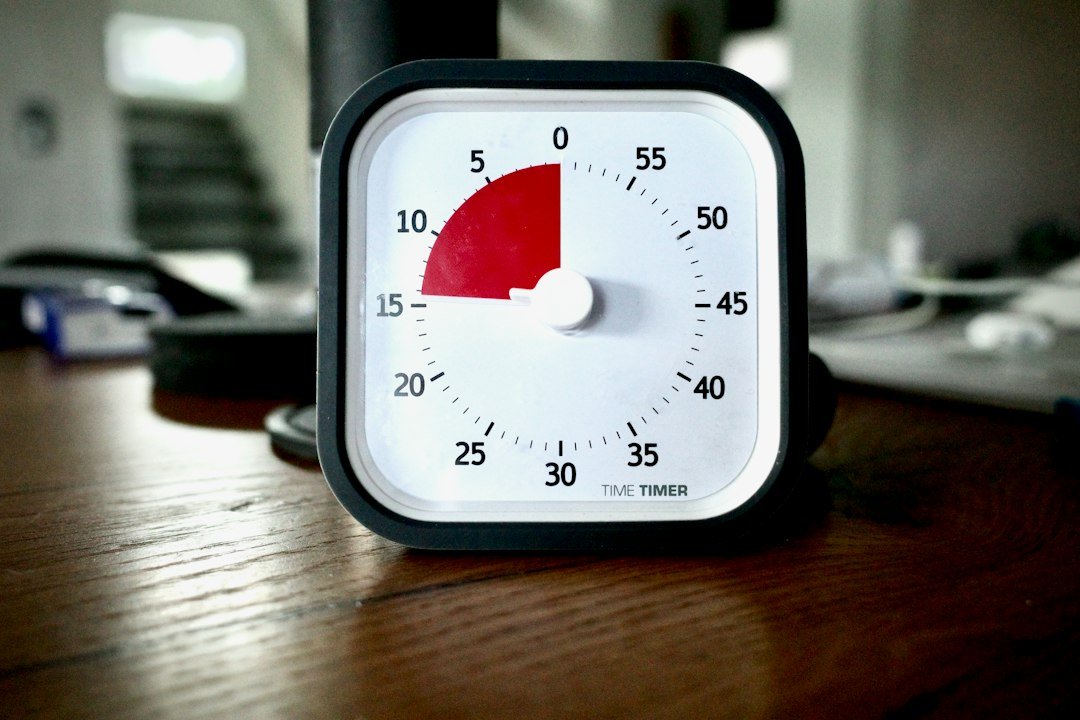
Start by breathing in gently for five seconds, then out gently for five seconds, for two minutes. That is resonance breathing how to do it in its simplest form, and you do not need to force a deep breath or sit in a special position. Keep it easy. If you are looking up resonance breathing how to do it for stress relief, the useful goal is not to erase a feeling on command. It is to give your attention one steady, physical task while a stressful moment passes.
Resonance breathing is a form of paced breathing where the inhale and exhale are usually similar in length, often around five or six breaths per minute. The exact pace differs by person. A count that feels calm and unstrained matters more than matching a number you saw online.
I like this practice because it is simple enough to use between ordinary tasks. No setup required. It can fit before a meeting, after a difficult text, or while waiting for the kettle to boil. For me, it works best as a short reset rather than a test of whether I can become perfectly calm.
Resonance breathing how to do it step by step
Choose a place where you can sit with your feet supported, stand comfortably, or lie down if that feels safe and you are unlikely to fall asleep. Let your shoulders drop. Unclench your jaw if you notice it is tight. Your posture does not need to look impressive. It only needs to let your ribs and belly move without restriction.
- Set a short timer. Begin with two minutes. A shorter practice is easier to repeat, especially when your mind is busy.
- Breathe in through your nose if comfortable. Count slowly: one, two, three, four, five. Let the breath arrive rather than pulling it in.
- Breathe out softly. Count another five seconds. Your exhale can go through your nose or gently parted lips, whichever feels more natural.
- Repeat the same rhythm. Aim for smooth transitions, without holding your breath at the top or bottom unless a pause happens naturally.
- Finish normally. Let go of the count, take one ordinary breath, and notice one thing you can see or feel around you before moving on.
That is enough. A five-second inhale and five-second exhale makes one full breath cycle about ten seconds long, which is roughly six breaths in a minute. If counting pulls you out of the practice, use a quiet timer with a soft repeating cue, or lightly tap your fingers at an even pace instead.
Keep the breath smaller than you think. Many of us hear slow breathing and immediately take huge breaths, but that can feel uncomfortable or make you lightheaded. Gentle is better. Think of expanding your lower ribs a little, then allowing them to settle back down.
Find a pace that feels sustainable
Five seconds in and five seconds out is a starting point, not a rule. Some people prefer four seconds in and four seconds out, particularly when they are new to breath practice or have a stuffy nose. Others find a five-second inhale and a six-second exhale pleasant. The best pace is one you can maintain without straining, gasping, or feeling as if you are racing to keep up.
Try this small adjustment process. Start with four counts in and four out for one minute. If it feels comfortable, move to five and five for the next minute. If five feels too slow, return to four. There is no prize for a longer count.
For stress relief, I would avoid turning the exhale into an exaggerated sigh every time. One natural sigh can feel relieving. Repeatedly pushing air out may create tension in your chest, throat, or face. A quieter, more ordinary exhale is usually easier to stay with.
Use it when stress first starts building
The most practical time to use resonance breathing is often before stress feels enormous. Notice your early signs. Maybe you reread the same email, tighten your shoulders, scroll without taking anything in, or start speaking faster. Those are useful cues to pause for two minutes rather than evidence that you have failed at coping.
Make the cue specific. For example, after you close your laptop at lunch, put both feet on the floor and do twelve slow, even breaths before picking up your phone. Or, when you get into your car after work, breathe at your chosen pace for two minutes before driving away. Linking the practice to an existing moment makes it less dependent on motivation.
If you are in the middle of a tense conversation, keep it discreet. Breathe normally enough that you can still listen, and let your exhale soften by a small amount. You do not need to count out loud. A private count of four in and four out can be plenty.
What to focus on while you breathe
You have a few good options, and none is universally best. You can follow the numbers, notice air at your nostrils, feel your ribs move, or rest a hand lightly on your abdomen. Pick one. Switching focus every few seconds can make the practice feel more complicated than it is.
Thoughts will show up. That is normal. When I notice I am planning dinner or replaying a conversation, I simply return to the next inhale count without telling myself off. The return is the practice. You do not need an empty mind to take a slow breath.
Some people prefer a phrase over counting. You might silently use “in, two, three, four” and “out, two, three, four,” or a simple word such as “soften” on the exhale. Keep it neutral. If a phrase feels forced or irritating, drop it and return to the physical sensation of breathing.
Common mistakes that make it harder
The first common issue is trying to breathe as deeply as possible. Skip that. Resonance breathing is more about steadiness than volume. If your chest feels overfilled, reduce the size of the inhale and let your body choose a more natural range.
The second issue is holding your breath between counts because you think the rhythm requires it. It does not. Let the inhale flow into the exhale. A brief natural pause is fine, but deliberate breath holds can feel activating for some people.
The third is judging the result too quickly. Two minutes may not create a dramatic shift, especially during a hard day. It can still be a worthwhile pause. I treat it like washing a cup as I go rather than waiting until the whole kitchen is overwhelming.
Finally, do not use breathwork as a reason to ignore a problem that needs action. A few steady breaths before a difficult email may help you respond with more care, but they do not write the email, set a boundary, or replace support from someone qualified to help.
When to stop or choose another practice
Stop if you feel dizzy, numb, panicky, unusually short of breath, or more distressed while trying the exercise. Return to ordinary breathing. You can shift your attention outward by naming a few objects in the room, feeling your feet on the floor, or sipping water.
Breathing exercises are not comfortable for everyone, especially people who have had panic sensations, trauma-related reactions, respiratory concerns, or strong discomfort with focusing inside the body. That does not mean you are doing it wrong. It may mean a different grounding habit is a better fit right now.
If stress, anxiety, sleep trouble, low mood, or panic is persistent or affecting daily life, speak with a qualified health or mental health professional. They can help you sort out what support makes sense for your situation. A self-care routine can be supportive, but it is not a substitute for individualized care.
Build a small resonance breathing habit
Start with two minutes once a day for a week. Keep it modest. Put the practice after something you already do, such as making morning coffee or changing out of work clothes. Consistency is easier when the routine has a clear home.
After a week, decide based on your actual experience. If two minutes feels pleasant or neutral, try three to five minutes on some days. If it feels like another obligation, shorten it to six breaths. A tiny practice you actually use is more valuable than an ambitious one you avoid.
You can also keep a brief note for yourself after practicing: before, during, after. Use plain words such as tense, scattered, okay, sleepy, or steady. This is not about scoring your nervous system. It is a way to learn whether the timing, count, and setting feel personally useful.
Frequently asked questions
How long should resonance breathing last?
Two to five minutes is a reasonable place to begin. Start small. You can repeat it later in the day if you want, but there is no need to push through discomfort or aim for a particular total.
Should the exhale be longer than the inhale?
It can be, but it does not have to be. Equal counts, such as five seconds in and five seconds out, are commonly used for resonance-style pacing. If a slightly longer exhale feels easier, try four seconds in and five seconds out without forcing the air.
Can I do resonance breathing lying down?
Yes, if lying down feels comfortable and you can stay alert enough to follow the pace. Sitting may be more practical when you want a quick daytime reset. Choose the position that lets your breathing stay easy.
What if counting makes me anxious?
Drop the numbers. Follow a visual breathing cue, listen to a gentle repeating sound, or simply aim for an unhurried inhale and exhale of similar length. The structure should support you, not become another demand.
Can resonance breathing replace therapy or medical care?
No. It is a general wellness practice that some people find grounding. For ongoing anxiety, mood changes, sleep concerns, panic, or any health symptom, a qualified professional can offer assessment and support tailored to you.
Related posts
This article is for general informational purposes only and does not constitute medical or mental health advice. Self-care and mindfulness practices affect everyone differently — always consult a qualified professional for anxiety, sleep, mood, or any ongoing mental health concern.
Disclosure: This post may contain affiliate links. If you click through and make a purchase, we may earn a commission at no extra cost to you. We only recommend products we’ve researched or genuinely believe in.