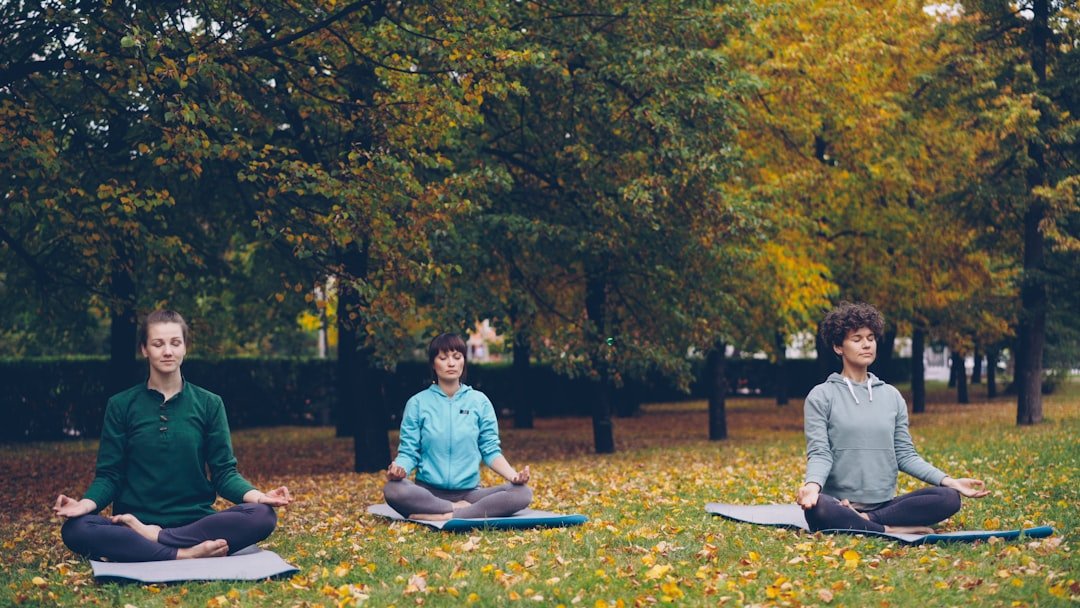
Set a timer for five minutes today, sit somewhere reasonably quiet, and notice your breath without trying to change it. That small pause is enough to begin. Learning how to start a spiritual practice does not require a new identity, expensive supplies, or a dramatic experience. It asks for attention and a little consistency. Your practice can be religious, secular, nature-based, or deeply personal. The useful question is simple: what helps you feel more present, connected, and honest with yourself?
How to start a spiritual practice step by step
Choose a small daily window
Pick a time you can actually protect. Five minutes after waking, before opening social media, works well for many people. Others prefer a pause after work or a few minutes before bed. I have found that attaching a new habit to something I already do, such as making tea or brushing my teeth, makes it easier to remember.
Keep the first commitment almost too easy. A 20-minute routine may sound meaningful, but it can become another obligation by day three. Five minutes gives you room to build trust with yourself. If you want to continue after the timer ends, great. If not, you still kept your promise.
Pick one anchor for your attention
An anchor is the place you return to when your mind wanders. You do not need to stop thinking. Wandering is normal. Simply notice it and come back.
- Breath: feel the air move at your nostrils or chest.
- A short prayer or phrase: repeat words that feel sincere to you.
- Nature: sit by a window and observe the sky, a tree, or changing light.
- Journaling: write a few uncensored lines about what you are carrying.
Choose one anchor for a week before adding another. Constantly changing methods can make a beginner feel as if she is failing when she is really just restarting. There is no prize for choosing the most elaborate option.
Create a clear beginning and ending
A tiny ritual helps your brain recognize that this time is different from ordinary scrolling or planning. You might light a candle if it is safe, place both feet on the floor, make a cup of tea, or take one slow breath before you begin. Keep it simple enough to do on an ordinary Tuesday.
At the end, close with one sentence. You could silently say thank you, name one thing you need today, or place a hand over your heart for a moment. The words do not have to sound spiritual. They only need to feel true.
Give your practice a gentle question
Some days, quiet will feel spacious. Other days, your to-do list may be very loud. A gentle question can give the time direction without turning it into a performance. Try asking: What am I feeling right now? What do I need to meet with kindness? What am I avoiding?
Do not force an answer. Sit with the question, then write down whatever arrives. Sometimes the answer is clear. Sometimes it is only tired, distracted, or unsure. That is still useful information. Spiritual practice is often less about finding perfect answers and more about becoming willing to notice your inner life.
Keep a brief record
After each session, write the date and one sentence. For example: I felt restless but stayed for five minutes. Or: I noticed relief when I looked at the rain. This is not a progress report. It is a way to see what supports you over time.
Review your notes after two weeks. Notice whether a certain time, place, or anchor feels easier to return to. Adjust one thing at a time. You may discover that morning silence is not your preference, while a short walk after lunch feels natural.
What a beginner spiritual practice can look like
A spiritual practice can include meditation, prayer, sacred reading, time outdoors, gratitude, reflective writing, music, or volunteering in a way that reflects your values. It does not need to copy someone else’s routine. If you belong to a faith tradition, you may want your practice to draw on its prayers, teachings, or community. If you do not, you can focus on presence, wonder, compassion, and your relationship with the natural world.
Be careful about treating every feeling as a sign that you are doing it right or wrong. A calm session can be pleasant. A distracted session can still be worthwhile. I think of consistency as returning, rather than achieving a certain mood. That perspective has made the habit feel less fragile for me.
Make the habit realistic
Put your journal where you will see it. Leave a cushion in the corner where you plan to sit. Set a quiet reminder if you need one. These practical cues matter more than waiting to feel inspired.
Missed days will happen. Avoid the urge to make up for them with an intense session. Return with five minutes at the next available moment. If your practice brings up persistent distress, fear, painful memories, or a sense of disconnection that concerns you, pause and speak with a qualified mental health professional. General wellness habits are not a substitute for care when you need support.
Frequently asked questions
Do I need to believe in a religion to have a spiritual practice?
No. Some people connect spirituality with a specific faith, while others experience it through reflection, nature, ethical living, or a sense of connection to something larger than themselves. Start with language and activities that feel honest to you. You do not need to borrow beliefs that do not fit.
How long should a spiritual practice take?
Five to ten minutes is plenty for a beginner. Length matters less than returning regularly. Once the habit feels stable, you can extend it when you genuinely want more time. A short practice you repeat tends to be more useful than an ambitious routine you resent.
What if I cannot quiet my mind?
You do not have to. The goal is to notice thoughts without chasing every one. Each time you return to your breath, phrase, or journal prompt, you are practicing. A busy mind does not mean the session failed.
Should I buy a journal, crystals, or a meditation app?
You can, but you do not need to. A notebook, a notes app, and a chair are enough. If an object or app makes the ritual easier to return to, it may be useful. Check current prices and privacy settings before buying or subscribing, since they vary by region and provider.
Related posts
This article is for general informational purposes only and does not constitute medical or mental health advice. Self-care and mindfulness practices affect everyone differently — always consult a qualified professional for anxiety, sleep, mood, or any ongoing mental health concern.
Disclosure: This post may contain affiliate links. If you click through and make a purchase, we may earn a commission at no extra cost to you. We only recommend products we’ve researched or genuinely believe in.