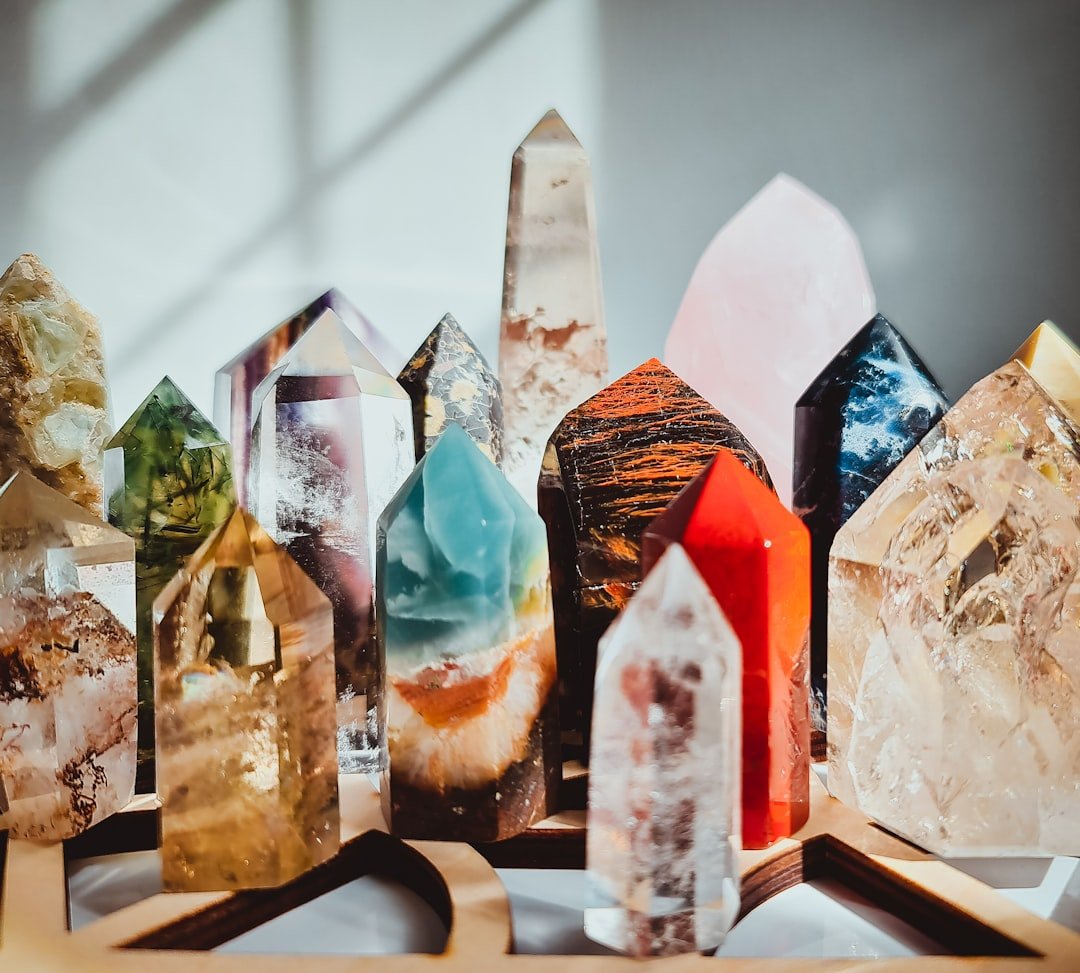
The best crystals for anxiety and stress are commonly amethyst, rose quartz, lepidolite, blue lace agate, and smoky quartz because many people connect their colors, textures, and traditional meanings with calmer self-care rituals. They are not medical treatments. If you are shopping for the best crystals for anxiety and stress, choose one that feels meaningful, fits your budget, and can become a practical cue to pause when your day feels too loud.
There is no reliable clinical evidence that crystals reduce anxiety or replace mental health care. That matters. Their value is more personal and ritual-based: holding a smooth stone during a breathing practice, seeing it on your desk before a hard call, or using it as a prompt to write down what is bothering you. For many people, that small pause is the useful part.
Best crystals for anxiety and stress for beginners
Begin with one stone rather than a large set. Keep it simple. A single crystal is easier to learn about, carry, clean, and actually use than a bowl of stones bought during a hopeful late-night scroll.
| Crystal | Common traditional association | What to look for | Realistic trade-off |
|---|---|---|---|
| Amethyst | Quiet, rest, reflection | A medium purple piece with no sharp chips | Popular pieces vary widely in color and price |
| Rose quartz | Self-kindness and emotional comfort | Soft pink color and a palm-friendly polish | Often pale, so color can be subtle |
| Lepidolite | Transition and soothing routines | A sealed or polished piece with visible lilac mica | It can be fragile and flaky when raw |
| Blue lace agate | Gentle communication and calm | Light blue bands and a smooth finish | Good-quality pieces can cost more |
| Smoky quartz | Grounding and steadiness | Clear brown-gray color with a stable base | Natural color and heat-treated color may be hard to distinguish |
Amethyst for a wind-down ritual
Amethyst is often the first recommendation because it is easy to find, available in many forms, and traditionally linked with quiet reflection. It is familiar. A small tumbled amethyst can sit beside a book, tea mug, or journal as a visual reminder to begin an evening routine.
For a beginner, a palm stone or tumbled piece is usually more useful than a large geode. Large clusters can be beautiful decor, but they are harder to handle and collect dust in their points. Choose a piece that feels pleasant in your hand, especially if you want to pair it with slow breathing or a five-minute check-in before bed.
Rose quartz for a kinder inner voice
Rose quartz is traditionally connected with compassion, comfort, and gentleness toward yourself. Its soft color helps. This can make it a good choice when stress shows up as harsh self-talk after mistakes, conflict, or an overfull week.
A rose quartz worry stone has a thumb-sized indentation, which gives your hand something to do while you pause. The crystal does not need to change your thoughts. Instead, use the physical action as a cue: rub the stone once, put both feet on the floor, then ask yourself what support would be realistic in the next ten minutes.
Lepidolite for transitions
Lepidolite is popular in crystal communities for periods of change, such as moving house, starting a job, or ending a difficult day. It has a shimmery look. Many pieces contain mica, which gives the surface a soft sparkle and makes it visually distinct from smoother, glassier stones.
It does need a little more care. Raw lepidolite may flake, and prolonged soaking is not a sensible cleaning method for a delicate mineral. A polished piece, kept dry and wiped with a soft cloth, is generally the lower-maintenance purchase for someone who wants a stone to carry in a pocket or bag.
Blue lace agate for tense conversations
Blue lace agate is traditionally associated with calm communication, which may appeal if your stress rises before meetings, family discussions, or appointments. Think of it as a prompt. Place it where you prepare for the conversation, then write one sentence about what you need to say before you begin.
Look closely at color and pattern when shopping. Genuine blue lace agate usually has gentle pale-blue banding, though every stone looks different. Intensely bright, highly uniform blue may indicate dye treatment, which is not automatically bad, but it should be disclosed so you know what you are buying.
Smoky quartz for a grounded feeling
Smoky quartz is often chosen by people who prefer a less delicate look and want a stone associated with steadiness. It feels earthy. A polished point or palm stone can work well on a desk when you need a brief reset between tasks.
Ask whether the color is natural or enhanced if that distinction matters to you. Some smoky quartz on the market has been heat treated or irradiated to deepen its color, and honest sellers normally describe this. Treated stones can still be attractive and affordable, but clear labeling helps you make a considered choice.
How to choose a crystal you will actually use
Start with the moment you want to support, not a dramatic promise on a product listing. Be specific. Do you want a touchstone for a commute, a visual reminder to take a screen break, or something to hold while you sit quietly for two minutes?
- Choose the form first. A worry stone suits fidgeting hands, while a small tower usually works better as shelf decor.
- Check the size. A stone that fits in a pocket is more likely to travel with you than a heavy piece left in a drawer.
- Read material details. Look for the mineral name, treatment disclosure, approximate dimensions, and clear photos taken in ordinary light.
- Set a modest budget. A simple tumbled stone is often enough for a first purchase, while rare specimens and large display pieces can cost substantially more.
Price does not measure emotional value. A lower-cost stone can become meaningful if you use it consistently, while an expensive specimen may become clutter if it was bought only because a listing promised a life change. Prices vary by region, size, polish, rarity, and whether a seller documents the stone’s source.
Be wary of claims that a crystal will cure panic attacks, guarantee sleep, absorb all negativity, or replace prescribed care. Skip those listings. Ethical sellers can describe spiritual traditions and aesthetic qualities without making health promises that no stone can support.
Buying details beginners often miss
Retail photos can make every crystal look larger and brighter than it is. Check measurements. Use a ruler beside your phone or compare the listed dimensions with an everyday object before ordering, especially when a product photo shows a stone held close to the camera.
Natural variation is normal. Chips, cloudy areas, mineral inclusions, and uneven color do not always mean poor quality, particularly in natural pieces. They may be part of the stone’s character, though a seller should clearly show major cracks, repairs, dye, coatings, or any drilled holes.
For a first purchase, research suggests a practical route rather than chasing a supposedly perfect vibration: buy from a seller with detailed descriptions, multiple photos, a stated return policy, and treatment information. Read recent reviews for packing accuracy and whether stones matched their listed size. Reviews cannot verify spiritual claims, but they can reveal basic shopping problems.
Consider where the item was sourced when that information is available. The crystal trade can involve long supply chains, and source details are not always easy to verify. A seller who is transparent about what they know, and honest about what they do not know, gives you better information than one relying on grand claims.
Ways to use a crystal without making it another task
Give your stone one clear job in your routine. Keep it by your kettle, beside your journal, or near your work bag. Every time you notice it, take one slower breath and relax your jaw before continuing with the next thing.
You can also use a crystal as part of a short grounding practice. Hold it and name five things you can see, then choose one small action that would make the next hour easier. Water is fine. A snack, a boundary, or a message to someone supportive may be the more useful next step.
Cleaning does not need to be elaborate. A dry microfiber cloth is a safe default for most polished pieces, while some minerals should not be soaked, scrubbed, or left in direct sunlight for long periods. If a seller gives specific care instructions, follow those rather than copying a ritual that may damage the stone.
Frequently asked questions
What is the best first crystal for anxiety and stress?
Amethyst is often the easiest first choice because it is widely available, comes in affordable small forms, and is traditionally associated with reflective, calming routines. Rose quartz is another good option if you want your stone to represent self-compassion. Pick the one you are most likely to reach for.
Can crystals treat anxiety?
No. Crystals should not be treated as a cure or a substitute for professional support, prescribed treatment, or a plan made with a qualified clinician. They can be used as a personal wellness cue alongside ordinary coping habits, such as rest, journaling, movement, and reaching out for support.
Should I buy raw or polished crystals?
Polished stones are usually easier for beginners. They are smoother to hold, less likely to shed small fragments, and often simpler to clean with a dry cloth. Raw pieces may appeal if you like a natural texture, but inspect photos for sharp edges and consider where you will keep them.
How much should a beginner spend?
Choose a price that feels comfortable if the item ends up being mainly decorative. Start small. You do not need a premium collection, a subscription box, or a rare specimen to create a meaningful ritual around one stone.
Related posts
This article is for general informational purposes only and does not constitute medical or mental health advice. Self-care and mindfulness practices affect everyone differently — always consult a qualified professional for anxiety, sleep, mood, or any ongoing mental health concern.
Disclosure: This post may contain affiliate links. If you click through and make a purchase, we may earn a commission at no extra cost to you. We only recommend products we’ve researched or genuinely believe in.