You are sitting in the car before an appointment, staring at an unread message, or lying awake with your thoughts moving too fast. The box breathing technique for anxiety gives you a small, repeatable task: breathe in for a count, pause, breathe out for the same count, then pause again. It will not solve the situation causing your stress, but it can create a brief point of focus when your mind feels scattered.
Box breathing is also called square breathing because its four parts are equal in length. A common starting count is four seconds for each part. You inhale for four, hold for four, exhale for four, and rest for four before beginning again. The structure is the point. You do not need a special app, a quiet room, or perfect posture.
How the box breathing technique for anxiety works
When anxiety rises, your breathing may become fast, shallow, irregular, or hard to notice at all. A measured breathing pattern gives your attention something physical and immediate to return to. Counting can interrupt the urge to mentally rehearse every possible outcome. For some people, the longer exhale also feels settling.
This is a general wellness practice, not a test of how calm you can become. You may feel little change the first time. That does not mean you did it incorrectly. The useful part is often noticing that you can pause, follow one count, and return to the present moment without needing to argue with every thought.
Breath holds are not comfortable for everyone. If holding your breath makes you dizzy, panicky, tight in the chest, or strained, skip the holds and try a gentle inhale followed by a slightly longer exhale instead. Stop if you feel unwell. Anyone with a respiratory, heart, panic-related, or other health concern should ask a qualified clinician what breathing practices are appropriate for them.
Step-by-step box breathing practice
Start when you have a few minutes and are not driving, walking near traffic, in water, or doing anything that requires full attention. Learning the pattern during a relatively calm moment makes it easier to remember on a difficult day.
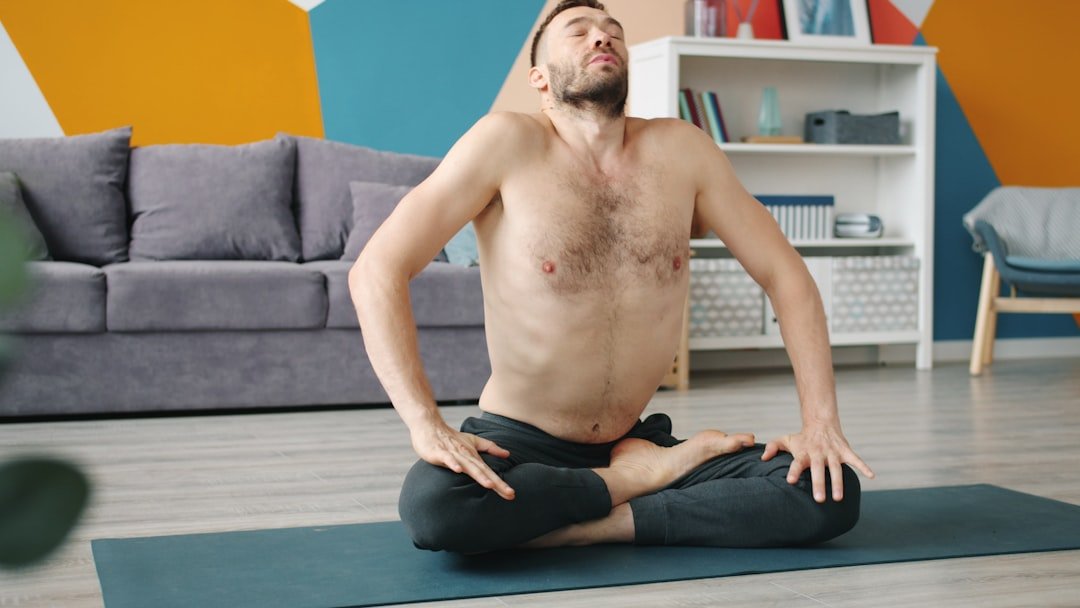
- Choose a stable position. Sit with both feet on the floor, lean against a wall, or lie down if that is more comfortable. Let your jaw soften. You do not need to sit cross-legged or hold your body rigidly.
- Exhale naturally first. Breathe out without squeezing the air from your lungs. This is simply a starting point, not a dramatic cleansing breath.
- Inhale for four. Breathe in through your nose if that feels easy. Count slowly in your head: one, two, three, four. Let the breath be light enough that your shoulders stay fairly relaxed.
- Pause for four. Hold the breath gently. Think of it as a pause rather than a challenge. If four feels like too much, shorten the count on your next round.
- Exhale for four. Breathe out slowly through your nose or mouth. Use whichever option feels more natural. Avoid pushing or collapsing your chest at the end of the exhale.
- Pause for four again. Rest with empty lungs for a comfortable count of four. Then begin the next inhale.
Try four rounds to begin. That takes roughly one to two minutes, depending on your pace. If the pattern feels easy, you can continue for five minutes. There is no prize for extending the practice. A short practice you can repeat is usually more useful than an ambitious routine you avoid.
If counting to four feels rushed, slow your count slightly instead of taking huge breaths. If it feels too long, use a count of two or three. Equal sides are more relevant than a specific number. You might use three counts on a busy workday and four counts before bed. Personal comfort matters more than copying a video exactly.
Find a count that feels sustainable
A common mistake is treating box breathing like a lung-capacity exercise. It is not. Bigger breaths can leave some people feeling lightheaded or more activated, especially when they are already tense. Aim for smooth, ordinary breaths. Imagine you are making space rather than trying to fill every inch of your lungs.
Use this simple check after one round: could you breathe that way again without effort? If yes, your count is probably workable. If you are gasping, tightening your throat, or waiting desperately for the next inhale, reduce the count. Two seconds per side is still box breathing. A softer version is often the better version.
Some people prefer counting with a visual square. On the inhale, picture tracing one side upward. During the first pause, trace across. Exhale down the next side, then pause across the bottom. Others find imagery distracting and prefer a quiet count. Neither approach is more correct. Pick the one that keeps your attention on your actual breath.
Use it in ordinary moments
Box breathing tends to be easiest when it has a clear cue. You might do four rounds after closing your laptop, before entering a meeting, while waiting for the kettle to boil, or once you get into bed. Attach it to a moment that already happens rather than relying on motivation to appear.
Keep the goal modest. You are practicing a pause, not trying to erase every anxious feeling before you move on. After a few rounds, notice one concrete thing around you: the chair beneath you, a sound in the room, or the temperature of the air. Then decide on the next small action. Send one reply. Put on your shoes. Drink some water. Tiny transitions can make the practice feel more connected to real life.
If you use an app or timer, choose one that does not make you feel chased by alerts or performance scores. A simple silent timer may be enough. I find that fewer instructions make it easier to notice whether a practice genuinely feels supportive, but that is personal preference. Some people like audio guidance because it removes the work of counting.
When box breathing feels harder instead of easier
It can be frustrating when a calming practice feels irritating. That reaction is not a failure. Focused attention on the breath can feel intense for some people, particularly during panic, grief, trauma-related distress, or a period of high stress. You do not have to force yourself through discomfort in the name of mindfulness.
Try changing one part before abandoning the idea completely. Keep your eyes open and look at a fixed object. Drop the breath holds. Count only the exhale. Place a hand on a cool surface. You can also switch to a grounding exercise that uses your senses, such as naming a few objects you see in the room. The best option is the one you can do without escalating your distress.
If anxiety feels frequent, overwhelming, affects sleep or daily responsibilities, or comes with thoughts of harming yourself, breathing exercises are not enough support on their own. Reach out to a qualified mental health professional or local urgent support service. If you are in immediate danger or may harm yourself, contact emergency services or a crisis line in your area right away.
Build a realistic habit
Practice once a day for a week, even if you only do four rounds. Choose a low-pressure time. A note beside your toothbrush, a reminder after lunch, or a recurring phone alarm can help until the sequence becomes familiar.
After each practice, ask one question: did that leave me feeling the same, a little more settled, or more uncomfortable? This gives you useful feedback without demanding a dramatic result. You may find box breathing fits best before a stressful event, while another form of breathwork feels better at night. Self-care routines work better when they are adjusted to your body and your actual schedule.
Frequently asked questions
How long should I do box breathing?
Four rounds is enough for a first practice. Many people use it for one to five minutes. Stop sooner if you feel dizzy, strained, or more distressed. Longer is not automatically better.
Can I use box breathing during a panic attack?
Some people find a gentle count helpful, while breath holding can feel worse for others. If you try it, use a shorter count or skip the pauses. Keep your eyes open if closing them feels uncomfortable, and seek professional support for recurring panic symptoms.
Should I breathe through my nose or mouth?
Use the route that feels comfortable and unobstructed. Many people inhale through the nose and exhale through either the nose or mouth. Do not force nasal breathing if you are congested or it creates strain.
What if I lose count?
Start the current side of the square again, or simply take one natural breath and restart. Losing count is normal. The practice is returning, not maintaining a perfect sequence.
Is a four-second count required?
No. Two, three, or five counts can work if each part is equal and comfortable. Start with the easiest count that lets you breathe smoothly. You can change it later if your body responds well.
Related posts
This article is for general informational purposes only and does not constitute medical or mental health advice. Self-care and mindfulness practices affect everyone differently — always consult a qualified professional for anxiety, sleep, mood, or any ongoing mental health concern.
Disclosure: This post may contain affiliate links. If you click through and make a purchase, we may earn a commission at no extra cost to you. We only recommend products we’ve researched or genuinely believe in.