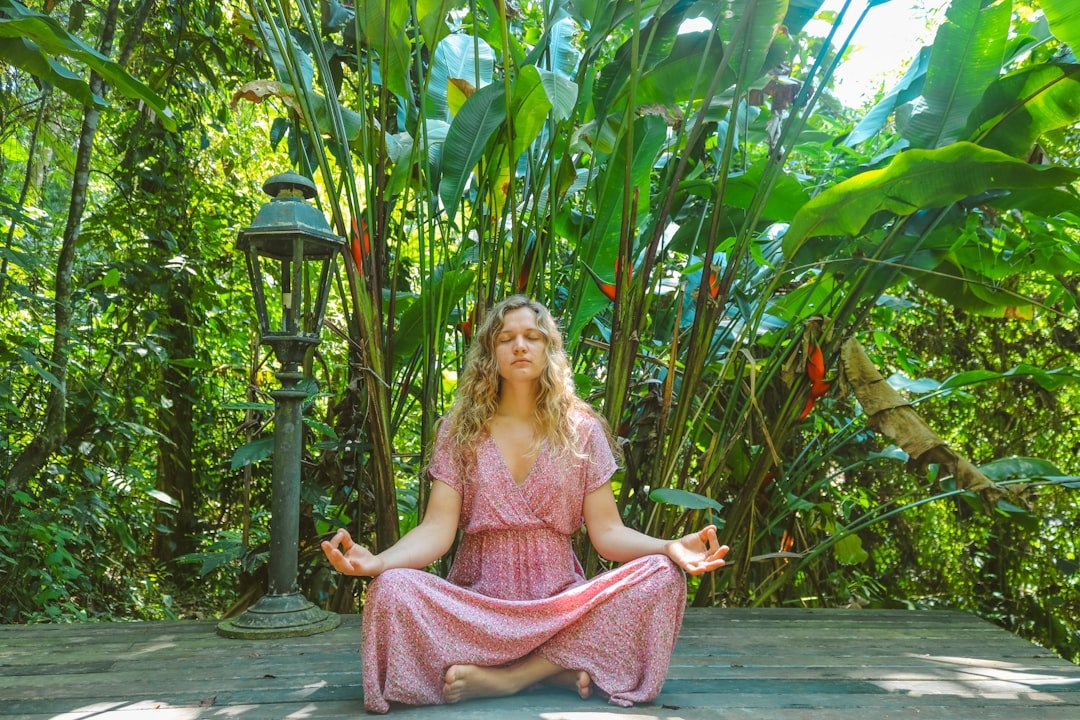
You need relief now, not next month. Guided breathing for relaxation is the fastest, most direct way to shift your nervous system from fight-or-flight into rest-and-digest mode. Most people don’t realize how much tension they’re holding until they actually pause and breathe intentionally. This post shows you exactly how guided breathing for relaxation works, why it matters for your emotional wellness, and the simple practice for tension you can do between meetings or before bed.
Why Guided Breathing for Relaxation Works Faster Than You Think
Your breath is the one thing your nervous system controls automatically and manually. You can’t directly command your heart to slow down or your cortisol to drop. But you can breathe. When you practice guided breathing for relaxation with intention, you’re sending a direct signal to your vagus nerve that everything is safe. Your body listens. I’ve been doing this for years, and the shift is always physical first, then emotional. You feel your shoulders drop. Your jaw unclenches. Your racing thoughts finally quiet.
What makes guided breathing different from random deep breathing?
Structure. Rhythm. Permission to pause. Guided breathing for relaxation gives your mind something to follow so it stops spinning. You’re not thinking about what’s broken or what you forgot to do. You’re counting. You’re following audio cues. You’re present.
| Breathing Method | Best For | Time Needed | Difficulty Level |
|---|---|---|---|
| 4-7-8 Breathing | Panic, racing heart, bedtime | 3-5 minutes | Beginner |
| Box Breathing | Midday stress, focus, simple practice for tension | 2-3 minutes | Beginner |
| Alternate Nostril | Balancing energy, clarity, grounding | 5-10 minutes | Intermediate |
| Extended Exhale | Anxiety relief, nervous system reset | 4-6 minutes | Beginner |
| Resonance Breathing | Heart rate variability, deep calm | 10-20 minutes | Intermediate |
The Simple Practice for Tension That Starts Working Immediately
You’d think complex breathing patterns work better—they usually don’t. The best simple practice for tension is the one you’ll actually do. I’ve seen so many women start with complicated four-part breathwork, quit by day three, then feel guilty. Stop. Box breathing is where most people should start. It takes two minutes. It works everywhere: your office, your car, your kitchen, your bedroom.
How to Do Box Breathing Right Now
- Sit or lie down where you won’t be interrupted for five minutes.
- Exhale completely. Get all the old air out first.
- Inhale slowly through your nose for a count of four.
- Hold your breath for a count of four.
- Exhale through your mouth for a count of four.
- Hold empty for a count of four.
- Repeat this cycle five to ten times until your body feels heavier, slower, calmer.
This is where most people give up: they don’t hold the pauses. The holds matter. That moment of pause is where your nervous system actually registers the shift. Don’t skip it.
How to Build Guided Breathing for Relaxation Into Your Actual Routine
A practice you don’t use is just information. Let’s make this real and sustainable. Guided breathing for relaxation works best when it becomes automatic, not something you have to remember or motivate yourself to do.
The Checklist: Start Here Today
- Choose one trigger moment: before bed, during your morning coffee, right after lunch, or when you first feel tension rising
- Set a phone reminder with the word “Breathe” so you see it at the same time each day
- Try box breathing for three days before switching methods to find what sticks
- Notice what happens: better sleep, less shoulder tension, fewer racing thoughts, calmer responses to stress
- Add a second breathing session only after the first one feels automatic
- Stop doing guided breathing for relaxation at times when you’re already calm—save it for when you need it
Five Days to Noticeable Calm: Your Simple Practice for Tension
This isn’t a vague “do this sometime” section. Here’s exactly what to do each day, why, and what to expect.
Day One: Get Comfortable
Practice box breathing once for two minutes. Just once. You’re learning the pattern, not forcing transformation. Most people feel a slight shift right away. Some feel nothing yet. Both are fine.
Day Two: Add Awareness
Do box breathing again, but this time notice: where is tension in your body before? Where is it after? This isn’t meditation. You’re just paying attention. Your nervous system starts learning the pattern.
Day Three: Find Your Time
Do your breathing session at a specific time tomorrow. Same time. Same place if possible. Your body loves rhythm. Guided breathing for relaxation combined with rhythm becomes powerful.
Day Four: Go Guided
Try a guided version using an app or recorded audio. Let someone else’s voice carry you. Many women find guided breathing for relaxation easier to follow than counting alone. Your mind doesn’t wander as much.
Day Five: Notice Real Changes
By day five, your body should feel different. Sleep might be deeper. Reactions to frustrating moments slower. Your simple practice for tension has momentum now. Keep going.
My Picks for This
- Calm offers hundreds of guided breathing for relaxation sessions including sleep stories, with both free and subscription options for different comfort levels.
- Insight Timer provides a massive library of free guided breathing for relaxation and meditation led by teachers worldwide, making it perfect for exploring before committing.
- The Five Minute Journal helps you track your emotional state before and after guided breathing for relaxation, connecting breathwork to your daily mindset.
- Breathwrk specializes in breathwork techniques and offers guided sessions specifically designed for tension release and nervous system regulation.
- Papier Wellness Journal gives you space to write how guided breathing for relaxation affects your mood, sleep, and stress levels over time.
Frequently Asked Questions (FAQ)
Q1. How long before I feel results from guided breathing for relaxation?
Most people feel a shift in their first session: slower heart rate, dropped shoulders, calmer mind. Real habit-level changes take three to four weeks when you do it consistently. Expecting instant personality transformation sets you up for disappointment. Expecting a few minutes of genuine calm? That’s realistic and happens immediately.
Q2. Can I do guided breathing for relaxation if I have anxiety or panic disorder?
Breathing techniques help many people with anxiety, but some people with certain anxiety conditions find intense focus on breathing makes symptoms worse initially. Work with a therapist or healthcare provider who knows your history. They can guide which simple practice for tension is safest for you.
Q3. Is there a free way to learn guided breathing for relaxation, or do I need an app subscription?
Free options exist and work well: many apps offer free versions with ads, YouTube has hundreds of guided breathing sessions for free, and you can practice box breathing without any app at all. Try free resources for two weeks before paying. Most women find what they need without spending money.
Q4. What if I forget to do my breathing practice or miss days?
Don’t restart from zero or feel guilt. Just come back. The best practice for tension is the one you actually do, not the perfect streak. Missing a day doesn’t erase progress. Start again the next day at your normal time. Consistency matters more than perfection.
Q5. Can I do guided breathing for relaxation while doing other things, or does it need my full attention?
Box breathing and simple practice for tension need your attention for best results. Trying to breathe deliberately while working or scrolling splits your focus and reduces effectiveness. Give yourself even five uninterrupted minutes. That’s when your nervous system actually shifts.
Q6. How often should I practice guided breathing for relaxation?
Once daily is the minimum to build real benefit. Twice is better if stress is high. Some women do it whenever they feel tension rising, which might be three times one day and once the next. There’s no maximum. Your body tells you when it needs the reset.
This post is intended for informational purposes only and does not constitute medical or mental health advice. Always consult a qualified professional for personal health concerns.