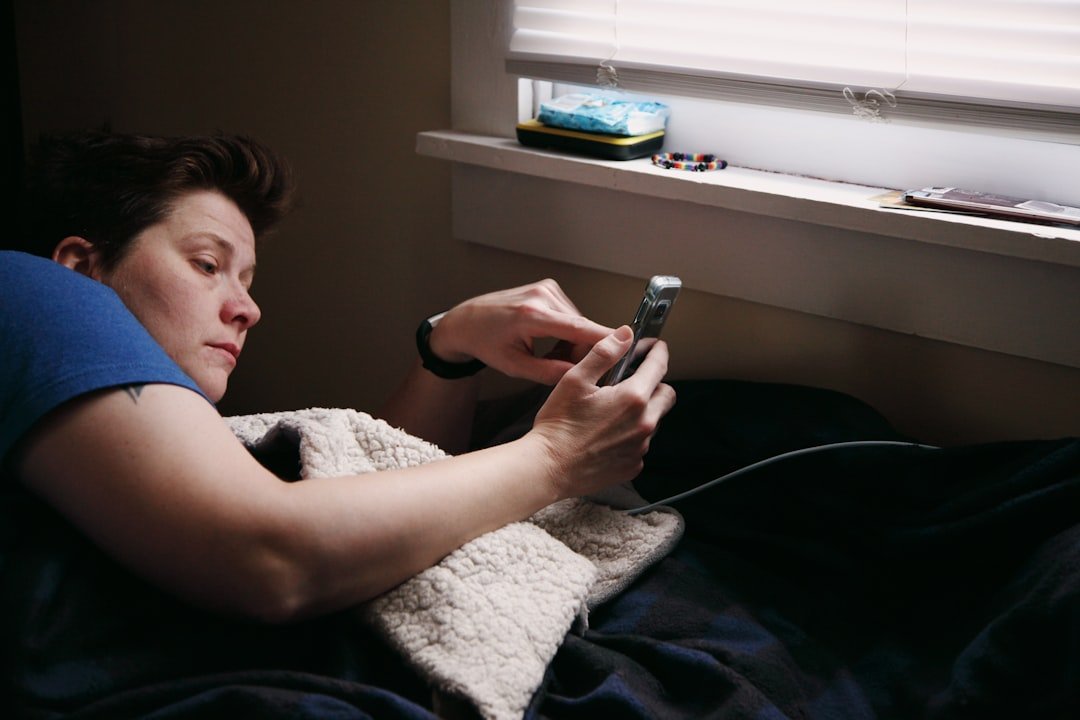
A common misconception is that doomscrolling before bed happens because you lack self-control. Usually, it is a cue-and-habit loop: you are tired, your phone is close, and scrolling offers instant distraction. Learning how to stop doomscrolling before bed is less about becoming perfectly disciplined and more about making the habit less automatic. When I was figuring out how to stop doomscrolling before bed, I found that one vague promise to use my phone less did very little. A few small changes to my evenings did much more.
Doomscrolling can look different depending on the night. Sometimes it is checking upsetting news. Sometimes it is reading comments, comparing your life to someone else’s, or jumping between videos long after you meant to sleep. The content matters, but the pattern matters more: you pick up the phone for a quick check and lose track of time or leave yourself feeling wound up.
Why nighttime phone habits are hard to change
Your brain likes familiar, low-effort choices when you are tired. A phone gives you novelty with almost no work. It is also where many practical parts of life live: messages, weather, alarms, family updates, and entertainment. Treating your phone like the enemy can make a new routine feel unrealistic.
It helps to identify what your scrolling is doing for you in that moment. Maybe you need a transition after work. Maybe silence feels uncomfortable. Maybe you are avoiding a thought that feels heavy. There is no need to judge the answer. You only need enough honesty to choose a replacement that fits the need.
For me, the worst nights were often the ones when I had pushed through the day without a pause. Scrolling became my delayed decompression time. A five-minute reset earlier in the evening made bedtime feel less like the only chance to switch off.
How to stop doomscrolling before bed with friction
Friction is any small obstacle that slows an automatic action. It does not need to be dramatic. The goal is to create a pause between the urge and the app.
Start by moving your charger away from the bed. Put it across the room, on a dresser, or outside the bedroom if that is practical in your home. If you use your phone as an alarm, a basic alarm clock can remove the strongest reason to keep it within reach. You do not have to ban your phone from the bedroom forever. Try a seven-night experiment and notice what changes.
Next, make the most tempting apps slightly less convenient. Sign out of one app that keeps you scrolling. Remove it from the home screen. Turn off nonessential notifications after a chosen evening time. You can also use your phone’s app limits or focus settings, though those work best when you choose a limit that feels believable. A limit you dismiss every night is not a failure. It is information that you need more environmental support.
Give yourself a clear phone parking time instead of waiting until you feel sleepy enough to stop. Pick a point tied to something you already do, such as after brushing your teeth or after setting out clothes for tomorrow. The wording can be simple: phone parks after I wash my face. A specific cue is easier to follow than a broad intention.
If putting the phone away feels too abrupt, use a step-down approach. Set a timer for ten minutes of intentional phone use. When it ends, put the phone on charge and move to an offline activity. The timer is not there to police you. It gives the session an ending, which endless feeds are designed to avoid.
Build a replacement that feels easy at night
Removing a habit leaves an empty space. If you only take away scrolling, your mind may reach for it again because nothing else is ready. Choose one or two low-effort activities that you can do when tired.
- Read a few pages of a book that does not feel demanding.
- Listen to familiar music, a calm podcast episode, or an audiobook with the screen faced down.
- Write a short brain-dump list of what is on your mind and one task for tomorrow.
- Do a gentle stretch or sit with a warm drink that does not contain caffeine.
- Use a paper puzzle, coloring page, or simple craft for a few minutes.
The best replacement is personal. Reading works well for some people and makes others more alert. Journaling can feel grounding, while another person may find it brings up too much at night. Keep the routine light. You are trying to make the next choice easier, not create a perfect evening ritual with ten steps.
I like to keep a book and notebook where my phone used to sit. That visual swap matters. When my hands reach toward the bedside table out of habit, there is already something else to pick up.
Make room for the real reason you want to scroll
Sometimes the urge to scroll is really an urge for reassurance, company, or escape. A phone cannot always meet that need well, especially when the feed leaves you tense. Try naming the feeling before you unlock the screen: I feel lonely, I feel restless, or I do not want tomorrow to start yet. Naming it will not erase it, but it can make the next step more intentional.
If you want connection, send a thoughtful message earlier in the evening rather than searching a feed at midnight. If you need an emotional release, write two uncensored sentences in a notebook. If you are restless, get out of bed briefly and do something quiet under low light. These choices may sound ordinary. That is part of why they can work. They ask less of you than a major lifestyle overhaul.
Be especially careful with news and comment sections when you already feel activated. You can stay informed without giving yourself an unlimited stream of difficult material at bedtime. Consider choosing a daytime window for news, then saving articles for later instead of opening them in bed. If current events are genuinely distressing, talk with someone you trust or seek support from a qualified mental health professional.
Create a plan for difficult nights
You will probably have nights when you scroll longer than you intended. Travel, stress, illness, conflict, and a late work message can all disrupt a routine. The useful question is not why you ruined the habit. Ask what made the old pattern easy that night.
Create a small recovery rule in advance. Mine is simple: if I notice I am deep in a feed, I stop at the next natural break, put the phone on charge, and do not punish myself by trying to force sleep. I switch to a quiet offline activity for a few minutes. That keeps one difficult night from becoming proof that the routine does not work.
Avoid tracking success only by whether you never doomscroll. Look for smaller signs: you noticed the urge sooner, you put the phone down once, or you shortened a 45-minute scroll to 15 minutes. These are real shifts in nighttime phone habits. Repetition makes the new sequence more familiar.
Set up your evening in five minutes
Try this simple setup tonight. Choose a phone parking spot that is not your bed. Select one offline activity and place it there now. Set an evening focus mode or silence notifications you do not need. Then decide the cue that begins your wind-down, such as changing into pajamas.
Keep the plan modest for the first week. You do not need an ideal bedtime or a flawless digital detox. You need a routine that still feels possible after a draining day. Once that feels normal, you can adjust your phone parking time or add another calming habit.
Frequently asked questions
What if I need my phone for an alarm?
A separate alarm clock is the simplest option if you can get one. If you prefer to keep using your phone, place it far enough away that you must stand up to turn it off. Set the alarm before your phone parking time so you do not need to pick it up again in bed.
Should I delete social media to stop doomscrolling?
Deleting an app can help if it is your main trigger, but it is not required. Start with a temporary removal, logging out, or taking it off your home screen. The point is to make your choice deliberate. If you reinstall it, that does not mean you have failed. It may mean you need a different boundary around timing or notifications.
What if I scroll because I cannot fall asleep?
Try separating wakefulness from phone use. Keep a quiet, screen-free option nearby, such as a book or notebook, so you have something to do without reopening a feed. If sleep problems are frequent, persistent, or affecting daily life, a qualified healthcare or mental health professional can help you sort through possible causes and support options.
How long does it take to change nighttime phone habits?
There is no fixed timeline. Some people notice a difference quickly once the phone is out of reach, while others need to test several approaches. Focus on making one change repeatable for a week before adding more. Consistency usually matters more than making your routine strict.
Related posts
This article is for general informational purposes only and does not constitute medical or mental health advice. Self-care and mindfulness practices affect everyone differently — always consult a qualified professional for anxiety, sleep, mood, or any ongoing mental health concern.
Disclosure: This post may contain affiliate links. If you click through and make a purchase, we may earn a commission at no extra cost to you. We only recommend products we’ve researched or genuinely believe in.