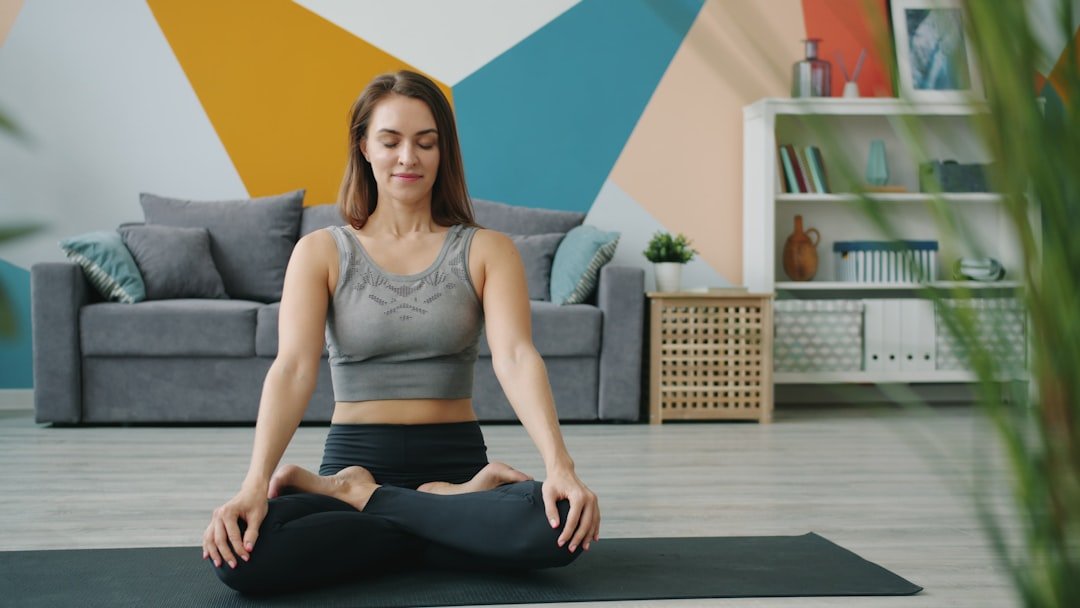
You can start meditating today. Not tomorrow, not when you find the perfect app or the quietest room—right now, with five minutes and nothing else. A 5 minute meditation for beginners transforms how you handle stress, sleep, and emotional overwhelm without requiring you to sit in silence for an hour or achieve some mystical mental state. Most women I’ve worked with expected meditation to feel boring or impossible on their first try. Instead, they discovered that a simple easy guided practice at home actually works, and it works fast enough to fit into real life.
Why 5 Minute Meditation for Beginners Changes Everything
Your nervous system needs consistent interruptions from stress, and a 5 minute meditation for beginners delivers exactly that. When you sit with your breath for just five minutes, your heart rate slows. Your shoulders drop. The mental loop of worry temporarily breaks. I’ve been doing this for years, and the shift happens almost immediately—sometimes by minute two.
What stops most women isn’t laziness.
They quit because they expect meditation to feel transcendent or completely blank their mind. You’d think clearing your thoughts is the whole point—it usually isn’t. A real 5 minute meditation for beginners is about noticing where your attention wanders and gently bringing it back. That’s the entire practice. Thoughts will come. You let them pass like clouds. This is what an easy guided practice at home actually teaches you, and it’s nothing like the silence-is-golden myth most of us absorbed.
| Meditation Type | Best For | Setup Time | Beginner-Friendly |
|---|---|---|---|
| Breath-focused practice | Instant calm, anytime | None | Yes |
| Body scan meditation | Releasing tension, noticing sensations | 2 minutes | Yes |
| Guided visualization | Sleep, emotional reset | 3 minutes | Yes |
| Loving-kindness practice | Self-compassion, releasing resentment without requiring you to feel grateful immediately | 2 minutes | Yes |
Your First Easy Guided Practice at Home: The 5-Minute Framework
Starting a 5 minute meditation for beginners means having a simple structure so you don’t spend mental energy deciding what to do. This framework works whether you’re at your kitchen table before work or in your car during lunch.
- Find a chair or cushion where your back can be supported, feet flat on the floor or crossed.
- Set a timer for exactly five minutes so your mind doesn’t keep checking the clock.
- Close your eyes or soften your gaze downward, whatever feels natural.
- Breathe in through your nose for a count of four, hold for four, exhale through your mouth for four.
- When your mind wanders—and it will—notice without judgment and return to counting your breath.
- Let the timer mark the end; open your eyes slowly and notice how your body feels different.
That’s it. You’ve completed a legitimate easy guided practice at home that activates your parasympathetic nervous system. I’ve been doing this for years and I still follow these exact steps on mornings when my mind feels chaotic. Your 5 minute meditation for beginners doesn’t need to be longer or more complicated to be effective.
Building a Meditation Habit That Actually Sticks
Most people quit by day three because they treat meditation like a chore instead of a privilege. Here’s where most people give up: they sit down expecting to feel peaceful immediately, and when their mind spins with grocery lists instead, they assume they’re doing it wrong and stop trying.
Anchor your 5 minute meditation for beginners to something you already do. Right after your coffee. Before you check email. During your lunch break at exactly the same time. Habit stacking works because you’re not relying on motivation; you’re relying on routine. I’ve seen so many women succeed with meditation when they stopped waiting for the perfect moment and just picked a moment and kept showing up.
- Sit in the same physical location each time you practice your easy guided practice at home.
- Meditate before your brain has time to create reasons not to.
- Use your phone alarm as your cue—the sound itself becomes the invitation.
- Track your practice with a simple checkbox in your phone notes or calendar.
- Celebrate after seven consecutive days; notice the shift in how you respond to frustration or anxiety.
- Forgive yourself completely if you miss a day and restart the next morning without guilt or resentment.
What Happens During Your 5 Minute Meditation for Beginners
Your breathing will shift from shallow chest breathing to deeper belly breathing. Your mind will produce thoughts. Lots of them. Sometimes your leg will itch. You might hear a dog barking outside. All of this is normal. None of it means you’re failing at your easy guided practice at home.
What actually matters is that you notice these distractions and come back to your breath anyway. This is the skill that transfers to real life. When you practice bringing your attention back to your breath a thousand times in five minutes, you’re literally training your nervous system to pause before reacting to stress. When your boss sends a frustrating email, your newly trained nervous system will remember this feeling of refocused attention and give you a half-second of space to choose your response instead of just reacting.
My Picks for This
- Insight Timer: Thousands of free guided meditations including beginner-specific sessions that teach you the basics before moving into longer practices.
- Calm: Structured courses that take you from zero meditation experience through a full foundational program with animations that show you proper posture.
- Headspace: Created by a monk specifically for Western beginners, with a progression system that builds your meditation practice step by step over weeks.
- The Five Minute Journal: A physical journal that pairs beautifully with morning meditation to anchor your practice and track emotional shifts alongside your meditation habit.
- Papier notebook: A beautiful journal where you can write reflections after your easy guided practice at home, deepening the emotional work meditation starts.
Frequently Asked Questions (FAQ)
Q1. Will a 5 minute meditation for beginners actually make a difference?
Yes. Research across multiple institutions shows that even five minutes of consistent breathing practice lowers cortisol and activates your rest-and-digest nervous system response. The key is consistency over duration. A 5 minute meditation for beginners done daily outperforms sporadic longer sessions.
Q2. What if my mind doesn’t stop racing during my easy guided practice at home?
That’s success, not failure. Your mind is supposed to produce thoughts. The practice is noticing them and returning to your breath. If you bring your attention back fifty times in five minutes, you’ve completed fifty mini-exercises in attention and self-awareness. That’s the actual work.
Q3. Do I need to buy an app or is a 5 minute meditation for beginners free?
Many excellent free options exist, including free tiers of Insight Timer and YouTube channels dedicated to guided meditation. If you enjoy structure and tracking, paid apps range from approximately five to fifteen dollars per month depending on features. Start free and upgrade only if the app genuinely supports your practice.
Q4. How long before I notice changes from a 5 minute meditation for beginners?
Most people report feeling calmer immediately after their first session. Deeper emotional changes—better sleep, less reactive anger, more patience—typically emerge after two to three weeks of daily practice. Stick through the first week even if you don’t feel dramatically different yet.
Q5. Can I do my easy guided practice at home at any time of day?
Yes. Morning meditation sets your nervous system for the day. Midday practice resets you after stress. Evening meditation improves sleep quality. Choose whichever time you’ll actually do it consistently. A 5 minute meditation for beginners at two p.m. every day beats an ideal time you never actually sit down for.
Q6. What if I fall asleep during my 5 minute meditation for beginners?
Falling asleep during meditation usually means your nervous system needed rest more than it needed practice. Your body is healing itself. Once you’re more rested, sit somewhere less comfortable or meditate earlier in the day when you’re more alert. An easy guided practice at home works better when you’re awake enough to notice what’s happening.
Related posts
This post is intended for informational purposes only and does not constitute medical or mental health advice. Always consult a qualified professional for personal health concerns.