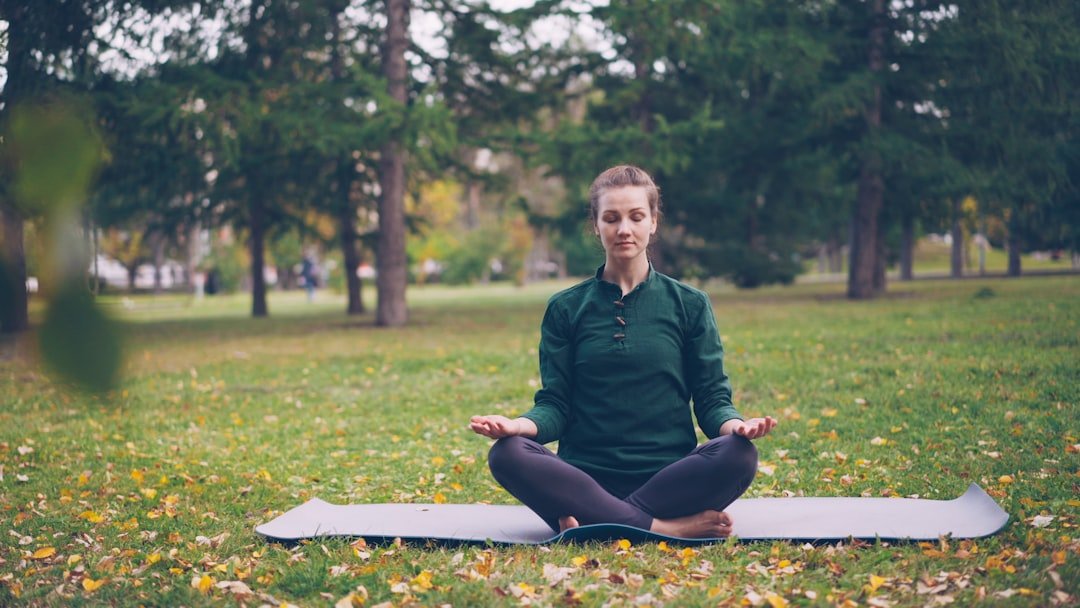
You can shift your entire nervous system in under five minutes using mindful breathing for beginners. Stop looking for complicated meditation practices. This post gives you five real techniques that actually work, starting today. Mindful breathing for beginners isn’t mystical or hard—it’s a skill you build like any other.
Why Mindful Breathing for Beginners Changes Everything
Your breath is the only automatic system you can control consciously. When stress hits, your breathing becomes shallow and quick. Your body then stays in fight-or-flight mode longer than it needs to. Mindful breathing for beginners works because you interrupt that cycle intentionally. I’ve been doing this for years, and the shift happens fast. Within one week of consistent practice, most women notice their shoulders dropping, their jaw unclenching, and their racing thoughts finally quieting down.
Here’s the truth nobody tells you: you don’t need an app, a subscription, or perfect conditions.
| Technique | Duration | Best For | Difficulty |
|---|---|---|---|
| 4-7-8 Breathing | 2-3 minutes | Falling asleep, anxiety spikes | Easy |
| Simple Practice with a Steady Rhythm (Box Breathing) | 5 minutes | Mid-day grounding, focus | Very Easy |
| Alternate Nostril Breathing | 3-5 minutes | Mental clarity, energy balance | Moderate |
| Extended Exhale Breathing | 3 minutes | Stress relief, calming racing thoughts | Easy |
| Natural Rhythm Breathing | 10 minutes | Evening wind-down, deeper meditation | Easy |
The Five Techniques You Can Use Today
1. Box Breathing: Your Simple Practice with a Steady Rhythm
This is the technique I recommend first for mindful breathing for beginners. It’s called box breathing because you count to four on each side of the cycle. Inhale for four counts, hold for four counts, exhale for four counts, hold for four counts. Then repeat. That simple practice with a steady rhythm trains your nervous system to calm down on command. Most people feel the difference after just three rounds.
2. The 4-7-8 Technique: For Deep Sleep and Instant Calm
Inhale through your nose for four counts. Hold the breath for seven counts. Exhale through your mouth for eight counts. The long exhale activates your parasympathetic nervous system—the brake pedal your body needs. I’ve seen so many women use this one technique alone to finally sleep through the night after months of insomnia. Do this three to four times before bed.
3. Alternate Nostril Breathing: Balance Your Energy
Close your right nostril and inhale slowly through your left. Close your left nostril and exhale through your right. Inhale through your right nostril. Close your right and exhale through your left. That’s one round. Do ten rounds. This balances the left and right hemispheres of your brain and works especially well if you feel scattered or overwhelmed.
4. Extended Exhale: The Stress Eraser
Breathe in for a count of four through your nose. Breathe out for a count of six or eight through your mouth. The longer exhale signals safety to your nervous system. Use this when anxiety spikes or your thoughts spiral. Most people quit journaling and meditation attempts within days. They abandon breathing practices too. But this one is too simple to fail.
5. Natural Rhythm Breathing: Meditation Without Pressure
Sit comfortably. Close your eyes. Notice your breath without changing it. No counting, no rules. Just observe. When your mind wanders, gently return your attention to the sensation of air moving in and out. Ten minutes feels long at first. By week two, women tell me they crave this time.
Your Beginner’s Checklist: Starting a Mindful Breathing Practice Today
- Choose one technique from the five above and commit to three days before switching
- Pick a specific time each day: morning coffee, lunch break, or bedtime
- Set a phone reminder so you don’t forget
- Sit somewhere quiet where you won’t be interrupted for five minutes
- Notice how you feel before and after—write it down if you journal
- Stop trying to breathe perfectly and just start breathing differently
- If your mind wanders constantly, that’s normal; gently redirect it back
How to Build Mindful Breathing for Beginners Into Your Daily Routine
- Condition: You’re stressed, scattered, or can’t sleep. Your nervous system is stuck in overdrive.
- Audience: Women aged 25–45 who’ve tried meditation apps but found them overwhelming or intimidating.
- Method: Start with five minutes of mindful breathing for beginners using one of the five techniques above. This becomes your reset button.
- Steps: Pick one technique. Do it at the same time every day for one week. Notice what shifts in your sleep, mood, or energy. After one week, add a second session if you want. By week three, you’re building a real habit. This is the part that actually matters: consistency, not perfection. Here’s where most people give up: around day four when the novelty wears off. Push through. Your nervous system needs repetition to truly rewire.
- Warnings: If you feel lightheaded or dizzy, stop and breathe normally. Never force your breathing. If you have a respiratory condition, talk to your doctor before starting. Some people feel emotional during breathing work—that’s your body releasing stored tension, and it’s okay.
My Picks for This
- Insight Timer has thousands of free guided breathing meditations, including beginner-focused sessions specifically designed for mindful breathing for beginners.
- The Five Minute Journal helps you track how breathing practices affect your mood and sleep quality, building evidence of your own progress.
- Calm offers structured breathing exercises with visual animations that guide your rhythm through a simple practice with a steady rhythm.
- Papier journals give you physical space to write before and after your breathing sessions, turning practice into reflection.
- Headspace includes dedicated beginner courses on breathwork with gentle, encouraging guidance from real teachers.
Frequently Asked Questions (FAQ)
Q1. How long before I notice changes from mindful breathing for beginners?
Most women feel calmer after the first session. Real, lasting changes in sleep quality and daytime anxiety take one to three weeks of consistent daily practice. Your nervous system needs repetition to truly shift.
Q2. Can I do mindful breathing for beginners if I have anxiety or panic disorder?
Yes, but start slowly and talk to your therapist first. Some breathing techniques can intensify anxiety initially. Extended exhale and natural rhythm breathing tend to feel safer for anxious bodies than faster-paced techniques.
Q3. What if I can’t stay focused or my mind won’t stop racing?
That’s the entire point of the practice. Your mind will wander—everyone’s does. When you notice it wandered, gently bring your attention back to your breath. That redirection is the actual work. You’re training your attention, not achieving perfect silence.
Q4. How many times a day should I practice mindful breathing for beginners?
Start with one session daily, five minutes. Once that feels natural, add a second session during your highest-stress time of day. Most women find one morning session and one evening session ideal, but even one session daily creates measurable change.
Q5. Do I need paid apps or can I use free resources?
Free resources are absolutely enough. Insight Timer, YouTube, and this guide give you everything you need to start. Paid apps offer more structure and variety, which helps some women stay consistent. Neither is required—just practice matters.
Q6. What if I feel emotional or want to cry during breathing practice?
Your body holds stress and emotion physically. Breathing deeply can release that tension, and tears are part of the process. Let yourself feel it. You’re not doing something wrong—you’re finally letting your nervous system process what it’s been holding.
Related posts
This post is intended for informational purposes only and does not constitute medical or mental health advice. Always consult a qualified professional for personal health concerns.