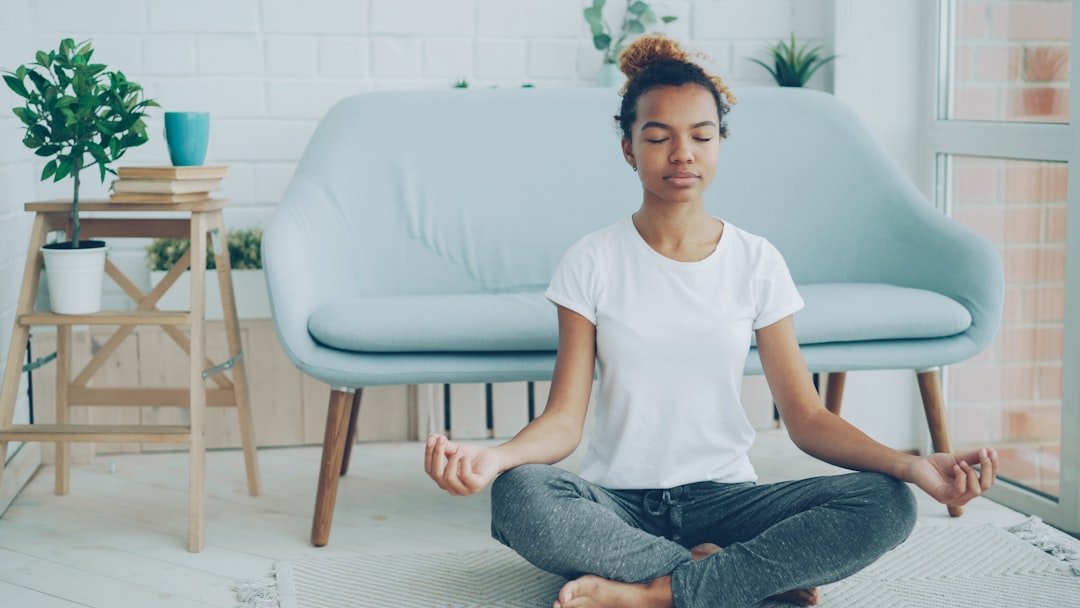
You can start meditation for beginners at home today, right now, without any special equipment or prior experience. The truth is this: most people think meditation requires silence, perfect posture, and an empty mind. None of that is true. Meditation for beginners at home is simply about showing up for yourself for a few minutes each day.
Why Meditation for Beginners at Home Matters Right Now
I’ve been doing this for years, and I can tell you the women who stick with meditation for beginners at home are the ones who stop waiting for the perfect moment. Your life won’t suddenly feel less busy. Your stress won’t magically disappear on its own. What changes is your response to it. When you give yourself permission to pause, to breathe, to sit with your own thoughts without judgment, everything shifts. Your nervous system calms down. Your clarity returns. You remember who you are underneath all the noise.
Most people don’t realize that consistency beats perfection every single time.
| Approach | Best For | Time Needed | Common Challenge |
|---|---|---|---|
| Guided meditation app | Complete beginners who need structure | 5–10 minutes | Choosing which app to start with |
| Breathing exercises alone | Women who travel or have zero privacy | 2–3 minutes | Feels too simple at first |
| Seated silent meditation | Experienced practitioners progressing deeper | 10–20 minutes | Racing thoughts, restlessness |
| Body scan meditation | Those carrying tension, stress, or anxiety | 7–15 minutes | Falling asleep halfway through |
The Real Barriers Stopping You From Starting
You’d think the biggest obstacle is finding time — it usually isn’t. The real blocker is thinking you’re doing it wrong. Your mind will wander. You’ll feel restless. You’ll wonder if anything is happening. That’s not failure. That’s exactly what meditation for beginners at home looks like. I’ve seen so many women quit after day three because they expect their thoughts to disappear completely. Meditation isn’t about emptying your mind. It’s about noticing your thoughts and letting them pass without grabbing onto them. There’s a massive difference.
How to Start Meditation for Beginners at Home: Your 5-Step Guide
Here’s the exact process I recommend for building an easy daily practice with no experience whatsoever.
- Choose your spot: Pick one corner of your home where you feel safe and slightly comfortable—your bed, a chair by the window, even the bathroom floor works. You don’t need incense or cushions. Just a place you can return to every single day.
- Set a realistic timer: Start with just 3–5 minutes. This is the part that actually matters for beginners. Five minutes feels impossible until you do it twice. Then it becomes automatic. Skip the 20-minute sessions for now.
- Sit upright (but not rigid): Your spine should be straight enough that energy flows, but not so stiff you’re holding tension in your shoulders. Let your hands rest on your thighs or lap. Close your eyes gently or soften your gaze downward.
- Focus on your breath: Breathe naturally. Don’t force anything. Count each exhale if that helps—one, two, three, up to ten, then restart. When your mind wanders, which it will, simply notice and return to counting. That’s the whole practice.
- End without judgment: When your timer goes off, sit for three more seconds before moving. Notice how you feel. Don’t rate the session as good or bad. You showed up. That’s everything.
This is the part where most people give up: they expect to feel different immediately. You might feel calmer after one week. Some women take two weeks. A few don’t notice anything for a month and then suddenly realize they’re handling stress differently. Stick anyway.
Building an Easy Daily Practice: Your Checklist
- Pick the exact same time each day—morning is easiest because your mind is still quiet
- Sit in the same spot every session to build a habit anchor
- Use your phone timer so you’re not watching the clock
- Don’t meditate right after eating a heavy meal or when you’re extremely hungry
- Skip the pressure to feel anything specific during the session itself
- Keep a one-line note in your phone each time you finish—just the date and a word (calm, restless, clear)
- Set a phone reminder for the first two weeks until meditation for beginners at home becomes automatic
- Resist the urge to add guided meditations until you’ve mastered silent breath-focus for at least one week
My Picks for This
- Insight Timer: Free guided meditations ranging from one minute to an hour, perfect for when you want structure but aren’t ready to pay for an app.
- Headspace: Built specifically for beginners with a course called “Basics” that walks you through the first ten sessions step-by-step, removing all guesswork.
- Calm: Offers daily meditations plus sleep stories, breathing exercises, and music—a complete wellness app if you want to grow beyond basic meditation for beginners at home.
- Papier journal: Use this or any lined notebook to track your meditation practice and how you feel after each session, creating accountability without the tech overwhelm.
- A simple meditation cushion or folded blanket: Not required, but if your back bothers you when sitting, having proper support means you’ll actually show up consistently instead of avoiding the discomfort.
Frequently Asked Questions (FAQ)
Q1. How long does it take before I notice real changes from meditation for beginners at home?
Most people report subtle shifts within two to three weeks—better sleep, less reactive responses to stress, slightly clearer thinking. Deeper changes (emotional resilience, anxiety reduction, shifted perspective) typically emerge after six to eight weeks of consistent practice. Everyone’s timeline differs. The key is consistency over duration.
Q2. Can I do meditation for beginners at home if I have racing thoughts all the time?
Yes, absolutely. Racing thoughts are not a sign you’re bad at meditation. Your job isn’t to stop thinking—it’s to notice the thoughts and gently return to your breath without judgment. This practice actually trains your brain to redirect attention, which helps with racing thoughts over time.
Q3. Do I need to pay for an app, or can I learn meditation for beginners at home for free?
Free options exist and work well. Insight Timer offers thousands of free guided meditations. YouTube has countless free sessions. Paid apps like Headspace and Calm add structure and progression, which some beginners find helpful. Start free. Upgrade only if you find you’re consistent and want more features.
Q4. What should I do if I fall asleep during meditation for beginners at home?
Falling asleep occasionally is normal, especially if you’re sleep-deprived. If it happens constantly, try meditating at a different time of day, meditating sitting upright rather than lying down, or reducing the length of your session. Your body may be telling you it needs rest—listen to that too.
Q5. Is an easy daily practice with no experience realistic, or am I setting myself up to fail?
It’s completely realistic. Starting small is actually the secret to sustainability. Most people fail because they commit to 20 minutes daily and quit after a week. Three to five minutes every single day builds a foundation that lasts. You’re not setting yourself up to fail—you’re setting yourself up to succeed by being honest about what you can maintain.
Q6. Can I do meditation for beginners at home lying in bed, or does it have to be sitting?
You can lie down, but sitting upright is recommended for true beginners because your body stays more alert and you’re less likely to fall asleep. Once you’re comfortable with the basics of meditation for beginners at home, lying down works fine. Honor what your body needs.
Related posts
This post is intended for informational purposes only and does not constitute medical or mental health advice. Always consult a qualified professional for personal health concerns.