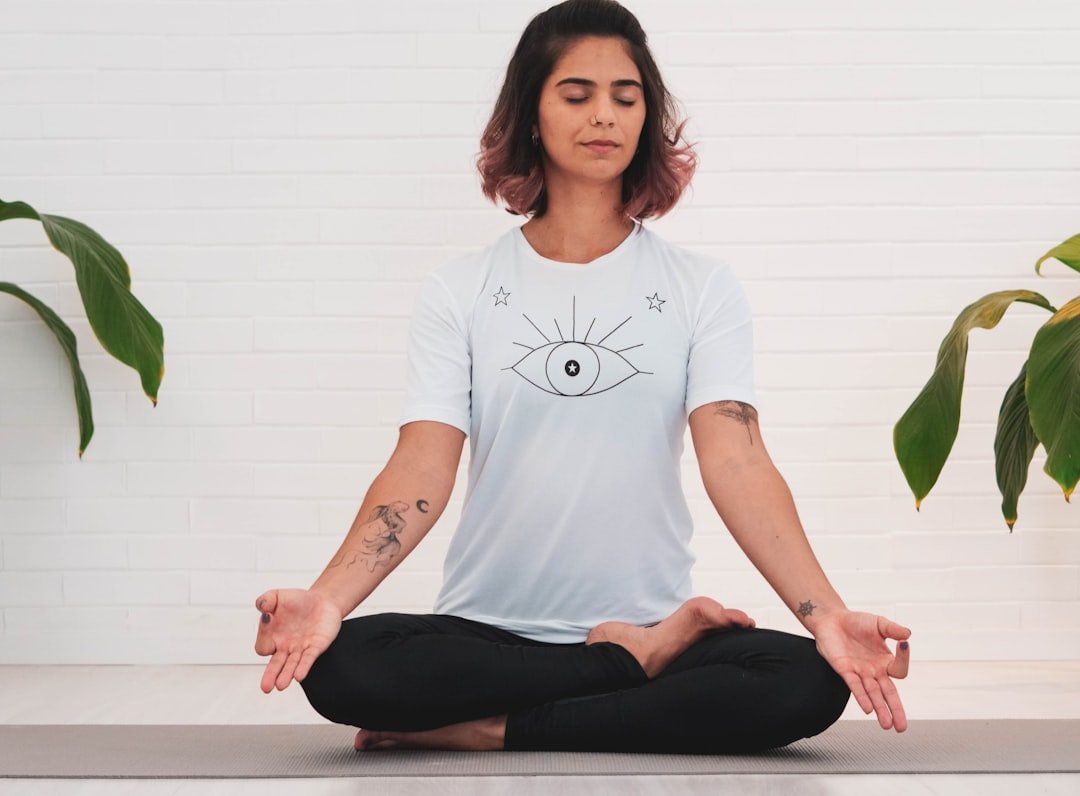
A common misconception is that learning how to meditate without falling asleep means forcing yourself to sit stiffly and fight fatigue. It does not. When you are working out how to meditate without falling asleep, the goal is gentle alertness, not tension, and persistent drowsiness is often useful information about your sleep, schedule, or chosen practice. Start small.
I used to treat nodding off as proof that I lacked discipline. That approach made meditation feel like another test to pass. A better adjustment is to make the conditions a little more wakeful, then choose an anchor that gives your mind enough to do without becoming stressful.
Start with your basic setup
Meditating on a bed, under a blanket, in a dark room is basically an invitation to nap. There is nothing wrong with a nap. But if your aim is an awake practice, sit somewhere that your brain does not strongly connect with sleep, such as a chair, a firm cushion, or the edge of a sofa with both feet on the floor.
You do not need a perfectly straight spine or an elaborate cushion. Let your pelvis feel supported, lengthen through the back of your neck, and rest your hands where they will not slide as you relax; this creates enough structure that your body can settle without fully collapsing.
Try opening the curtains or turning on a lamp 10 to 15 minutes before you meditate, rather than beginning in a dark room. A cool or neutral room can also be easier to stay awake in than a warm, dim space. If the weather is comfortable, opening a window for a few minutes beforehand can make the space feel more distinct from your sleep routine.
Choose a time when sleep is less likely
Many people try meditation at bedtime because it is the only quiet part of the day. That can be a lovely wind-down habit, but sleepiness is a predictable result if you are already tired. Pick a different slot for your alert practice. Even five minutes after breakfast or during an afternoon pause may feel very different.
Pay attention to patterns for a week instead of judging one session. If you repeatedly drift off at 10 p.m., that may simply be your body asking for rest rather than a flaw in your meditation ability.
If you wake before your alarm and feel foggy, do not demand a long seated practice immediately. Wash your face, drink some water, or move around for a few minutes first. Those small transitions can help your body register that the day has started.
Use a more active meditation anchor
A very quiet breath meditation can feel spacious, and it can also feel soporific when you are depleted. Give your attention a light task, such as counting each exhale from one to ten and beginning again when you lose track.
You can also label a few experiences silently: “in” and “out” with the breath, or “hearing” when a sound becomes noticeable. Keep the labels simple. The point is not to narrate every moment, but to give the mind a clear place to return when it starts to blur.
Try meditating with your eyes partly open, with a soft gaze resting on a blank section of wall or floor. This can feel surprisingly helpful if closing your eyes sends you straight toward sleep, and it does not make the practice less legitimate.
- Count breaths when your attention feels hazy.
- Use a guided practice with a calm but clear voice.
- Try walking meditation when seated practice feels impossible.
- Notice physical contact points, such as feet on the floor.
Walking meditation is especially useful on sleepy days. Walk slowly in a safe, familiar space and place attention on the lifting, moving, and placing of each foot, returning to those sensations whenever your thoughts wander. Keep your pace natural rather than making each step unusually slow.
Adjust your breathing without forcing it
Slow breathing can be soothing, but deliberately making every breath very long may make you feel more drowsy. Instead, notice the breath at its natural pace for a minute. If you want a little more alertness, sit taller and pay closer attention to the beginning of each inhale.
A few deeper breaths before you begin are fine if they feel good. Avoid turning them into a strain. Dizziness, discomfort, or a sense of panic are signs to return to normal breathing and pause the practice if needed.
Troubleshooting tips for sudden sleepiness
If your head drops or you realize you have lost several minutes, do not scold yourself. Gently open your eyes, straighten your posture, and name what happened: “sleepy.” That moment of recognition is still awareness, so simply begin again.
It can help to set a shorter timer than you think you need. A focused six-minute session often feels more sustainable than twenty minutes spent repeatedly waking yourself up. Build consistency first.
Try this simple reset when sleepiness hits in the middle of practice:
- Open your eyes and look at one neutral point in the room.
- Take one natural, slightly fuller breath.
- Press both feet into the floor for a few seconds.
- Continue for another minute, then decide whether to stop.
There is no prize for pushing through a session when you are truly exhausted. Sometimes the most caring choice is to end the practice, make a note of the pattern, and prioritize rest later if you can.
Separate meditation practice from sleep problems
Falling asleep occasionally during meditation is common, particularly during a demanding week or after a poor night of sleep. Frequent unwanted sleep episodes, severe fatigue, or sleepiness that affects work, driving, or daily safety deserves attention beyond meditation troubleshooting. Please speak with a qualified healthcare professional.
You also do not need to abandon meditation because sitting quietly makes you sleepy. Experiment with a morning chair practice, eyes-open meditation, or mindful walking for two weeks, then notice which version leaves you feeling most present. Personal preference matters.
FAQ
Is it bad to fall asleep while meditating?
No. It usually means you were tired or the practice conditions were very relaxing. If you fall asleep often, consider whether the session is functioning as a useful transition into sleep rather than an alert meditation practice. You can keep that bedtime habit and schedule a separate daytime session for meditation.
Should I meditate with my eyes open?
You can. A soft, lowered gaze is a practical option when closed eyes make you drowsy, and many meditation traditions include eyes-open practice. Aim your gaze about a meter or two ahead, blink normally, and avoid fixing your attention on detailed movement such as a screen or passing traffic.
Why do I get sleepy as soon as I meditate?
Stillness may reveal tiredness that busyness was covering up, or your body may associate your usual location and time with sleep. It may also mean the method is too passive for your current energy level. Notice whether it happens after a heavy meal, during a predictable afternoon slump, or only in one particular room; those details can reveal a more specific trigger.
Can I meditate lying down without falling asleep?
You can, although it is harder for many people. Keep your eyes open, place your arms in a position that is not identical to your sleeping posture, and choose a short guided body-awareness practice. Some people find that bending their knees with their feet on the floor creates a little more wakefulness than lying fully flat.
How long should I meditate when I feel tired?
Try three to seven minutes of an active practice such as breath counting or mindful walking. Set a timer with a gentle chime, and after it ends, stand up and briefly notice whether you feel clearer or sleepier. That check-in can help you decide whether a longer session is actually useful that day.
The most useful fix is usually practical: change your position, your timing, or the type of attention you use. Treat each sleepy session as feedback instead of failure, and give yourself permission to rest when rest is what your body is asking for. That is self-care.
This article is for general informational purposes only and does not constitute medical or mental health advice. Self-care and mindfulness practices affect everyone differently — always consult a qualified professional for anxiety, sleep, mood, or any ongoing mental health concern.
Disclosure: This post may contain affiliate links. If you click through and make a purchase, we may earn a commission at no extra cost to you. We only recommend products we’ve researched or genuinely believe in.