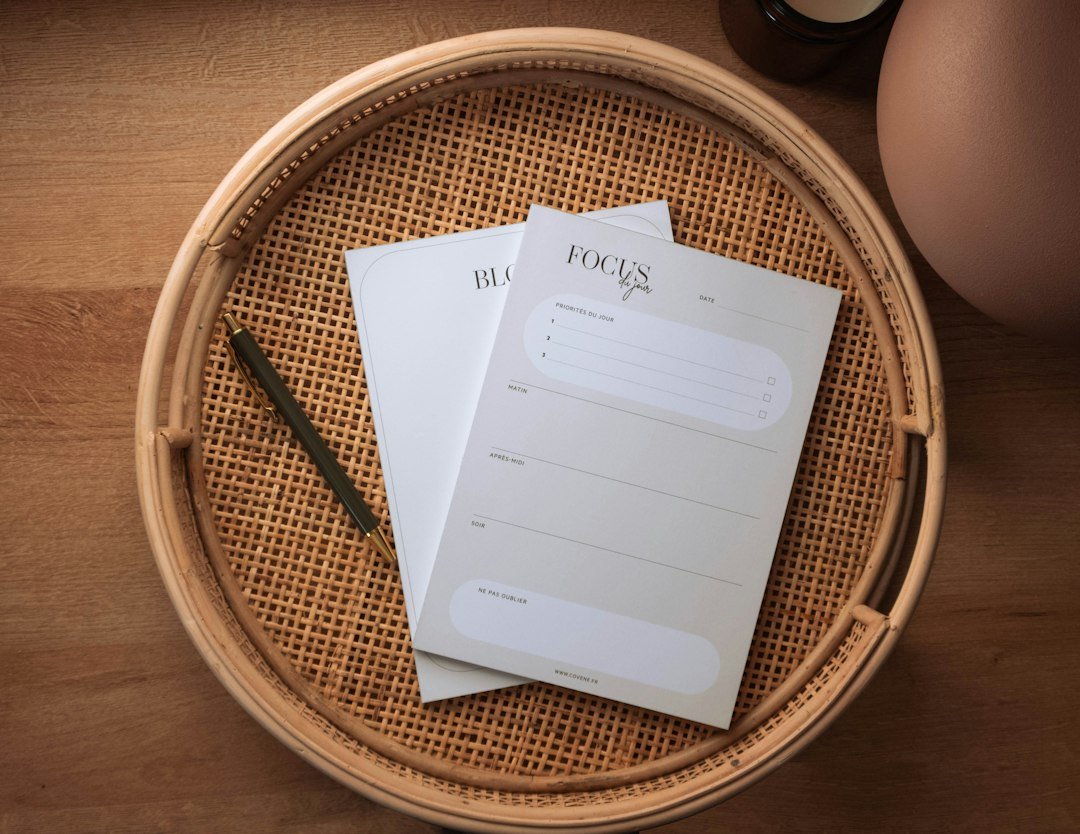
Start by putting one habit tracker on paper where you will see it every day. Start today. The simplest answer to how to track habits without using an app is to choose a tiny, specific action, then mark it immediately on a visible paper calendar, notebook page, or index card. This method works best when the tracker is easy to reach, the habit has a clear definition, and you review the page once a week instead of relying on memory.
Paper removes a surprising amount of friction. Keep it visible. You do not need to unlock a phone, ignore notifications, or wonder whether your tracking tool is buried in a folder you have not opened for weeks. For me, a pen-and-paper system also feels less like another task to optimize and more like a quiet record of what my days actually held.
The goal is awareness, not a perfect streak. Missed days happen. A useful tracker gives you enough information to notice patterns, such as whether you read more often when your book sits beside the kettle or whether evening walks disappear when your shoes are in a cupboard. That is information you can use, without turning a normal off day into a reason to quit.
How to track habits without using an app
Begin with one habit for the next two weeks. Start small. Pick an action that takes less than five minutes or has an obvious finish line, such as drinking a glass of water with breakfast, writing three lines in a journal, or stretching for five minutes after work. “Exercise more” is too vague for a tracker because you may not know whether a ten-minute walk counts.
Write the habit as a sentence with a cue and a minimum action. Be precise. For example, write: “After I put my coffee mug in the sink, I will do five squats.” The cue anchors the action to something already happening, while the minimum makes it easier to follow through when your energy is low. You can always do more, but your paper mark should represent the minimum you decided on beforehand.
Choose one place for the tracker. Use one sheet. A weekly page on the fridge works for kitchen habits, while a small notebook by the bed may suit reading, gratitude notes, or a brief wind-down routine. If the habit happens outside the house, keep an index card in your wallet or bag, then transfer the mark to your main sheet when you return home.
Mark completion right after the habit whenever possible. Make it obvious. A simple check mark, filled square, or colored dot is enough, and you do not need a decorative journal spread for the method to work. The point is to make the action visible before the day gets busy and your recollection becomes fuzzy.
- Pick one habit. Define the smallest version you are willing to do on an ordinary day.
- Choose a cue. Attach it to an existing event, such as brushing your teeth or closing your laptop.
- Make a 14-day grid. Draw fourteen small boxes and label each box with a date.
- Keep a pen beside it. Reduce the number of steps between doing the habit and recording it.
- Review after seven days. Look for what made the habit easier or harder, then adjust one practical detail.
Do not start with ten habits. One is enough. When I have tried to overhaul a whole routine at once, the tracking page became a visual list of things I had not done, which made me avoid opening it. A smaller page gives you a fairer test of whether the habit and cue actually fit your life.
Analog methods that fit different routines
Your best analog method depends on where the habit happens and how much detail you want. Choose the plainest option you will use. A wall calendar is excellent for seeing consistency at a glance, while a notebook can hold a little context about your mood, schedule, or obstacles. Index cards work well when you want something portable and temporary.
| Method | Best for | How to use it | Watch for |
|---|---|---|---|
| Wall calendar | Daily habits at home | Put one symbol on each completed day | It may fade into the background if hung too high or out of sight |
| Notebook grid | Several related habits | Make dates into columns and habits into rows | Too many rows can feel discouraging |
| Index card | One focused habit or travel | Draw a two-week row of boxes and carry it with you | It is easy to misplace without a consistent home |
| Jar and tokens | Hands-on visual motivation | Move one bead, coin, or paper slip after completion | You still need a way to note dates if timing matters |
A monthly calendar is the lowest-effort choice for a single daily action. Keep it simple. Put an X on days you completed your habit, leave the box blank when you did not, and avoid inventing special symbols that make you stop to decode your own system. If you want to track two habits, use two colors only if the calendar remains readable.
A notebook grid gives you more flexibility. Draw dates across the top and place each habit down the left side, then use a check mark for completion. Add a tiny note only when it explains something useful, such as “late meeting,” “away,” or “headache.” Long daily reflections can be meaningful, but they are a separate journaling practice and may make habit tracking harder to maintain.
For habits with a weekly target, count units rather than forcing a daily streak. This helps. If your goal is three strength sessions a week, draw three circles for each week and fill one after each session; if your goal is to call family once a week, use one box rather than seven empty daily boxes. Match the tracker to the real commitment.
Make the tracker useful after a missed day
A blank square is a data point, not a character judgment. Leave it blank. Filling in a mark later because you feel guilty can make the tracker less trustworthy, and an honest record is more useful than an impressive-looking one. If you genuinely forgot to mark a completed action, add it later only when you are reasonably sure it happened.
Use a simple restart rule before you need it. Mine is “never skip the next opportunity,” which means I do the smallest version of the habit at its next natural cue after a missed day. This is personal preference, not a universal rule, but it prevents one busy evening from quietly becoming a month away from the routine.
At the end of each week, spend five minutes reviewing the page. Keep it brief. Ask yourself what happened before the days you completed the habit, what got in the way on blank days, and whether the minimum action still feels realistic. Then change one variable, such as moving the notebook, shortening the habit, or choosing a more reliable cue.
For example, imagine you tracked a ten-minute evening walk for fourteen days and completed it on six days. That is useful. If four completed walks happened after dinner and most missed walks happened after late work calls, try changing the plan to “walk for five minutes after dinner on weekdays” and make weekends optional. You are designing a routine around your actual life, not grading yourself.
Keep paper tracking sustainable
Make the system boring enough to repeat. Fancy is optional. A ruled notebook, a pen that writes reliably, and a page you can find in seconds are usually more helpful than supplies that make you feel you need the perfect setup before you begin. If you enjoy stickers or color, use them, but do not make them a requirement for showing up.
Consider tracking the process rather than an outcome you cannot fully control. For instance, mark “in bed by 10:30 p.m.” rather than “slept well,” or mark “five minutes of breathing practice” rather than “felt calm.” Your actions are clearer to record, while sleep, stress, and mood can shift for many reasons beyond a single routine.
Give yourself permission to retire a tracker. It is okay. Once a behavior feels steady, you might stop marking it daily and use your paper space for a newer habit. If the habit slips later, return to a two-week card instead of treating that return as failure. Many routines need support again during travel, illness, caregiving, seasonal changes, or a demanding work period.
Frequently asked questions
How many habits should I track on paper at once?
Start with one or two. More than that can work later, but a small number makes it easier to see which cues and conditions support you. Add another habit only after your current tracker feels quick to update for at least two weeks.
Should I use a streak tracker?
You can, if it motivates you. A streak is simple. Still, I prefer viewing the whole month because it shows consistency without making one blank square feel like the end of the effort. A monthly view also helps you spot patterns around weekends, travel, or recurring work demands.
What if I forget to mark the habit?
Mark it later if you clearly remember doing it. Keep it honest. If you are unsure, leave the space blank and focus on placing the tracker closer to the cue next time. Forgetting to record often means the tracking step needs to be easier, not that you lack discipline.
Can analog methods work for habits that happen several times a day?
Yes, use tally marks or small circles. For example, if you want to take three brief screen breaks, draw three empty circles beside each date and fill one after each break. Set a realistic daily maximum, because detailed tracking can become tiresome when every small action needs a mark.
When should I change my habit tracker?
Change it when you avoid using it for a full week or when the page no longer answers a useful question. That is a clear signal. Try a smaller format, fewer habits, or a different location before assuming the habit itself is impossible to keep.
Related posts
This article is for general informational purposes only and does not constitute medical or mental health advice. Self-care and mindfulness practices affect everyone differently — always consult a qualified professional for anxiety, sleep, mood, or any ongoing mental health concern.
Disclosure: This post may contain affiliate links. If you click through and make a purchase, we may earn a commission at no extra cost to you. We only recommend products we’ve researched or genuinely believe in.