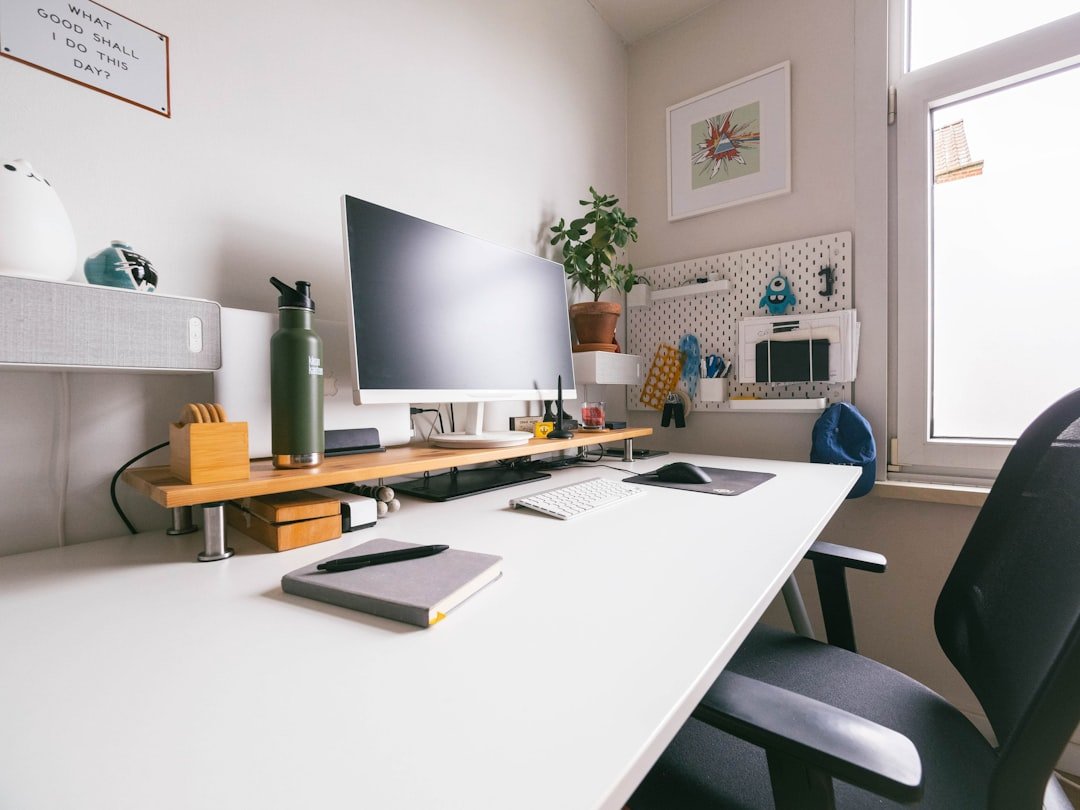
Your calendar has a 10-minute gap, your inbox is still full, and you are tempted to spend the whole break scrolling. This is a realistic moment to learn how to meditate at work during a break. You do not need silence, special clothing, or a perfectly empty mind. Start small. How to meditate at work during a break comes down to briefly stepping out of task mode, placing attention on something steady such as your breath or feet, then returning to work without judging whether the break felt “good enough.”
For busy professionals, the most useful practice is usually the one you can repeat on an ordinary Tuesday, even when meetings run long and your workspace is less private than you would like. Keep it simple. A two-minute pause done consistently can feel more workable than saving meditation for a long session that never finds a place in your day.
How to meditate at work during a break without making it complicated
Pick a break length before you begin. Two, five, or ten minutes all work as a general wellness habit, and using a timer prevents you from checking the clock every few breaths. Settle in. You can sit upright in your chair with both feet on the floor, stand by a window, or walk slowly in a less busy area if that feels more comfortable.
Choose one anchor for your attention. The breath is common because it is already there, but it is not the only option. You might notice the pressure of your shoes on the floor, the temperature of your hands around a mug, or the sounds that come and go in the room. One anchor is enough. The goal is not to force away thoughts; it is to notice that your attention wandered and gently bring it back.
- Silence or dim your notifications and set a timer for two to five minutes.
- Place your feet flat, let your shoulders drop if they are tense, and rest your hands somewhere easy.
- Take one unhurried breath, without trying to make it unusually deep.
- Notice the next few breaths, or quietly count each exhale from one to five and begin again.
- When a thought about work appears, label it “thinking” or “planning,” then return to the next exhale.
- When the timer ends, look around, stretch your fingers, and choose one next work action before opening your inbox.
This sequence is deliberately plain. Thoughts will show up. A project deadline, an awkward conversation, and your grocery list may all arrive within the same minute, especially if your day has been fast. That does not mean you failed. Returning your attention is the practice.
Match the practice to the break you actually have
A short break does not need to copy a longer meditation session. Time matters. A one-minute practice is best treated as a pause between tasks, while a ten-minute break gives you room to settle, sit quietly, and reorient before you return.
| Break available | Simple practice | When it may fit |
|---|---|---|
| 1 minute | Feel both feet on the floor and count five slow exhales. | Between calls or before opening a difficult email. |
| 3 minutes | Follow the breath and label wandering thoughts once or twice. | At your desk with headphones off or on. |
| 5 minutes | Do a seated body check, noticing jaw, shoulders, hands, and breath. | Midmorning or after an intense meeting. |
| 10 minutes | Take a quiet walk and attend to footsteps, sounds, and breathing. | Lunch or a longer gap in your schedule. |
Use the shortest version on packed days. That counts. If you have five minutes, a useful worked plan is 30 seconds to settle, three minutes with your anchor, 60 seconds to notice the room again, and 30 seconds to write down your next task. The small transition at the end can make it easier to restart without immediately bouncing between tabs.
Choose a private-enough place
You do not have to close your eyes. In many workplaces, softly lowering your gaze toward your desk is less conspicuous and may feel safer than closing your eyes. Stay aware. If you share an open office, consider a quiet corner, an unused meeting space when permitted, your parked car if it is safe and appropriate, or a brief walk outdoors.
Privacy is personal preference, not a requirement. Some people feel more at ease with neutral background sound, while others prefer earplugs or noise-cancelling headphones without audio. Keep workplace rules in mind. If you use headphones, make sure you can still respond to any safety needs in your environment.
A bathroom stall is often the only available private space, but it may not feel restful or hygienic for a longer pause. Choose the least stressful option. Even sitting at your desk and looking at one fixed point for 90 seconds can be a valid reset when there is nowhere else to go.
Try breath meditation without forcing your breathing
Many people hear “breath meditation” and immediately start trying to breathe perfectly. You can let that go. Normal breathing is fine. Start by noticing where you feel it most clearly: air at the nostrils, movement in the chest, or the rise and fall of the abdomen.
If counting helps, count one on the first exhale, two on the next, until five, then return to one. Keep the count light. When you lose your place, simply begin again at one, rather than working out which number you “should” be on. This removes one tiny decision from an already busy day.
Some people find breath attention uncomfortable, particularly during periods of stress or physical discomfort. Use another anchor. Feeling your feet in your shoes, noticing the surface beneath you, or listening for nearby sounds can offer a steadier focus without asking you to monitor your breathing closely.
Use a desk-friendly body check
A body check is useful when your mind feels too noisy for breath counting. It gives attention a clear path. You are not trying to relax every muscle on command; you are simply noticing what is already present without adding a long internal critique.
- Feel the contact between your feet and the floor for three breaths.
- Notice your hands, including warmth, coolness, or contact with the desk.
- Check your jaw and shoulders, then allow them to soften only if that feels natural.
- Notice one full breath.
- Open your focus to the room before moving on.
This can take less than two minutes. Keep your eyes open if needed. A body check may be especially practical after sitting through a long video call, when you notice you have been holding your shoulders up or clenching your jaw without realizing it.
Make meditation easier to repeat at work
Attach the practice to a cue that already happens in your day. Good cues are concrete. For example, meditate for two minutes after you refill your water, before lunch, or after you close the notes from your first meeting. A vague intention such as “when I have time” is harder to act on when your day becomes crowded.
Reduce the setup. Put a timer shortcut on your phone, keep a small note with your chosen steps in a private notebook, or create a calendar block labelled “break” rather than “meditation” if that feels more natural in your workplace culture. Make it easy. You are building a repeatable pause, not adding another performance metric.
It also helps to decide in advance what a completed practice looks like. For a busy professional, completion might mean two minutes with a timer and one return to the breath after distraction. That is enough. Avoid grading the break by whether you felt calm, focused, or productive afterward, since internal states change from day to day.
What to do when work thoughts keep interrupting
Work thoughts are predictable during a work break. They are not a problem to solve while you meditate. When you notice one, name its category quietly: “email,” “meeting,” “deadline,” or simply “thinking.” Then return to your chosen anchor.
If the thought is genuinely urgent, write a five-word reminder before you begin. Try “send draft after break” or “ask Sam about timeline.” Keep it brief. This gives your mind a place to put the task without turning the entire break into planning time.
Sometimes the mind will keep racing anyway. In that case, switch to a walking practice or an eyes-open grounding exercise. Name five ordinary things you can see, then feel your feet make contact with the floor for several steps. This is a general attention exercise, not a test of your ability to be still.
Know when to pause the practice
Meditation is optional. If sitting quietly makes you feel more unsettled, panicky, detached, or overwhelmed, stop the exercise and return to a familiar activity such as drinking water, walking in a populated area, or speaking with someone you trust. Choose steadiness.
For recurring anxiety, low mood, sleep problems, trauma-related reactions, or any mental health concern that affects daily life, a qualified healthcare or mental health professional can offer support that goes beyond general wellness routines. A work-break meditation can be one small habit. It is not a substitute for individualized care.
Frequently asked questions
How long should I meditate during a work break?
Two to five minutes is a practical starting point for many busy professionals. Start there. If it fits comfortably into your schedule, you can use a longer lunch break for ten minutes, but there is no need to increase the time just because a longer session sounds more impressive.
Can I meditate at my desk?
Yes, if your desk feels reasonably comfortable and you can take a brief pause without missing an essential responsibility. Keep your eyes open. Sit with both feet supported, set a short timer, and use your breath, hands, or feet as your attention anchor.
What if coworkers interrupt me?
Interruptions happen. You can simply respond and continue later, or choose a location with fewer passersby next time. A two-minute practice does not need perfect conditions. Treat the interruption as part of a normal workday rather than evidence that the routine is impossible.
Do I need an app or guided audio?
No. A basic timer is enough. Guided audio can be helpful if you prefer a voice to follow, but check whether using headphones is appropriate for your workplace and whether you need to remain aware of colleagues, customers, or safety signals.
What is the easiest meditation for a stressful meeting day?
Try five counted exhales before and after the meeting. Keep it brief. Feel your feet, exhale naturally while counting from one to five, then begin again if you have another minute. This is easy to remember even when your schedule changes unexpectedly.
The most sustainable way to meditate at work is usually modest: pick a real break, use one simple anchor, and end by choosing your next action. That is plenty. You may prefer breath counting one week and a walking pause the next, so let the routine stay flexible enough to fit the workday you actually have.
Related posts
This article is for general informational purposes only and does not constitute medical or mental health advice. Self-care and mindfulness practices affect everyone differently — always consult a qualified professional for anxiety, sleep, mood, or any ongoing mental health concern.
Disclosure: This post may contain affiliate links. If you click through and make a purchase, we may earn a commission at no extra cost to you. We only recommend products we’ve researched or genuinely believe in.