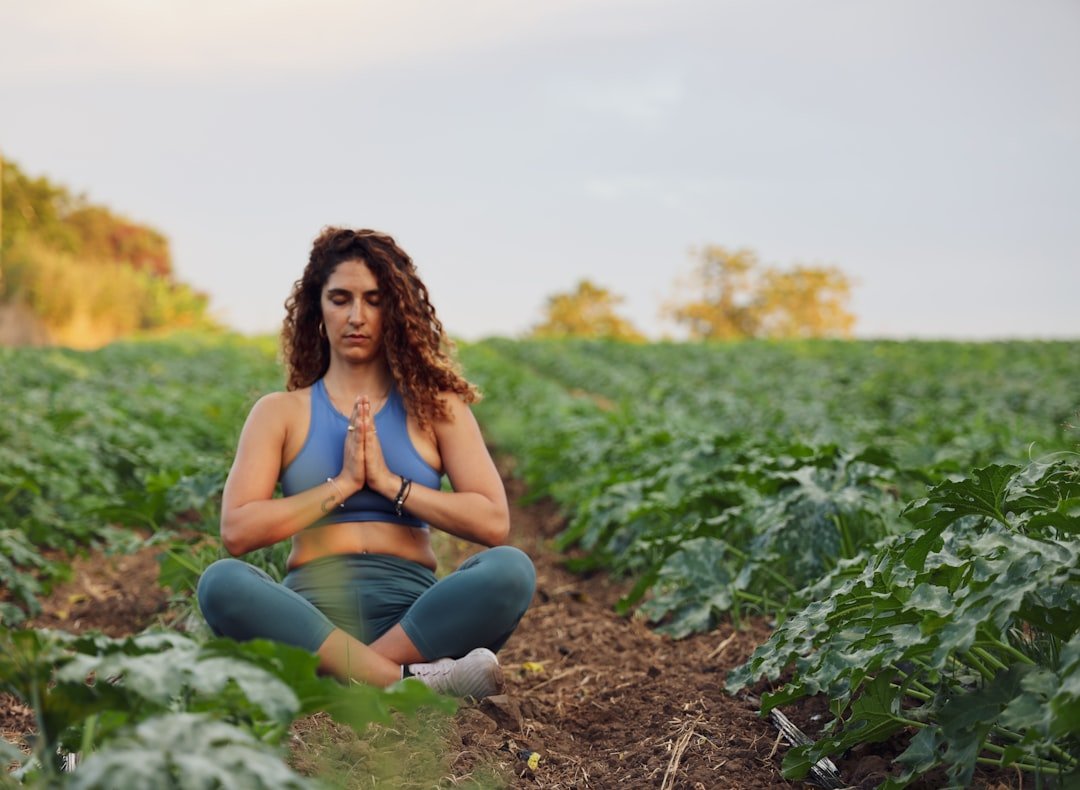
A common misconception is that silent meditation is more “real” than guided meditation, so it must be better for anxiety. That is not how most beginners experience it. For guided meditation vs silent meditation which is better for anxiety, guided meditation is my clear recommendation for the most common case: someone whose mind feels busy, tense, or hard to settle when they sit down alone. Start there. A calm voice, a simple instruction, and a defined ending can make the practice feel less like another thing you have to get right.
Silent meditation has real value, but it asks you to supply the structure yourself. That can be freeing. It can also leave a worried mind with too much empty space, especially on a difficult day when thoughts are already racing. In my own routine, I use guided sessions when I feel mentally scattered and choose silence when I want to notice what is present without following someone else’s pace. Neither is a test.
Guided meditation vs silent meditation which is better for anxiety
For most people beginning a mindfulness habit, guided meditation is the better choice for anxiety-related stress. It gives you an anchor before your thoughts pull you into planning, replaying conversations, or scanning for what might go wrong. That matters. A teacher may invite you to feel your feet on the floor, count a few breaths, or name sounds in the room, which can make the next few minutes feel more manageable than being told simply to clear your mind.
Guided practice is especially useful if silence makes you feel restless, unsure, or overly focused on physical sensations. A lot of people assume they are failing when their mind wanders during meditation. They are not. The instruction to return to the breath, body, or sound gives you a practical response instead of leaving you to judge every thought that appears.
I would choose a guided session first if you have tried sitting quietly and found yourself checking the clock, spiraling into a worry loop, or abandoning the practice after two minutes. Use support. A short recording can reduce the number of choices you need to make while you are already feeling depleted, and that lower mental load is often what makes a meditation habit repeatable.
Silent meditation wins under different conditions. It may suit you better once you can sit for several minutes without needing constant reassurance, when a guide’s voice feels distracting, or when you want a quiet space to observe your experience at your own speed. Silence is not the advanced version for everyone. It is simply a different format.
Why guidance often helps an anxious mind
Anxiety can make attention feel sticky. Your mind may latch onto a concern and keep revisiting it, even when you know the thought is not useful in that moment. A guided recording gives your attention a gentle task. You might follow a body scan, listen for sounds, or repeat a neutral phrase, and each prompt offers a place to return when your thoughts drift.
Structure helps. A five- or ten-minute recording also tells you when the practice begins and ends, which may feel safer than deciding for yourself how long to sit. That boundary can be surprisingly comforting. You do not need to wonder whether you are doing enough or whether you should keep going when the timer has already been set.
The voice itself can be helpful, although this is personal preference rather than a universal rule. Some people find a warm, unhurried voice grounding because it interrupts their internal commentary. Others dislike any narration. If a guide irritates you, speaks too slowly, uses language that feels overly sentimental, or asks you to imagine something that does not feel calming, choose another recording or switch to a simpler style.
Good guided meditations do not demand that you feel peaceful. That is useful. Look for recordings that invite you to notice rather than force relaxation, because trying desperately to calm down can become another pressure point when anxiety is already high. “Notice the breath” is often easier to work with than “make your mind empty.”
The pros and cons of guided meditation
The biggest benefit is accessibility. You can press play and follow along without designing a practice, remembering a technique, or wondering what comes next. For someone new to meditation, that is a meaningful advantage. It makes the first step smaller.
- Pro: Clear prompts redirect attention when you get caught in worry.
- Pro: A recording creates a beginning, middle, and end for the session.
- Pro: You can choose a specific focus, such as breath awareness, body relaxation, self-compassion, or a grounding exercise.
- Pro: Short recordings are easy to fit into a morning, commute break, or evening wind-down.
- Con: The guide’s pace or tone may feel wrong for you.
- Con: You may become dependent on a particular app, teacher, or background music before you feel able to sit alone.
- Con: Some recordings make broad claims about curing anxiety or transforming your life. Skip those.
That dependence concern is worth handling gently. Needing guidance at first does not mean you are doing meditation incorrectly. It means you are using a support. Still, I like to treat guided practice as training wheels that I can keep, remove, or use only on certain days, rather than as a rule that I must always have someone talking in my ears.
Try different lengths. A ten-minute recording may be enough, while a thirty-minute session can feel like too much when you are new or highly activated. There is no prize for staying longer. Consistency with a manageable length usually makes more sense than pushing through a practice you start to dread.
The pros and cons of silent meditation
Silent meditation is simple on paper. You sit, stand, walk, or lie down and bring attention to an anchor, often the breath, sounds, body sensations, or the feeling of your feet touching the ground. Then you return whenever your mind wanders. That is the whole practice.
- Pro: You choose your own pace and can stay with an experience longer if it feels useful.
- Pro: No voice, music, subscription, or device is required.
- Pro: It can build confidence in your ability to notice thoughts without immediately following them.
- Pro: A silent practice can travel easily. You can do it at a desk, in a parked car, or while walking.
- Con: Beginners may not know what to do after distraction appears.
- Con: Quiet can make rumination louder for some people, at least initially.
- Con: Unstructured sitting may feel frustrating if you expect quick relief.
The main challenge is that silence does not provide an external redirect. You have to notice the worry, recognize that you have wandered, and return to your chosen anchor on your own. That is a useful skill. It may also be too demanding when you are exhausted, panicky, or trying meditation for the first time after a hard day.
Silent meditation can also bring up emotions or memories you usually keep busy enough to avoid. This is not automatically bad, but it is a reason to proceed with care. Stop if the practice makes you feel significantly more distressed, disconnected, or overwhelmed, and consider speaking with a qualified mental health professional if that response keeps happening.
How to choose based on your day
You do not need one permanent answer. A practical approach is to choose based on your current capacity rather than your ideal self-care identity. Some mornings I have enough mental space for quiet sitting. On other days, especially when my thoughts are jumping ahead to every possible problem, I need a voice to bring me back.
Choose guided meditation when your thoughts are moving quickly, you are new to mindfulness, or you want a defined practice after a stressful moment. Keep it short. A five-minute grounding recording is often more realistic than committing to a long session that feels intimidating before you begin.
Choose silent meditation when you already know a simple anchor, feel relatively steady, and find instructions distracting. You might also choose it when you wake up before anyone else, sit outside, or have only two quiet minutes between tasks. Silence can fit naturally into ordinary life.
Here is a simple decision threshold: if you have spent more than a minute debating what to do or feel too unsettled to choose an anchor, use a guided recording. Let it be easy. If you can name an anchor immediately, such as “I will feel ten breaths,” try silence first.
A practical two-week experiment
Instead of deciding based on one session, compare both formats for two weeks. Keep the conditions modest. You are looking for useful information about your own response, not trying to prove that one method is superior in every situation.
- For the first seven days, use one guided meditation for five to ten minutes at roughly the same time each day.
- Before you begin, rate your tension or mental busyness from 0 to 10 in a notes app or on paper.
- Afterward, write one sentence about what happened, such as “My shoulders softened” or “I kept thinking about work, but returned three times.”
- For the next seven days, practice silently for the same length of time with one anchor: breath, sounds, or feet on the floor.
- Use the same quick rating and one-sentence note after each session.
- At the end, ask which format you were more willing to repeat and which left you feeling steadier in the next fifteen minutes.
That last question matters most. A session does not have to feel blissful to be worthwhile. If you were able to show up again tomorrow, noticed one moment of returning from distraction, and did not feel worse afterward, you have useful evidence.
Do not compare the sessions as if they are a competition. A guided practice may score better on a high-stress weekday, while silence may feel better on a quiet weekend morning. Your routine can include both. The recommendation remains guided meditation as your default starting point if anxiety makes unstructured quiet difficult.
What to look for in a guided recording
Choose a recording with plain language and a realistic promise. Short is good. A guide who says, “If thoughts come up, notice them and return,” is usually more helpful than one who insists you should feel calm by the end.
Try a body-based practice if thought-focused meditation feels too abstract. Feeling the contact between your back and chair, your hands in your lap, or your feet in socks can give your attention something concrete. Keep your eyes open if closing them makes you uncomfortable. That is allowed.
Background music is optional. Some people like soft sound because it masks household noise, while others find it distracting or emotionally loaded. Test it once. If you spend the whole session waiting for the music to change, choose a voice-only recording or silence instead.
Also watch the pacing. A guide who moves quickly may make you feel rushed, while a very slow guide can give anxious thoughts too much room to fill the pauses. There is no correct speed. The right one is the recording you can follow without straining.
When meditation is not the right tool in the moment
Meditation is a general wellness habit, not a substitute for care when anxiety is persistent, severe, or interfering with work, relationships, sleep, or daily tasks. You deserve support. A qualified mental health professional can help you assess what is going on and discuss options that fit your situation.
If sitting still makes you feel trapped, try a gentler grounding option first. Walk slowly while noticing five things you can see, hold a cool glass of water, or place both feet firmly on the floor and describe the room around you. Movement counts. You can return to seated meditation later, if and when it feels appropriate.
For the common beginner, choose guided meditation first and keep it brief. Once the habit feels familiar, add silent meditation in small doses, perhaps two minutes after a guided session or during a quiet part of your day. That gradual approach has felt more sustainable for me than forcing myself into silence before I was ready.
Related posts
This article is for general informational purposes only and does not constitute medical or mental health advice. Self-care and mindfulness practices affect everyone differently — always consult a qualified professional for anxiety, sleep, mood, or any ongoing mental health concern.
Disclosure: This post may contain affiliate links. If you click through and make a purchase, we may earn a commission at no extra cost to you. We only recommend products we’ve researched or genuinely believe in.