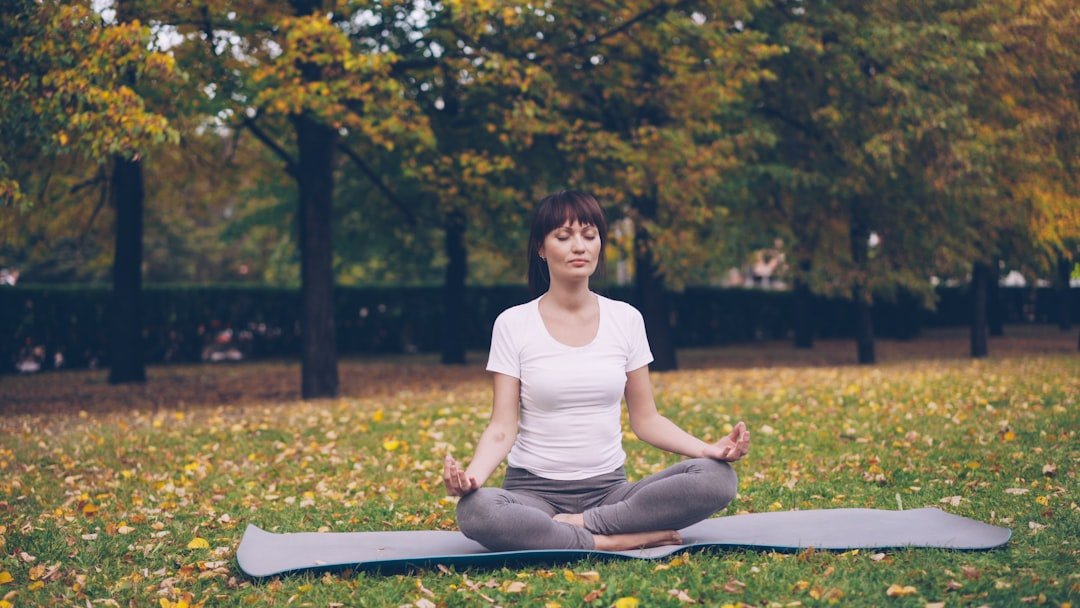
When your chest tightens and your mind races, breathing exercises for anxiety attacks aren’t just a wellness trend—they’re your nervous system’s reset button. The reason they work is simple: anxiety lives in your body before it lives in your head. Slow, intentional breathing signals safety to your brain and stops the panic spiral before it takes over. What follows are calming techniques to practice that real women have used to reclaim their mornings, their meetings, and their peace.
Why Breathing Exercises for Anxiety Attacks Actually Stop the Panic Spiral
Your nervous system has two modes: fight-or-flight and rest-and-digest. Anxiety keeps you locked in fight-or-flight. Shallow breathing, racing thoughts, and that suffocating feeling in your chest are all signs your body believes it’s under threat. Breathing exercises for anxiety attacks interrupt that signal. When you exhale longer than you inhale, your parasympathetic nervous system activates—the part that tells your body everything is safe. I’ve been doing this for years, and the shift happens in three to five breaths. Not three to five minutes. Three to five breaths.
You’d think complicated breathing patterns would work better than simple ones—they usually don’t.
| Technique Name | Breathing Pattern | Best For | Time Needed |
|---|---|---|---|
| Box Breathing | Inhale 4, hold 4, exhale 4, hold 4 | Acute panic, racing thoughts | 2–3 minutes |
| 4-7-8 Breath | Inhale 4, hold 7, exhale 8 | Anxiety building throughout the day | 5 minutes |
| Belly Breathing | Deep diaphragmatic inhale, slow exhale | Before meetings or stressful events | 1–2 minutes |
| Alternate Nostril | Right nostril inhale, left exhale, switch | Emotional overwhelm, racing mind | 3–5 minutes |
| Tactical Breathing | Inhale 4, hold 4, exhale 4 (repeat) | High-stress moments, grounding | 2–4 minutes |
The Step-by-Step Guide to Calming Techniques to Practice Today
Who This Works For
Any woman who’s felt her heart pound before a presentation, woken up with anxiety, or felt panic creeping in during an ordinary afternoon. Beginners and experienced meditators both benefit. You don’t need equipment, experience, or a quiet room.
Why These Methods Stick
Because they’re fast. Most people quit meditation because results take weeks. Breathing exercises for anxiety attacks deliver results in minutes. Your body relaxes. Your mind clears. You notice.
The Method: Three Layers of Calming Techniques to Practice
- Identify your trigger: Is it social situations, work stress, morning dread, or nighttime spirals? Name it specifically. This tells you which technique fits best.
- Choose your breathing pattern from the table above: Start with box breathing if this is your first time. It’s the easiest to remember under stress.
- Find your position: Standing, sitting, or lying down all work. Your body knows what to do once your breathing shifts the message.
- Begin with a natural exhale: Don’t force the pattern. Let your body empty first, then follow the count.
- Practice three times before panic strikes: Your nervous system learns faster through repetition when you’re calm. Do this at breakfast, midday, or before bed for three days straight.
- Use it in the moment when anxiety hits: Your body already knows the pattern. Your mind will follow automatically.
- Notice what shifts: Heart rate, jaw tension, shoulder position, mental clarity—track one change so you know it’s working.
Where Most People Give Up
They practice once and expect permanent relief. Breathing exercises for anxiety attacks work like a muscle—repetition builds strength. Three days of consistent practice changes everything.
Building Calming Techniques to Practice Into Your Non-Negotiable Routine
Most people don’t realize that anxiety management isn’t about crisis control—it’s about creating a baseline where anxiety has less room to grow. When you breathe intentionally every single day, your resting nervous system stays calmer. Everything feels less urgent.
Start small. Add one breathing ritual to a habit you already have: while your coffee brews, during your shower, or before you check your phone. I’ve seen so many women skip elaborate meditation routines but stick with a single three-minute breathing session because it connected to something they already did. Here’s what that looks like.
- Morning: Five box breaths before you leave your pillow. This sets your nervous system to calm from the start.
- Midday: Three minutes of belly breathing at your desk or in your car. Prevents anxiety from building through the afternoon.
- Evening: Alternate nostril breathing for five minutes before dinner. Signals rest to your body.
- As needed: Tactical breathing the moment you feel your chest tighten or your mind race. No waiting until panic is full-blown.
- Weekly: One longer session, ten to fifteen minutes, just to deepen the connection between your breath and your calm.
The Checklist: Start This Week
- Pick one breathing exercise for anxiety attacks from the table and practice it three times today while calm
- Set a phone reminder for tomorrow morning—just the word “breathe” at a time you’ll actually see it
- Notice one physical change after your first session: your shoulders, your jaw, your heartbeat, your thoughts
- Do the same breathing pattern for three consecutive days before switching techniques
- If panic hits before you feel ready, do box breathing for two minutes—that’s enough to interrupt the spiral
- Stop holding your breath when you’re stressed; this makes anxiety worse, so catch yourself and switch to intentional exhales
- Journal one sentence after each session: what you noticed, how you felt, what shifted
- Add your breathing practice to a habit that already exists so you don’t have to remember something new
My Picks for This
- Insight Timer: Thousands of free guided breathing sessions, timers, and anxiety-specific meditations from teachers who actually understand panic.
- Headspace: Structured breathing courses designed specifically for anxiety, with sessions as short as three minutes for mornings you’re already stressed.
- Papier Wellness Journal: A physical journal that makes tracking your breathing practice feel intentional rather than another screen obligation.
- Calm: Daily breathing reminders plus audio guidance for sleep anxiety, which affects so many of us at night.
- The Wim Hof Method app: Combines breathing exercises for anxiety attacks with cold exposure training if you want to build nervous system resilience over time.
Frequently Asked Questions (FAQ)
Q1. How long does it take to feel calmer after doing breathing exercises for anxiety attacks?
Three to five breaths in, most people notice their shoulders drop or their heart rate slow. Full calm usually arrives within two to five minutes depending on the technique and how intense your anxiety is.
Q2. Can I do breathing exercises for anxiety attacks while driving or at work without looking obvious?
Yes. Box breathing and tactical breathing require no special position. You can sit at your desk, hold a meeting, or drive safely while doing either one. Only alternate nostril breathing looks intentional, so save that for breaks.
Q3. What if I get lightheaded or dizzy doing breathing exercises for anxiety attacks?
You’re probably breathing too deeply or holding your breath too long on the inhale. Slow down. Belly breathing, not chest breathing, is the goal. If dizziness continues, take a break and return to normal breathing. Consult a professional if this repeats.
Q4. Do I need an app to practice breathing exercises for anxiety attacks, or can I just count?
Counting works perfectly fine. Apps help because they provide gentle reminders and guidance, but your own mind is free and equally effective. Pick whichever you’ll actually use consistently.
Q5. Is there a best time of day to practice calming techniques to practice, or does it matter?
Morning practice prevents anxiety from building. Evening practice prepares your body for sleep. Midday practice stops the afternoon spiral. Consistency matters more than timing, so choose whatever slot you’ll actually keep.
Q6. How do I know if breathing exercises for anxiety attacks are actually working, or if I’m just getting better at ignoring my anxiety?
Notice physical changes: heart rate, breathing speed, jaw or shoulder tension, clarity of thought. Track one measurable shift in your journal. After two weeks of daily practice, compare how quickly you calm down now versus before you started.
Related posts
This post is intended for informational purposes only and does not constitute medical or mental health advice. Always consult a qualified professional for personal health concerns.