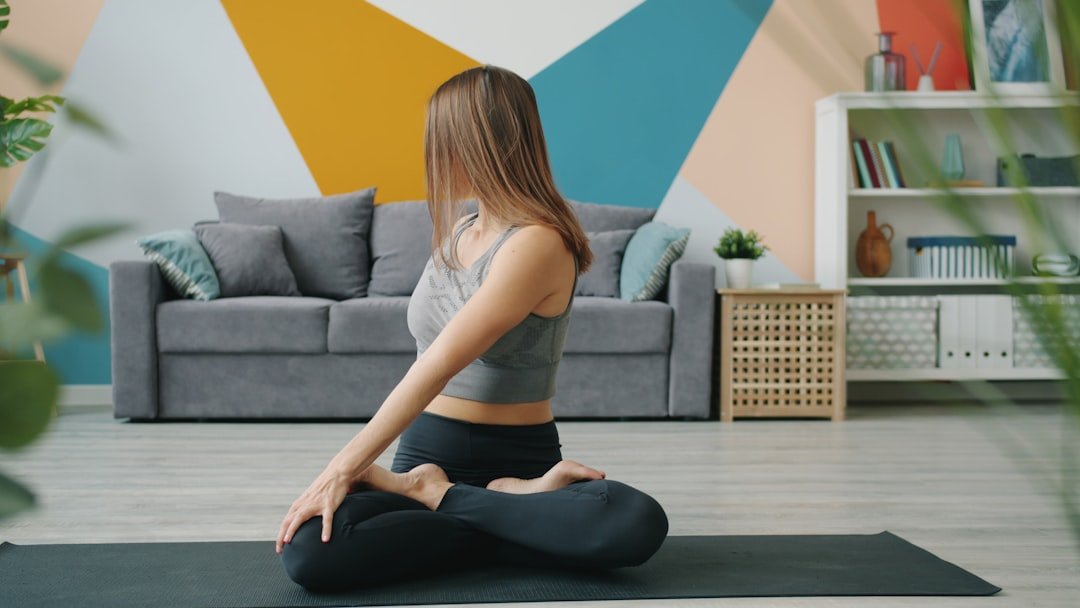
You already know stress at home doesn’t disappear by ignoring it. Learning how to handle stress at home starts with understanding that your emotional state lives in your body first, your mind second. The routines that actually work aren’t complicated—they’re the ones you can do while your coffee brews or before bed, the ones that reshape how your nervous system responds to daily friction.
Why Home Stress Feels Different
Home is where your guard drops. That’s where stress compounds fastest because there’s nowhere else to go. You’d think relaxing at home would feel natural—it usually doesn’t. Most people don’t realize that home stress isn’t just about what happens in those rooms; it’s about what you bring into them emotionally. When you understand how to handle stress at home, you’re not just managing your environment, you’re reclaiming your peace in the space where you spend most of your recovery time.
The stakes feel higher at home.
| Stress Source | Physical Response | Quick Intervention |
|---|---|---|
| Unfinished tasks piling up | Tight shoulders, shallow breathing | 15-minute reset routine |
| Relationship tension | Jaw clenching, stomach tension | Breathwork before responding |
| Mental clutter from work | Racing thoughts, difficulty sleeping | Brain dump journaling |
| Overstimulation from noise or activity | Irritability, feeling overwhelmed | Intentional solitude practice |
Building Simple Routines for Emotional Balance
I’ve been doing this for years—watching women shift their entire home environment by changing three things: their morning entry into the day, their midday reset, and their evening wind-down. Simple routines for emotional balance work because they create predictable moments where your nervous system knows it’s safe. That consistency matters more than intensity. A five-minute practice you actually do beats a thirty-minute plan you abandon by Wednesday.
Your morning sets the tone for how you’ll handle stress at home all day. Start before the rush. Before your phone, before anyone else needs you, sit quietly for three minutes. Breathe in for four counts, hold for four, out for six. This one breath pattern signals your body that you’re in control. I’ve seen so many women skip this because it feels too simple—then they wonder why they’re reactive by 9 AM.
Midday is where people usually crash. Around 2 or 3 PM, your emotional resilience dips. This is when how to handle stress at home becomes a physical practice. Stand up. Move your body for two minutes—not exercise, just movement. Walk to another room. Stretch your arms overhead. Shake out your hands. Your nervous system resets faster when you change your physical position than when you try to think yourself calm.
Evening routines determine whether stress from the day stays trapped in your body or gets processed and released. Twenty minutes before bed, put your phone in another room. Light a candle if you have one. Write three sentences about what happened today without judgment. Not analysis—just what occurred. This simple act moves stress from your chest and shoulders into the page where it can’t hurt you anymore.
Your 7-Day Stress Management Checklist
- Day 1: Choose one time today to practice the 4-4-6 breathing pattern for three minutes
- Day 2: Add a two-minute movement break at the same time every afternoon
- Day 3: Write down one sentence about what triggered stress today and how your body responded
- Day 4: Identify one conversation or task you’ve been avoiding—decide when you’ll address it
- Day 5: Notice whether you’re sleeping better after your evening wind-down routine
- Day 6: Ask someone you trust if they’ve noticed you seem calmer or more present
- Day 7: Commit to one of these three routines for the next 30 days and track it in a journal
The Three-Step Process for How to Handle Stress at Home
Condition: You’re experiencing stress at home—tension with a partner, overwhelm from responsibilities, mental clutter, or all three. Audience: Women aged 25–45 who want results without overwhelming themselves further. Method: Using grounded routines that work with your nervous system instead of against it.
- Identify your specific stress trigger by writing it down. Not thinking about it—writing it. This moves the stress from your head onto paper where you can actually see it and separate from it.
- Choose one routine that matches that trigger. Relationship tension calls for breathwork. Mental clutter calls for journaling. Overstimulation calls for quiet time. Don’t try all three at once—this is where most people give up.
- Set a specific time and place for this routine. Same time, same place matters. Your brain learns faster when the cue is consistent. Do this for one full week before adding anything else.
Here’s where this actually matters: most women add too many practices at once and feel like they’ve failed when they can’t maintain all of them. Start with one. Master it. Add the next one after two weeks.
My Picks for This
- Insight Timer offers thousands of free guided meditations and breathwork sessions specifically designed for stress and anxiety, with options as short as three minutes.
- The Five Minute Journal provides a structured format for morning gratitude and evening reflection without requiring you to stare at a blank page wondering what to write.
- Finch combines mood tracking with tiny habits and reminders, helping you notice patterns in your stress and celebrate small wins daily.
- Papier journals are beautifully made and designed for people who want writing to feel intentional rather than rushed—perfect for evening brain dumps.
- Calm includes sleep stories, meditation series, and soundscapes, all addressing different types of home stress with programs you can customize to your needs.
Frequently Asked Questions (FAQ)
Q1. How long before I notice a difference in how to handle stress at home?
Most people report feeling calmer within three to five days of consistent practice. Physical changes—better sleep, less jaw tension—show up after one to two weeks. Emotional shifts that feel real take about 30 days. Start tracking on day one so you notice the small shifts instead of waiting for a dramatic change.
Q2. What if I forget my routine or miss a day?
Miss a day and start the next day. Don’t restart your count from day one—that’s a trap that stops most people. The routine isn’t about perfection; it’s about building a skill. Consistency matters more than perfection, and one missed day doesn’t erase the progress your nervous system has already made.
Q3. Can I do these routines while taking medication for anxiety?
Yes, these routines work alongside medication, not instead of it. They’re tools for managing your daily stress level, not replacements for professional treatment. If you’re on medication, these practices often make your treatment more effective because you’re actively working with your nervous system.
Q4. Which routine should I start with if I have multiple stress sources?
Start with the one that’s causing you the most physical discomfort right now. If you’re sleeping poorly, begin with the evening wind-down. If your mornings feel chaotic, start with morning breathwork. If you’re holding anger or resentment, start with journaling. Address the loudest problem first.
Q5. Do I need any special tools or apps to practice how to handle stress at home?
No. You need a quiet space, your breath, and paper if you journal. Apps and guided resources help many people stay consistent, but they’re optional. Some women prefer working with a free meditation app; others prefer writing in a notebook with no distractions. Pick the format that feels least like another obligation.
Q6. What if my stress is coming from my partner or family—can routines really help?
Yes, but differently. Your routines can’t change another person’s behavior, but they change how your body responds to it. When your nervous system is calmer, you communicate more clearly, set boundaries more confidently, and recover faster from conflict. That shift often creates space for relationship improvement, even though that’s not the routine’s direct goal.
Related posts
This post is intended for informational purposes only and does not constitute medical or mental health advice. Always consult a qualified professional for personal health concerns.