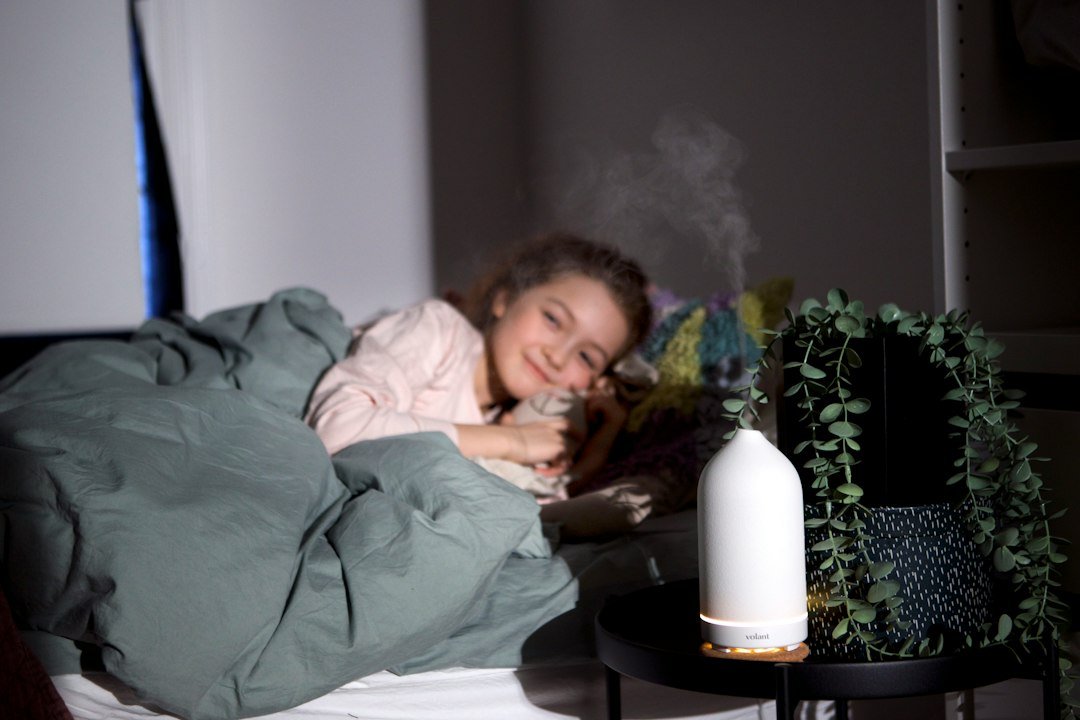
For box breathing vs 4-7-8 breathing, 4-7-8 is the better sleep choice for the common 11:30 p.m. moment when you are in bed, tired, and still mentally replaying the day. Its longer exhale creates a slower rhythm that many people find easier to pair with winding down. Start gently.
That said, box breathing wins when the seven-count hold feels tense, when counting makes you more alert, or when you want a steadier practice before bed rather than a distinctly sleepy one. Neither method is a switch. They are simple attention practices, and your body gets the final vote.
Box breathing vs 4-7-8 breathing at bedtime
The biggest difference is the shape of each breath. Box breathing uses equal counts: inhale, hold, exhale, hold. A common version is four counts for each part. The rhythm is even.
4-7-8 breathing uses an inhale for four counts, a hold for seven, and an exhale for eight. The exhale is twice as long as the inhale. That slower release is why I would choose it first for bedtime, provided it feels comfortable rather than forced.
| Practice | Basic pattern | Best fit | Use caution when |
|---|---|---|---|
| Box breathing | Inhale 4, hold 4, exhale 4, hold 4 | You want a predictable, balanced rhythm or you are new to structured breathing | Any breath hold creates pressure, dizziness, or panic |
| 4-7-8 breathing | Inhale 4, hold 7, exhale 8 | You are already in bed and want a slower downshift before sleep | The long hold or exhale feels strained, air-hungry, or mentally activating |
There is no reliable universal winner measured by a single bedtime result. Sleep is affected by your room, stress level, caffeine, physical comfort, and what happened that day. Still, if your goal is simply to create a quieter transition into sleep, 4-7-8 has the more useful starting structure.
Why 4-7-8 is my recommendation for sleep
A bedtime routine works best when it signals less effort, not more. With 4-7-8, the breath moves toward a long, unhurried exhale. That gives you one simple job: release the air slowly.
I find this matters because racing thoughts often invite more mental problem-solving. Counting an extended exhale can occupy just enough attention without asking you to analyze anything. The count is a railing, not a test.
The long exhale may also make the practice feel naturally unhurried. You are not trying to take huge breaths. Smaller, softer breaths are fine.
For sleep, I would do four rounds rather than treating it as a performance challenge. Four rounds take only a few minutes, and stopping there keeps the ritual low-pressure. Then let your normal breathing return.
Do not chase a perfect eight-count exhale. If eight feels like too much, use 3-5-6 or 4-5-6 instead while keeping the exhale longer than the inhale. The exact numbers are less valuable than an easy, quiet rhythm you can repeat tomorrow.
This recommendation is about practicality, not a promise that one count pattern will make you sleep. Some nights, it will simply create a calmer pause before you turn over and wait. That still counts.
When box breathing is better for sleep
Box breathing is the better pick if 4-7-8 makes you notice your breathing too intensely. A long hold can feel surprisingly uncomfortable when you are anxious, congested, or just not used to breathwork. Comfort comes first.
It can also work well for people who prefer symmetry. The equal counts are easy to remember, and the rhythm has a contained, orderly feel. If a predictable pattern settles your mind, that is useful information.
Try box breathing before the rest of your bedtime routine if you tend to arrive home mentally revved up. Four slow rounds while sitting on the edge of the bed, after changing clothes or brushing your teeth, may help create a boundary between the day and the night. Keep your shoulders loose.
I would be less likely to choose it as the final thing I do with the lights off, because the equal inhale and exhale can feel more neutral than sleepy. That is personal preference, though. If box breathing is the one you will actually practice consistently, it is the better routine for you.
You can soften the standard pattern too. Try inhale 3, hold 3, exhale 4, hold 3 if equal four-count breaths feel too structured. There is no prize for sticking rigidly to a number.
How to try 4-7-8 without turning bedtime into homework
Use this as a small experiment for several evenings, not as a demand that sleep happen on schedule. Pick a point in your routine that is repeatable, such as after you put your phone on the charger. Make it boring.
- Get into a comfortable position, sitting or lying down. Let your jaw unclench.
- Exhale normally first. Do not force the air out.
- Inhale gently through your nose for a count of four.
- Hold softly for a count of seven, only if it feels easy.
- Exhale slowly through pursed lips or your nose for a count of eight.
- Repeat for four rounds, then stop counting and rest.
If you lose count, begin the next breath wherever you are. No restart is needed. The point is to reduce effort, not add another task to your night.
A useful first-week plan is four rounds of 4-7-8 for three nights, followed by four rounds of box breathing for three nights, with one night using whichever felt easier. Jot down two notes each morning: how comfortable the practice felt, and whether it made bedtime feel calmer. Keep it simple.
Do not judge the method only by how quickly you fell asleep. You might not know that accurately anyway, especially if you woke during the night. Instead, ask whether the practice reduced the urge to scroll, check the clock, or keep solving tomorrow before you sleep.
Make either practice more sleep-friendly
The breathing pattern matters less when the rest of your environment keeps pulling your attention outward. A bright screen, a work message, or a hot room can make any calming ritual feel like it is fighting uphill. Change one thing.
My favorite pairing is very plain: dim the room, put the phone face down across the room, then do the breathing practice once you are physically ready for bed. You do not need special music or an expensive device. Less setup is often easier to keep.
Try to avoid checking the time between rounds. Clock-watching turns sleep into a calculation, which can make the body feel more alert. If you need an alarm, set it before you begin.
Keep the pace gentle. Taking very deep breaths can make some people lightheaded, especially when they are tired or tense. Normal-sized breaths are enough.
If you share a bed and worry that audible breathing will distract someone, breathe quietly through your nose and count internally. The practice should fit your actual life. A routine that feels awkward is hard to repeat.
Common mistakes that make breathwork feel worse
The first mistake is forcing the hold. A breath hold should feel like a pause, not a contest. Shorten it immediately if your chest tightens or you start bracing.
The second is treating a restless night as proof that the method failed. Sometimes your mind is busy because life is busy. A breathing exercise can be supportive without controlling the outcome.
The third is increasing the counts too quickly. Longer is not automatically better. Stay with a count that leaves you feeling comfortable at the end of each round.
Another issue is practicing only when you are already highly distressed. Build familiarity on ordinary nights first. Then the pattern may feel less foreign when you genuinely need a settling routine.
Stop if you feel dizzy, faint, unusually short of breath, or more panicky. Return to normal breathing and sit up if needed. For recurring sleep problems, anxiety symptoms, panic, breathing concerns, or anything that feels bigger than a general wellness habit, speak with a qualified healthcare or mental health professional.
FAQ
Should I do box breathing or 4-7-8 breathing if I wake up at night?
Start with 4-7-8 if you feel physically calm but mentally awake, because the longer exhale may make it easier to settle back down. Use only a few gentle rounds. If counting seven and eight makes you focus harder, switch to box breathing or simply lengthen your exhale without counting.
Can I do 4-7-8 breathing lying down?
Yes, if lying down feels comfortable. Keep the breath light. If you feel dizzy or uncomfortable, sit up and return to a natural breathing pace.
How many rounds should I do before sleep?
Four rounds is a practical place to start. It is brief enough to stay low-effort. Add more only if the practice still feels easy and pleasant, rather than like something you must complete.
Is box breathing bad for sleep?
No. Box breathing can be a calming bedtime practice, especially if you like its balanced structure or dislike long exhales. I would simply choose 4-7-8 first for the most common sleep situation, then use box breathing when it feels more comfortable.
What if breath counting makes me anxious?
Drop the numbers. Try a natural inhale followed by a slightly longer, quiet exhale, and rest between breaths. If focused breathing regularly increases anxiety or panic, it is reasonable to stop and discuss it with a qualified professional.
The simple choice for tonight
Choose 4-7-8 breathing tonight if you want a brief, slower ritual at lights-out and the longer hold feels comfortable. Do four gentle rounds. Then stop trying.
Choose box breathing instead if you prefer even counts, feel uneasy during longer holds, or want to settle yourself before you get into bed. That is not settling for second best. It is choosing the version your body can meet without resistance.
The best bedtime breathwork is usually the one that feels easy enough to repeat on an average Tuesday night. Keep the routine small. Let sleep be separate from the scorecard.
Related posts
This article is for general informational purposes only and does not constitute medical or mental health advice. Self-care and mindfulness practices affect everyone differently — always consult a qualified professional for anxiety, sleep, mood, or any ongoing mental health concern.
Disclosure: This post may contain affiliate links. If you click through and make a purchase, we may earn a commission at no extra cost to you. We only recommend products we’ve researched or genuinely believe in.