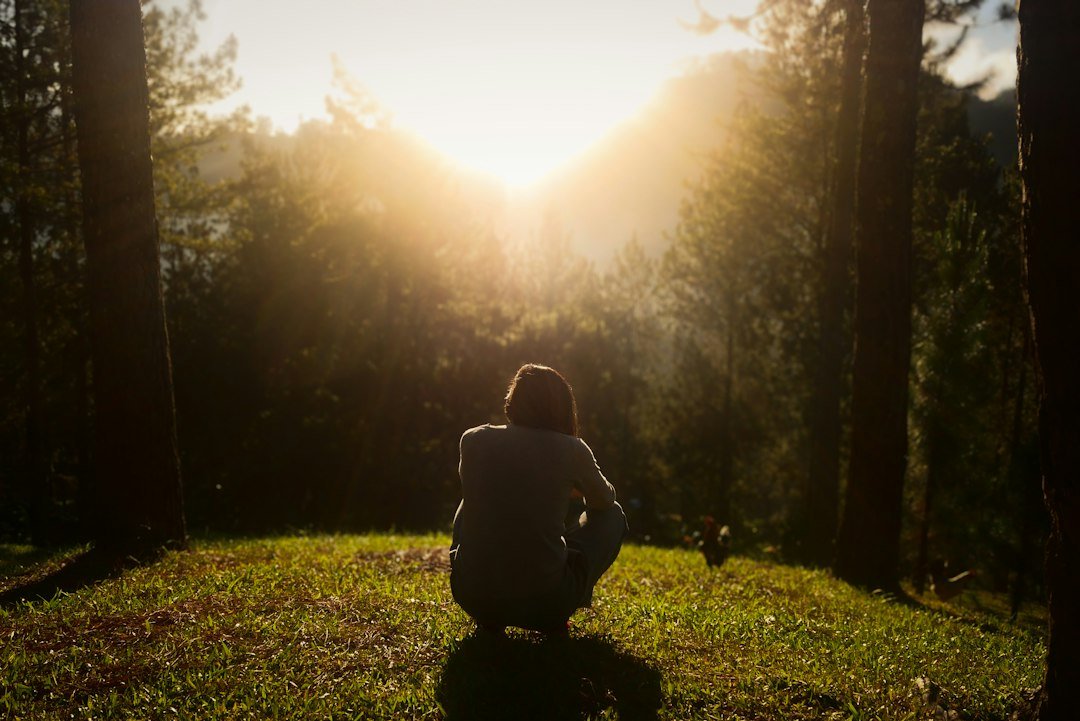
When you take five quiet minutes on a park bench after a busy lunch break, the benefits of meditating outdoors in nature can feel immediate: fewer screens, fresh sensory input, and a clear reason to pause. It feels different. The benefits of meditating outdoors in nature are not magic, and outdoor practice will not suit every day, but a natural setting can make a simple breathing practice feel less like another task on your list.
Benefits of meditating outdoors in nature
Outdoor meditation gives your attention something gentle to rest on. You might hear leaves shifting, notice sunlight on your hands, or watch clouds move without needing to interpret any of it. That matters. Instead of trying to force your mind completely blank, you can let the environment give your attention a neutral landing place.
Nature also creates a physical break from the places where many people work, scroll, clean, and worry. A bedroom or living room may be comfortable, yet it can carry mental reminders of unfinished chores or emails. Outside is different. Even a small green space, a quiet balcony with plants, or a shaded spot near a tree can signal that this is a separate part of the day.
For some people, outdoor meditation feels less formal than sitting indoors with closed eyes. You can keep your eyes open and focus softly on one point, such as a branch or patch of grass, which may feel more comfortable if closing your eyes makes you restless. There is no prize for stillness. The useful part is returning your attention when it wanders.
Natural sounds can also make a simple practice easier to begin. Rather than downloading another track or choosing the perfect guided session, try listening for the nearest steady sound for ten breaths. Keep it basic. A bird call, distant traffic, rain, or wind can become an anchor without requiring total silence.
There is also a practical habit benefit: going outside gives meditation a clear cue. If you always sit on the same step after your morning coffee, or pause beneath the same tree before heading home, the location can remind you what to do. Over time, fewer decisions are needed. That can make a short practice more realistic on ordinary weekdays.
Outdoor meditation vs indoor meditation
Indoor meditation usually wins on consistency. You can control the temperature, sit somewhere private, use a cushion, and practice at the same time regardless of weather. It is simple. For anyone who lives near heavy traffic, has limited access to green space, or feels unsafe sitting alone outdoors, indoor meditation may be the more supportive choice.
Outdoor meditation can be more sensory and less predictable. A dog may bark, a neighbor may pass by, and insects may interrupt your plan, so it is not necessarily easier. That is okay. The goal does not have to be silence or perfect focus; you can notice the interruption, relax your shoulders, and return to your breath or surroundings.
The choice can depend on what you need that day. If you feel boxed in after hours indoors, five minutes outside may feel refreshing because the scene is broader and your attention has room to move. If you feel overstimulated or emotionally raw, a familiar indoor corner may offer more comfort and control. Pick the setting that lowers friction.
I find this distinction helpful: choose outdoors when you want to reconnect with your surroundings, and choose indoors when you want fewer variables. Both count. A meditation practice does not become better because it looks peaceful in a photo.
How to try it without overcomplicating it
Start with a place that is easy to reach and reasonably comfortable. A back step, quiet courtyard, garden chair, or local park bench works well. Stay close. You do not need a remote trail, special clothing, or a long block of free time to make this a real practice.
- Choose five minutes. Set a gentle timer if you need one. Short is enough.
- Settle your body. Put both feet on the ground, loosen your jaw, and let your hands rest in your lap.
- Take three unhurried breaths. Do not force a deep inhale if that feels uncomfortable.
- Pick one anchor. Notice the feeling of air, a repeated sound, or one visual detail in front of you.
- Return without judging. When your thoughts pull you away, name it quietly as thinking and come back.
A workable example is a seven-minute pause before you enter your home after work: one minute to sit down, five minutes to notice breath and sound, then one minute to stand and continue your evening. That is enough. The point is to make the practice easy to repeat, not to create a perfect experience.
Use your senses lightly rather than trying to catalogue everything. Notice one thing you can see, one sound you can hear, and one physical sensation, such as the breeze or the support beneath you. Then stop searching. Too much effort can turn a quiet pause into another performance.
Making outdoor practice feel safe and comfortable
Choose a location where you feel secure, especially if you plan to sit with headphones off or close your eyes. Stay aware. Public parks, shared gardens, and outdoor areas near home can be better options than isolated places, particularly early in the morning or after dark.
Comfort affects whether you will return. Bring a light layer if the temperature changes, use sunscreen when appropriate, and sit on a folded jacket or small mat if the ground is damp. Keep it modest. You do not need to buy meditation gear before testing whether this routine fits your life.
It is also fine to keep your eyes open. Look down softly, focus on a nearby object, or take in the wider view without staring at anything. If noise, weather, or being observed makes you tense, head indoors. Flexibility is part of a sustainable practice.
FAQ
Is meditating outside better than meditating indoors?
Neither setting is automatically better. Outdoor meditation may feel more spacious and engaging because of natural sights and sounds, while indoor meditation is often easier to keep private and consistent. Choose the option you are most likely to do. Repetition matters more than scenery.
Do I need to meditate in a forest or park?
No. A balcony, patio, front step, backyard, or open window can offer an outdoor element. Keep expectations realistic. The main idea is to pause with fewer digital distractions and notice what is around you.
What if outdoor sounds distract me?
Use sound as part of the practice instead of treating it as a failure. Notice a sound, label it quietly as hearing, then return to your breath or the feeling of your feet on the ground. Start small. Two minutes is a valid practice.
Can I use a guided meditation outside?
Yes, if it helps you begin. Keep the volume low enough to remain aware of your surroundings, and consider using one earbud rather than blocking both ears in a public place. Safety comes first. You can also try a short timer with no audio once outdoor practice feels familiar.
Related posts
This article is for general informational purposes only and does not constitute medical or mental health advice. Self-care and mindfulness practices affect everyone differently — always consult a qualified professional for anxiety, sleep, mood, or any ongoing mental health concern.