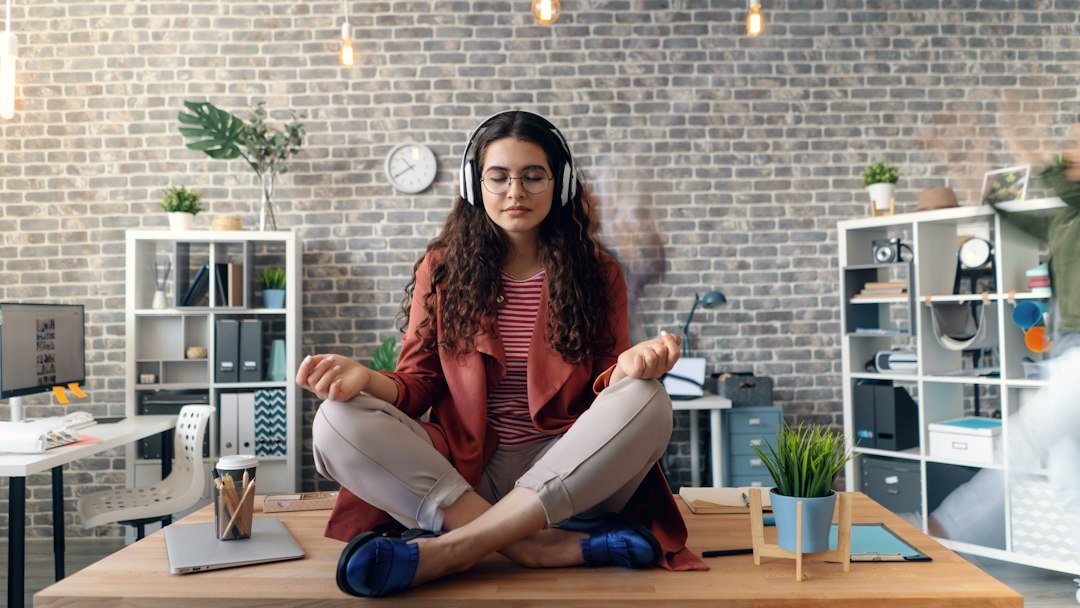
How to use binaural beats for meditation can be as simple as putting on headphones before a noisy work block, closing the extra browser tabs, and giving yourself ten quiet minutes before you expect your mind to cooperate. Keep it simple. The basic idea behind how to use binaural beats for meditation is that each ear hears a slightly different tone, and your brain perceives the difference between them as a soft pulsing beat.
For deep focus, treat the audio as a cue to begin rather than a shortcut to instant concentration. That distinction matters. A binaural beat track cannot force a distracted, overtired, or stressed mind into calm, but a predictable sound ritual may make it easier to return to one task when your attention wanders.
How to use binaural beats for meditation
You need stereo headphones, a comfortable place to sit, and an audio track made specifically for binaural listening. Headphones matter. A regular speaker plays both tones into the room, so the left-ear and right-ear separation that binaural recordings rely on is reduced or lost.
Choose a track without spoken affirmations for your first few sessions, especially if you want deep focus rather than sleep or emotional processing. Less is easier. Nature sounds, gentle ambient music, or a plain low-volume tone can work if they do not pull your attention into evaluating the music.
Start at a volume that feels quieter than you think you need. Protect your ears. You should still be able to notice a nearby household sound or someone speaking at a normal volume, even though you may choose a more private setting to avoid interruptions.
Then give the session a clear job. For a meditation break, the job may be following your breath. For deep focus, it may be reading five pages, outlining an email, or working through one spreadsheet section without checking messages.
Choose a track that fits your intention
Binaural beat recordings are often labeled with frequency ranges associated with brainwave categories, such as alpha, theta, beta, or gamma. Labels are only labels. They can be useful for searching, but they are not a promise that every listener will have the same mental experience.
| Common label | Typical range shown on tracks | A practical way to use it |
|---|---|---|
| Alpha | About 8 to 12 Hz | Try it for relaxed, alert meditation or a gentle transition into focused work. |
| Theta | About 4 to 8 Hz | Try it for a seated wind-down practice when you do not need to be sharply alert afterward. |
| Beta | About 13 to 30 Hz | Try it cautiously for an active work session if softer tracks make you too sleepy. |
| Gamma | Often 30 Hz or higher | Use a short trial if you enjoy it, then judge it by whether it supports your actual task. |
For deep focus, many people begin with an alpha-labeled track because it can feel less intense than faster, busier audio. Your response is the useful data. If the sound makes you tense, headachy, sleepy, or impatient, switch tracks or turn it off instead of trying to power through.
Pay attention to the full recording, not only the number in its title. A supposedly focus-friendly frequency layered under dramatic music, sudden chimes, or a loud rain sound may break your attention every few minutes. Quiet audio is often enough.
A 15-minute deep-focus meditation routine
This is a practical starting routine for the moment when you have work to do but keep reaching for your phone. Fifteen minutes is enough. Use a timer separate from the track if the audio has no clear ending.
- Set up one task. Write down the next physical action, such as open the report, read the brief, or draft three subject lines.
- Put on stereo headphones. Start the binaural track at low volume, then sit upright with both feet supported if that is comfortable.
- Take three slower breaths. Let your exhale be unforced, and notice where your hands are resting.
- Listen for one minute. Do not strain to hear a special effect. Notice the sound, then return to the sensation of breathing.
- Work for ten minutes. Each time you notice planning, scrolling urges, or self-criticism, name it quietly as thinking and return to the next action.
- Close with four minutes of stillness. Stop working, keep the audio on if it still feels neutral, and notice whether your shoulders, jaw, or breath have changed.
The point is repetition. You are practicing the move back to attention, which is more realistic than expecting a completely empty mind while a deadline is sitting nearby. If fifteen minutes feels long, begin with five.
Keep your phone face down and out of reach during the session. Make friction useful. If you need your phone for audio, turn on a focus mode, silence notifications, and place it screen-down before you press play.
Use the sound without chasing an effect
A common mistake is monitoring yourself every thirty seconds for proof that the track is working. This adds pressure. Instead, let the sound become a background anchor, similar to the hum of a fan or the steady rhythm of rain against a window.
When your attention leaves the breath or task, use a short return sequence: notice the distraction, feel one full inhale and exhale, then look at the next small action. No drama. You may repeat this many times in a single session, and that does not mean you are bad at meditation.
For a breath-centered practice, count only the exhale from one through five, then begin again at one. Keep the count light. If you lose your place, restart without trying to figure out when your mind drifted.
For work, avoid multitasking while the track plays. One tab is kinder. Binaural beats may become another form of stimulation if you pair them with constant inbox checks, videos in the background, and several unfinished tasks competing for attention.
Find a routine you can actually repeat
Try the same track, volume, and session length for four to six sessions before deciding whether it belongs in your routine. Consistency helps. Changing every variable at once makes it hard to know whether the audio, your sleep, your workload, or your setting affected the experience.
After each session, write one sentence in a note app or paper notebook: easier to start, neutral, too sleepy, too distracting, or uncomfortable. Be honest. This tiny record is more useful than trying to remember how a track felt after a busy week.
A simple decision threshold can keep you from overthinking it: continue if the audio feels comfortable and helps you stay with your chosen practice for most of the session; adjust it if you keep removing the headphones, checking the time, or feeling more agitated. Your comfort comes first.
Some people prefer binaural beats before work, then silence once they are underway. Others use them only for a five-minute reset between tasks. Personal preference matters here, and there is no need to turn an optional tool into a rigid rule.
Safety and comfort notes
Do not use headphones for binaural tracks while driving, cycling in traffic, cooking around hot surfaces, or doing anything that requires you to hear your surroundings clearly. Stay aware. Even gentle audio can reduce how quickly you notice an alarm, a person calling to you, or a change in your environment.
Stop the session if you feel dizzy, distressed, nauseated, or develop a headache. Take a break. Choose silence, lower the volume another day, or use a non-headphone mindfulness practice such as feeling your feet on the floor.
If you have a history of seizures, are sensitive to sound, or have a neurological or mental health condition that makes unusual sensory experiences difficult, check with a qualified healthcare professional before experimenting with this type of audio. Individual needs differ. The same applies if meditation practices regularly bring up overwhelming emotions or make daily life harder to manage.
Binaural beats are optional. A timer, a quiet room, and a few steady breaths can be a complete meditation practice when headphones feel annoying or unavailable.
Frequently asked questions
Do binaural beats work without headphones?
They are intended for stereo headphones because each ear receives a separate tone. Use headphones. You can still meditate with a track played through speakers, but it may function more like ordinary background audio than a binaural recording.
How long should I listen for deep focus?
Start with ten to fifteen minutes, then assess how you feel and whether you stayed with one task more easily. Start small. Longer sessions are not automatically better, especially if you become restless or mentally foggy.
Can I meditate with binaural beats every day?
Many people use calming audio as part of a daily ritual when it feels comfortable and does not interfere with sleep, work, hearing comfort, or time with others. Keep it flexible. A quiet session without audio is a good alternative on days when sound feels like too much.
What if binaural beats make me sleepy?
Try a shorter session earlier in the day, sit upright rather than lying down, and choose a less dreamy-sounding track. Change one thing. If sleepiness continues, use silence or a simple timer for focus sessions and save softer audio for rest.
Are binaural beats a replacement for meditation practice?
No. They are a listening aid, while meditation is the practice of returning attention with awareness and patience. The skill is yours. You can build it with audio, without audio, or by alternating between both approaches.
Related posts
This article is for general informational purposes only and does not constitute medical or mental health advice. Self-care and mindfulness practices affect everyone differently — always consult a qualified professional for anxiety, sleep, mood, or any ongoing mental health concern.
Disclosure: This post may contain affiliate links. If you click through and make a purchase, we may earn a commission at no extra cost to you. We only recommend products we’ve researched or genuinely believe in.