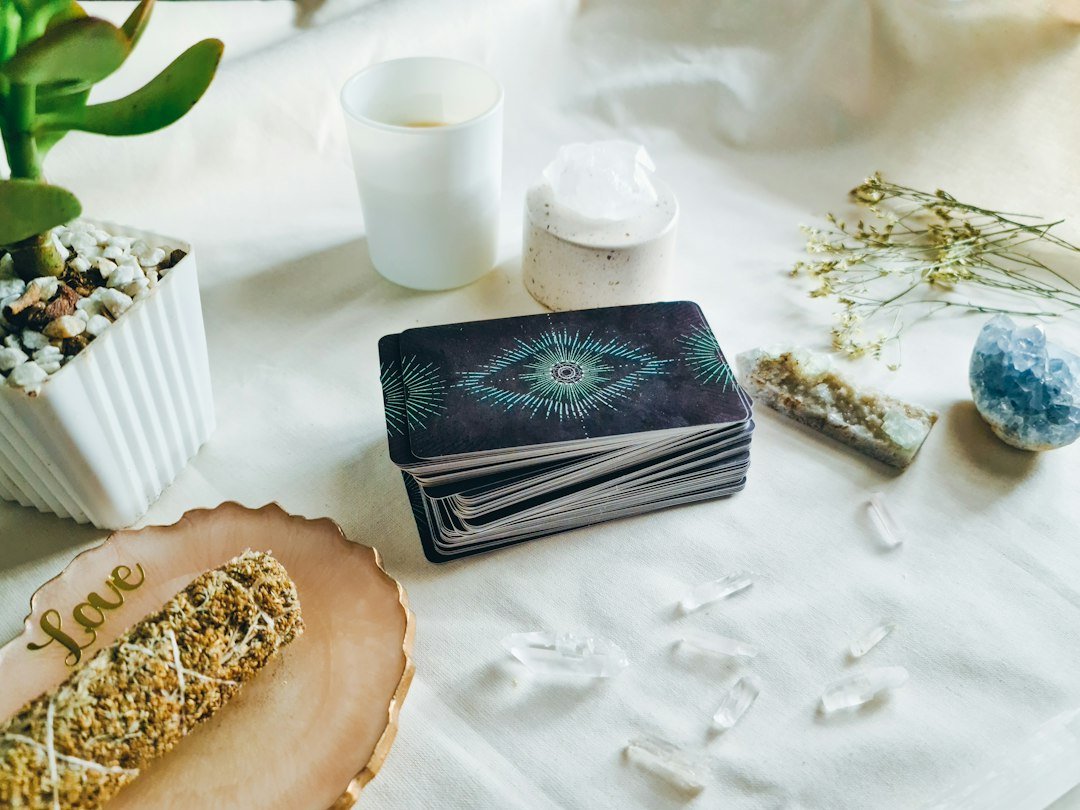
A common misconception is that how to start reading oracle cards for beginners requires psychic ability, special rituals, or a perfect intuitive hit every time. It does not. Oracle cards are printed prompts that many people use for reflection, spiritual practice, or a quiet pause in a busy day, and learning how to start reading oracle cards for beginners can be as simple as noticing what a card brings up for you. Start small.
You do not need to predict the future. In my own practice, the most useful readings feel less like receiving a fixed answer and more like being asked a thoughtful question I might have avoided. A card can help you name a feeling, consider a choice, or set an intention for the day. Keep that perspective.
How to start reading oracle cards for beginners
Begin with one deck that you genuinely want to pick up. Many oracle decks include a guidebook, and that is helpful when you are new because the artwork and keywords have context built into the system. Choose a deck with imagery and language that feels clear rather than cryptic. Clear is good.
Oracle cards differ from tarot cards because there is no single universal structure for every oracle deck. A tarot deck usually follows a familiar system of suits and archetypes, while an oracle deck can have any number of cards and any theme its creator chooses. Read the guidebook first.
Before your first pull, look through the deck without trying to interpret anything. Notice repeated colors, words, symbols, or images that make you pause. This gives your mind a starting point, and it also helps you learn whether the deck’s tone feels supportive, direct, playful, or intense. Your reaction matters.
Set up a simple first reading
Your space does not need to look ceremonial. Sit somewhere you can focus for five minutes, put your phone on silent if possible, and keep a notebook nearby if writing helps you remember what came up. A kitchen table works.
Some readers light a candle, play quiet music, or hold the deck for a moment before shuffling. Those actions are optional. I sometimes take three slow breaths because it helps me stop rushing, but a ritual only earns its place if it helps you become more present rather than making the practice feel like a test. Keep it easy.
- Choose one open question. Try, What would be useful for me to notice today?
- Shuffle while holding the question lightly. There is no required method, so shuffle in the way that feels comfortable.
- Pull one card. Take the top card, fan the deck out, or wait for one to fall while shuffling.
- Look before reading. Notice your immediate response to the picture, title, and colors.
- Read the guidebook. Compare its message with your own first impression.
- Write one practical takeaway. Choose a small action or reflection you can return to later.
One card is enough. A beginner often learns more from sitting with a single image than pulling several cards and trying to force them into one big answer. If a card feels confusing, write down three things you literally see in it, then add the guidebook meaning beside your notes. Stay literal first.
Ask questions that leave room for reflection
The question shapes the reading. Questions that demand a guaranteed outcome can make cards feel heavier than they need to be, especially when you are worried, so use language that invites reflection and keeps your own choices in view. Give yourself room.
- What energy would support me this week?
- What am I overlooking in this situation?
- What would a kinder next step look like?
- What can I learn from this feeling?
Questions about another person’s private thoughts or a definite future result are usually less useful. Instead of asking whether someone will call, you might ask what you need to understand about your hopes around that connection. That puts the focus back on you. It feels steadier.
If a question relates to health, safety, trauma, money pressure, legal matters, or an urgent relationship decision, treat an oracle reading as personal reflection only. Do not use cards as a substitute for qualified medical, mental health, legal, or financial guidance. Real support matters.
Read the card in layers
There is no prize for getting the one correct meaning. Start with what is physically on the card: a doorway, a storm, an animal, a person looking away, or a word printed near the bottom. Then ask what that detail makes you think or feel. Let it be personal.
Next, read the guidebook entry. Notice which phrase feels relevant and which part does not fit your current situation. You are allowed to disagree with a guidebook, although it is useful to stay curious before dismissing a message because it feels inconvenient. Curiosity helps.
Finally, translate the reading into ordinary life. If you pull a card about rest, your takeaway might be to take a ten-minute walk without your phone, decline one nonessential commitment, or go to bed at your usual time instead of scrolling late. Make it specific.
A simple journal format can keep your readings grounded: date, question, card, first impression, guidebook note, and one action. After a few weeks, reread your entries and look for patterns in your own thoughts rather than trying to prove that every card predicted something. Your notes are useful.
Build a practice you will actually keep
Daily readings are optional. For some people, a daily card becomes a calming morning cue; for others, it turns into pressure or overthinking, so once or twice a week may be a better rhythm. Choose the lighter option.
Try a seven-day experiment before buying more decks or creating a complicated routine. Pull one card at roughly the same time each day, spend five minutes with it, and write one sentence about how you might carry its theme into the day. That is plenty.
At the end of the week, ask yourself whether the practice felt grounding, interesting, neutral, or stressful. If it felt stressful, shorten it or take a break. A spiritual habit should not become another demand on your attention. You can change course.
Use rituals as preference, not rules
You may hear that a new deck needs cleansing before use. Some people place cards near a window, tap the deck, shuffle for several minutes, or use smoke as part of a personal spiritual ritual. None of that is required.
I think of cleansing as a reset button for attention rather than a rule a deck imposes. If putting the cards back in their box and taking one breath helps you begin again, use that. If it feels performative, skip it. Your practice is yours.
Handle your deck in a way that feels respectful to you, but do not worry about making mistakes. Cards can be bent, readings can be awkward, and some pulls will mean very little in the moment. That is normal. Begin again tomorrow.
Know when to pause
Oracle cards are best used when they support reflection, not when they replace your judgment. Pause if you notice yourself pulling repeatedly until you receive the answer you want, feeling panicked by a card, or delaying an important real-world decision because you want more certainty. Put the deck down.
Try a practical boundary: one reading per question for 24 hours. Write the result, step away, and return to your own values, available facts, and trusted people before deciding what to do. This keeps the practice contained.
If cards bring up persistent distress, difficult memories, anxiety, low mood, or sleep problems, stop the reading and reach out to a qualified professional for support. Oracle cards can be meaningful, but they are not mental health care. Your wellbeing comes first.
Frequently asked questions
Do I need to be psychic to read oracle cards?
No. Most beginners read oracle cards by observing the image, considering the guidebook, and connecting the prompt to their current life. Intuition can simply mean noticing your honest first response. Practice makes this easier.
How many oracle cards should a beginner pull?
Start with one card. It keeps the reading clear and gives you time to learn the deck’s language without becoming overwhelmed by several messages. Add a second card later only when it feels useful.
What if I pull a card that feels negative?
Pause before assuming it predicts something bad. A challenging card may point to a fear, a boundary, or an area that needs honest attention, and you can choose a gentle response rather than treating it as a warning you must obey. You have agency.
Can I read oracle cards for other people?
You can, if the other person wants a light reflective reading and understands that cards are not facts or professional advice. Ask open questions, avoid making frightening claims, and never use cards to make health, safety, financial, or legal decisions for someone else. Consent matters.
How long does it take to learn oracle cards?
You can do a first reading today. Feeling familiar with your specific deck may take a few weeks of relaxed practice, especially if you journal your pulls and revisit the guidebook. There is no finish line.
Related posts
This article is for general informational purposes only and does not constitute medical or mental health advice. Self-care and mindfulness practices affect everyone differently — always consult a qualified professional for anxiety, sleep, mood, or any ongoing mental health concern.
Disclosure: This post may contain affiliate links. If you click through and make a purchase, we may earn a commission at no extra cost to you. We only recommend products we’ve researched or genuinely believe in.