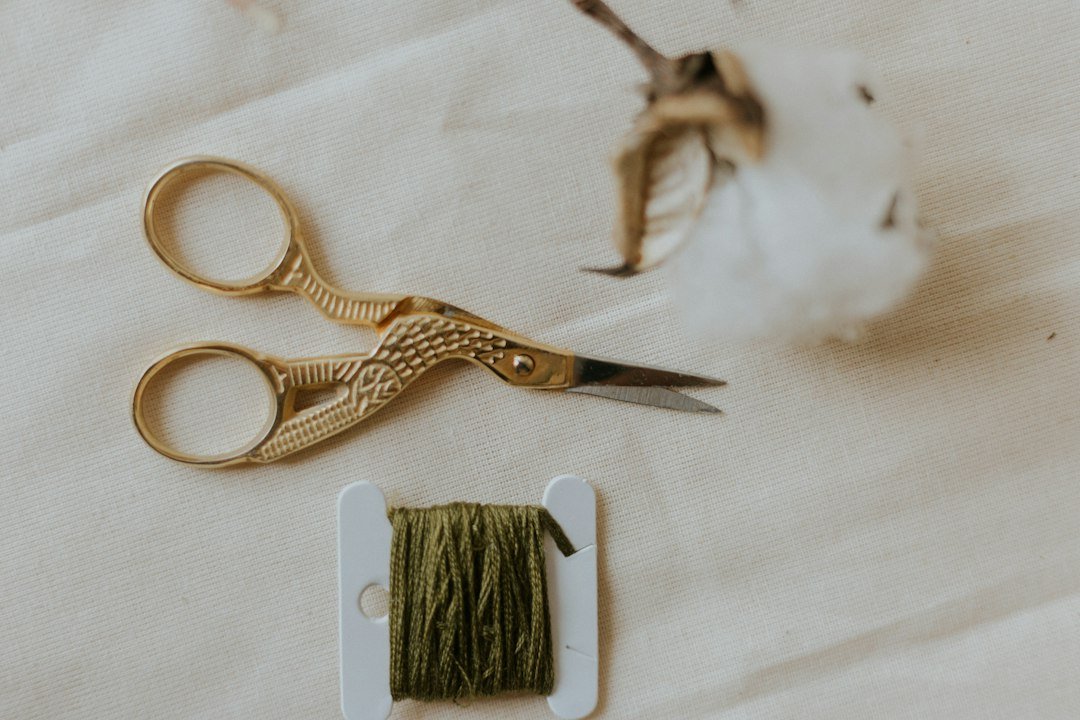
To do a cord cutting ritual for emotional release, set aside ten quiet minutes, put your phone away, and write the name or situation you want to release on a piece of paper. Start there. If you are wondering how to do a cord cutting ritual for emotional release, treat it as a private symbolic practice rather than proof that you can control another person, erase a memory, or change the past. The point is your intention. You are making space to name what has been weighing on you and to choose what you want to carry forward instead.
What a cord cutting ritual can mean
A cord cutting ritual is commonly used in spiritual and self-reflection practices to mark the end of an emotional attachment. It can relate to a former partner, a difficult friendship, a family dynamic, an old workplace experience, or even a version of yourself that you have outgrown. The ritual is symbolic. It gives a physical shape to an internal decision that can otherwise feel vague, messy, or hard to begin.
You do not need to believe that an invisible cord literally exists for the practice to feel meaningful. Keep it personal. Some people use prayer or spiritual language, while others see the string and scissors as a clear visual reminder of boundaries. I prefer the second approach when I feel emotionally overloaded, because it keeps my attention on what I can actually choose next.
This is not a shortcut around grief. Feelings may remain. A ritual may bring relief, sadness, anger, or nothing obvious at first, and none of those responses means you did it wrong. Emotional release is rarely one clean moment. It often comes in small decisions made repeatedly.
Prepare before you begin
Choose a time when you will not need to rush into work, driving, caregiving, or a stressful conversation immediately afterward. Give yourself a buffer. Fifteen to twenty minutes is usually enough for the ritual itself, plus a few minutes to settle afterward. If the relationship or event is recent, you may want to keep the first attempt especially simple.
Gather a length of string, yarn, ribbon, or twine; scissors; paper; and a pen. That is plenty. You can sit at a table, on the floor, or anywhere you feel reasonably private and physically comfortable. A candle is optional, not required, and I usually skip one when I want less setup and less distraction.
Before you begin, decide what you are releasing. Be specific. “I release my attachment to my ex” may feel broad, while “I release the habit of checking whether they have contacted me” gives you a real behavior to notice afterward. You are not cutting away your whole history. You are naming one pattern, expectation, or emotional grip that no longer feels good for you.
If you feel unsafe around someone, prioritize practical support and boundaries over any ritual. Safety first. That may mean blocking contact, speaking with a trusted person, using workplace or local support channels, or making a plan with a qualified professional. A symbolic practice cannot replace protection in a harmful situation.
How to do a cord cutting ritual for emotional release
- Settle your body. Sit with both feet on the floor or rest your hands in your lap. Take five slow breaths without forcing them. Keep it easy. Notice the surface beneath you and look around the room for three ordinary objects.
- Name the attachment. Write the person’s name, the situation, or the pattern on your paper. Then add one honest sentence: “I am ready to release my need for their approval,” or “I am ready to release the hope that this will become what I wanted.” Use your own words.
- Hold the cord with intention. Place the string in front of you, or hold one end in each hand. Imagine it representing the emotional pull you have identified, not your entire relationship or every memory attached to it. Stay concrete. You might say quietly, “This represents the part of this connection that keeps me stuck.”
- Acknowledge what was real. Take a moment to recognize what the relationship, experience, or hope meant to you. This matters. You do not need to pretend it was all bad to decide that its current hold on you is too painful, too consuming, or no longer aligned with your life.
- Say your release statement. Try a sentence such as, “I release the role this attachment has played in my daily thoughts,” or “I return my attention to my own life and choices.” Keep the statement about you. Avoid language that tries to command, punish, or spiritually bind another person.
- Cut the string. Cut it once, slowly, while repeating your statement or sitting in silence. One cut is enough. Watch the two pieces separate, then pause for a few breaths and notice any thoughts or sensations without trying to judge them.
- Close the ritual. Put the cut pieces aside, throw them away, or keep one piece as a reminder of a boundary you are practicing. Then write down one small action you will take within the next day, such as muting an account, removing a saved photo, declining a conversation, or texting a supportive friend.
The final action is the part that gives the ritual traction in daily life. Make it manageable. If your release statement is about no longer rereading old messages, your next action could be moving that message thread into an archive or asking a friend to hold you accountable for a week. A ritual can mark the decision. Your routines help reinforce it.
Make the ritual feel honest instead of dramatic
You do not need special music, crystals, expensive tools, or a perfect emotional breakthrough. Less can be better. The ritual works best when the words feel believable enough to say without forcing yourself into a mood you do not actually feel.
For example, “I am completely over this and will never think about them again” may feel false if you are still grieving. Try something steadier: “I can miss this person and still stop reaching for contact that hurts me.” That leaves room for reality. It also gives you a boundary you can practice.
You can repeat the ritual if the attachment returns to your thoughts. Repetition is normal. I would change the focus each time instead of repeating the same broad statement, because a new focus can reveal the specific habit beneath the pain. One week, you might release checking their social media. Another week, you might release blaming yourself for every part of the ending.
What to do after the ritual
Plan a grounding activity for immediately afterward, especially if you expect big feelings. Keep it ordinary. Drink water, take a shower, make tea, go outside for five minutes, or fold laundry while listening to something familiar. Your nervous system may appreciate a cue that the intense moment has ended.
Then return to the action you wrote down. If you cut a cord around people-pleasing at work, practice one small boundary the next day, such as waiting ten minutes before agreeing to an extra task. Small proof matters. It can help your intention become less abstract.
Consider journaling for five minutes later that day. You could answer: What am I relieved to release? What do I still wish were different? What choice can I make that supports me this week? Keep your answer plain. You do not need a polished insight.
When to pause and seek more support
Pause the ritual if it makes you feel panicked, dissociated, unable to function, or pulled toward contacting someone who has harmed you. Stop there. Put your feet on the floor, name what you see around you, and reach out to a trusted person if that feels appropriate.
Some attachments are connected to trauma, coercion, abuse, bereavement, or long-standing anxiety and depression. A ritual may feel too small for that weight. Support from a qualified mental health professional can offer a safer space to process what happened and build practical coping tools at your own pace.
You also do not have to release a relationship simply because someone tells you to “let go.” Your timing matters. The useful question is whether the attachment is pulling you away from your values, safety, rest, or ability to participate in your own life.
FAQ about how to do a cord cutting ritual for emotional release
Do I need to use an actual cord?
No. A piece of string gives the ritual a clear physical moment, but you can also draw a line on paper and tear it, write a letter you do not send, or simply speak your release statement aloud. Use what feels accessible. The meaning comes from your intention and follow-through, not the object.
Can I do a cord cutting ritual for an ex?
Yes, many people use it after a breakup or an unresolved romantic connection. Keep the focus on your own attachment. You are not trying to affect their feelings, choices, or future relationships; you are acknowledging your own desire to step back from a pattern that keeps you emotionally hooked.
What if I still miss them afterward?
Missing someone after a ritual is normal. Be gentle. The ritual does not require you to stop caring on command, and it does not make a meaningful relationship disappear from your memory. When the feeling comes up, return to the boundary or small action you chose instead of treating the feeling as a failure.
Should I burn the cord or paper?
You do not need to burn anything. Scissors are simpler. If you choose to use a candle as part of your personal practice, follow ordinary fire safety, keep flammable items away, and never leave a flame unattended. Tearing or discarding paper can carry the same symbolic meaning.
How often can I do this ritual?
There is no fixed schedule. Once may feel sufficient, or you may revisit it when a specific trigger appears. If you find yourself repeating it often without feeling able to return to daily life, consider adding practical support, journaling, and a conversation with a qualified professional.
Related posts
This article is for general informational purposes only and does not constitute medical or mental health advice. Self-care and mindfulness practices affect everyone differently — always consult a qualified professional for anxiety, sleep, mood, or any ongoing mental health concern.
Disclosure: This post may contain affiliate links. If you click through and make a purchase, we may earn a commission at no extra cost to you. We only recommend products we’ve researched or genuinely believe in.