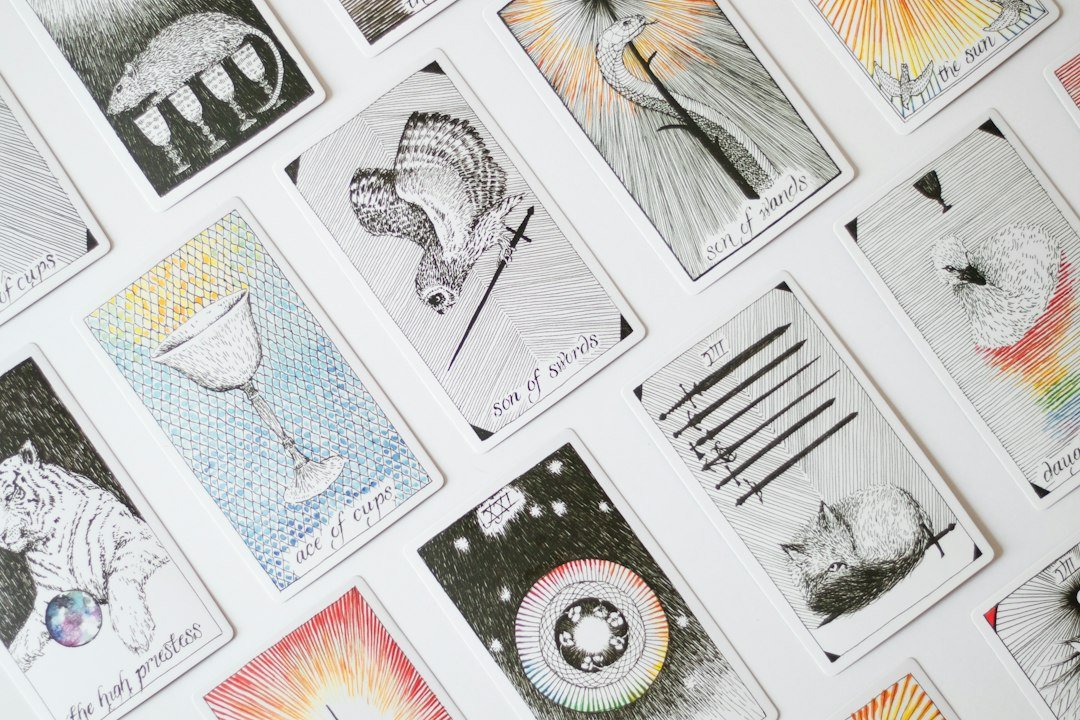
For oracle cards vs tarot cards, start with a simple oracle deck and pull one card today. If you are asking, “oracle cards vs tarot cards which should you start with,” the clearest answer for most new spiritual seekers is oracle cards. They let you build a quiet reflective practice without first learning card suits, number meanings, spread positions, or reversed cards. Begin small.
That recommendation is not because tarot is better or more serious. Tarot can be deeply rewarding, especially for someone who likes patterns, symbolism, and learning a framework over time. But many beginners buy tarot because it looks familiar, then feel stuck when they open a guidebook full of meanings that seem to conflict with one another. An oracle deck usually gets you to the useful part faster: pausing, noticing your reaction, and choosing one kind action for the day. That is enough.
Oracle cards vs tarot cards which should you start with?
Start with oracle cards if you want a gentle, low-pressure ritual that fits into ordinary life. A single card can become a journal prompt, a meditation focus, or a small question to carry into your morning. There are no universal rules for how many cards an oracle deck has or what categories it must use. Each deck has its own visual language. That freedom is the point.
Choose tarot first only if learning structure sounds satisfying rather than draining. A traditional tarot deck commonly has 78 cards, divided into major and minor arcana, with suits and numbered cards that build on each other. The system gives readings more layers, but it also asks more of you at the beginning. You do not need to master it overnight. Still, you do need to be willing to learn it.
| Question | Oracle cards | Tarot cards |
|---|---|---|
| Best first choice for most beginners? | Yes. The messages are usually direct. | Best for learners who enjoy a system. |
| Structure | Varies by deck. No fixed format. | Usually follows a 78-card tradition. |
| Learning curve | Low. Start with the guidebook. | Higher. Card relationships take time. |
| Reading style | Open-ended and personal. | Detailed, symbolic, and patterned. |
| Helpful for | Daily reflection and emotional check-ins. | People who like study and nuance. |
Why oracle cards are the easier first step
Oracle decks tend to state their central idea plainly. You might pull a card with a word such as “rest,” “boundaries,” or “trust,” then read a short guidebook passage. The card does not have to predict anything. It can simply interrupt autopilot.
That simplicity matters when you are creating a new habit. If your practice needs a long setup, several reference books, and a perfect interpretation before it feels valid, it may become another unfinished self-improvement project. I have found that a ritual lasts longer when it asks for less on low-energy days. One card is manageable.
Oracle cards also leave room for your own associations. If a card shows a stormy sky and your first thought is, “I need to stop checking my work messages after dinner,” that response can be more useful than searching for a fixed definition. The image gave you a place to begin. Your real life gives the message context.
There is a limit to that freedom. A deck can feel vague if its language does not suit you, and some guidebooks lean heavily into promises or dramatic spiritual claims that do not feel grounded. Skip those. Look for a deck whose artwork and wording make you feel curious, calm, or honestly seen.
When tarot is the better first choice
Tarot wins when you are naturally drawn to a shared symbolic language. The same cards appear across many decks, although artwork and guidebook approaches differ, so the meanings you learn can travel with you. That consistency can feel reassuring. You have a map.
Its structure also gives you more ways to notice patterns. You may see several cards from one suit, repeated numbers, or a major arcana card appearing during a particular season of reflection. None of this proves that the cards know your future. It gives you material for thoughtful questions.
For example, a beginner might pull the Two of Pentacles and ask where life feels overfull, then pull the Hermit and ask what quiet time would make a decision clearer. The traditional meanings offer a starting lens. Your situation decides whether the lens fits.
Start with tarot if you like language learning, personality systems, mythology, or keeping notes on what you are learning. The practice can be satisfying because meanings unfold slowly, especially when you compare your first impression with the guidebook and your own journal entries. Be patient. You are learning a vocabulary.
Do not choose tarot merely because you think it is more legitimate. A spiritual practice does not become meaningful because it is difficult. If card meanings make you tense, choose the deck that helps you pause with less pressure. You can come back to tarot later.
Pick a deck you will actually use
Before buying anything, give yourself a five-minute test. Look at a few deck images online or in a shop, then notice which one makes you want to sit down and turn over a card. Visual connection is practical. You will reach for a deck that feels inviting.
For an oracle deck, look for readable card titles and a guidebook with prompts that feel specific without telling you what to do. Avoid a deck whose language feels shaming, fear-based, or overly certain about major life choices. You want reflection. You do not need pressure.
For tarot, a beginner-friendly deck with clear imagery can make learning less tiring. Some people prefer a more traditional visual style because many books use it as a reference point. Others connect better with modern artwork. Either choice is fine if you can see details clearly.
Set a spending limit before you browse. Deck prices vary by region, materials, and retailer, and a beautiful box does not guarantee a useful practice. A modest deck, a notebook, and a pen are enough. Keep the first purchase simple.
A seven-day way to begin
Use your chosen deck for seven days before deciding whether it suits you. Do not ask it to answer every question in your life. Ask for one theme to consider. Keep the ritual brief.
- Day one: Sit somewhere quiet and take three slow breaths. Ask, “What would support me today?” Pull one card.
- Day two: Write your first reaction before opening the guidebook. Use three sentences at most.
- Day three: Read the guidebook and circle one phrase that feels useful. Leave the rest.
- Day four: Choose one action connected to the card, such as taking a walk without your phone or saying no to one optional task.
- Day five: Pull a card for a feeling you have been avoiding. Name the feeling plainly.
- Day six: Review your notes. Notice what themes repeat.
- Day seven: Ask whether the deck made reflection easier, harder, or more interesting. Answer honestly.
This small experiment tells you more than trying to find the perfect deck through reviews alone. A card practice should fit your actual mornings and evenings, including the messy ones. Keep it human.
How to use cards without giving them too much power
I treat cards as prompts, not instructions. That personal boundary keeps the practice supportive rather than consuming. A card can help you articulate a fear, desire, or pattern you already sense, but it should not make decisions about your body, safety, finances, relationships, or treatment.
Try replacing predictive questions with reflective ones. Instead of asking, “Will I get the job?” ask, “What quality do I want to bring to this interview?” Instead of asking, “Should I stay with this person?” ask, “What do I need to feel safe and respected in this relationship?” The second kind of question gives you agency.
Put the deck away if you notice yourself pulling repeatedly until you get a preferred answer. That is a useful signal. Drink water, take a walk, write down what you hoped the cards would say, and return only when you feel steadier.
For anxiety, persistent low mood, trauma, sleep difficulties, or any situation that feels overwhelming, cards are not a substitute for qualified support. A trusted healthcare or mental health professional can help you work through concerns that need more than a self-guided ritual. Reaching out is a strong choice.
The simplest recommendation
Buy an oracle deck first if you are new, curious, and want a practice you can begin in ten minutes. Pull one card each day for a week, write what comes up, and use the message as a prompt rather than a rule. Start there.
Choose tarot first if you light up at the thought of learning the cards over time and enjoy making connections between symbols, suits, and stories. Its learning curve is real, but so is the satisfaction for the right person. Your interest matters more than anyone else’s deck hierarchy.
You do not have to pick a lifelong identity. You are simply choosing your first doorway into reflection. Oracle cards are the better doorway for most new spiritual seekers because they make it easier to begin, and beginning is more valuable than waiting for the perfect system.
Related posts
This article is for general informational purposes only and does not constitute medical or mental health advice. Self-care and mindfulness practices affect everyone differently — always consult a qualified professional for anxiety, sleep, mood, or any ongoing mental health concern.
Disclosure: This post may contain affiliate links. If you click through and make a purchase, we may earn a commission at no extra cost to you. We only recommend products we’ve researched or genuinely believe in.