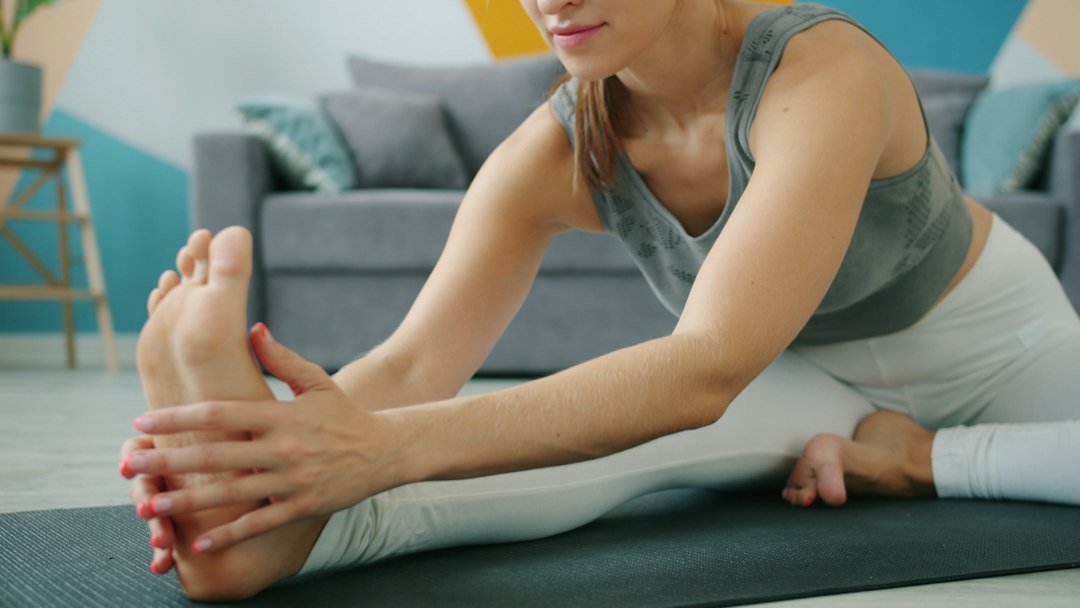
A common misconception is that how to build a habit of stretching every morning means committing to a long, difficult routine before breakfast. It does not. The most reliable way to build a habit of stretching every morning is to begin with a routine so small that you can do it even on rushed, low-energy weekdays, then protect the cue that reminds you to start. Start tiny.
For beginners, the goal is not to become flexible overnight or force your body into positions that feel impressive. It is to create a repeatable moment of gentle movement. Five minutes is enough. Once the habit feels ordinary, you can decide whether a longer session fits your life.
How to build a habit of stretching every morning
Choose one action you already do every morning, then place stretching immediately after it. This is often easier than relying on motivation because the existing action becomes your reminder. Keep it obvious. For example, you might stretch after turning off your alarm, brushing your teeth, starting the kettle, or putting on coffee.
Use a sentence that makes the plan specific: “After I start the kettle, I will do five minutes of gentle stretching beside the kitchen counter.” That detail matters because you have already decided when and where the habit happens, rather than negotiating with yourself while still half awake. Make it simple.
- Pick one daily cue that happens in roughly the same order each morning.
- Choose a minimum routine that takes two to five minutes.
- Set out any mat, blanket, or comfortable clothes the night before.
- Do the minimum version after your cue, even if you do nothing extra.
- Mark it on a calendar or habit tracker after you finish.
The minimum version is your backup plan, not a failure. On an easy morning, you may stretch for ten or fifteen minutes. On a chaotic morning, two minutes still keeps the promise alive and reinforces the identity of someone who makes room for a little movement. Consistency wins here.
Make the first routine almost too easy
Many new habits end because the starting version asks for too much planning, time, or energy. A beginner routine should feel manageable before you check your phone, answer messages, or make decisions for other people. Keep it gentle. You do not need special equipment, a matching set, or a perfect quiet room.
Try this five-minute sequence for the first two weeks, moving slowly and staying in a comfortable range rather than pushing toward a deeper position. Breathe normally. If any movement causes sharp pain, numbness, dizziness, or a worrying symptom, stop and seek guidance from a qualified health professional.
- Reach overhead: Stand or sit tall and reach both arms up for three calm breaths.
- Side bend: Reach one arm overhead and lean gently to the other side, then switch sides.
- Shoulder rolls: Roll your shoulders backward slowly five times.
- Forward fold: Hinge gently forward with soft knees and let your hands rest on your thighs, shins, or a counter.
- Calf stretch: Place your hands on a wall or counter, step one foot back, and pause before switching sides.
- Seated or standing twist: Turn gently to each side without forcing the movement.
You can shorten this further if needed. One reach, one side bend, and one calf stretch still count. I find that giving myself permission to stop after the minimum makes it much easier to begin, and I often continue naturally once I am moving.
Remove friction the night before
Morning willpower is unreliable, especially after a poor night of sleep or a packed day ahead. Reduce the number of choices between waking up and starting. Prepare the scene. Place your mat where you will see it, clear enough floor space, and keep water nearby if that helps you remember.
If a mat feels like one more thing to unroll, stretch beside your bed, at the bathroom counter, or while the kettle boils. The location does not need to look like a wellness studio. It only needs to be safe enough for you to move without tripping over laundry, bags, or furniture.
Consider your clothes too. If you usually sleep in restrictive clothing or leave for work quickly, choose a version you can do in pajamas or regular clothes. This lowers the threshold. Saving your stretching habit for the morning when everything is ideal usually means waiting for a morning that never arrives.
Use a cue you can actually notice
A cue works best when it is clear and already part of your day. “I will stretch sometime in the morning” is vague, so it leaves room for postponing until the day gets away from you. Be precise. Link the habit to one event that happens before other distractions take over.
- After I put both feet on the floor, I will do one overhead reach.
- After I brush my teeth, I will stretch for two minutes beside the sink.
- After I press start on the coffee maker, I will do my five-minute routine.
- After I feed the cat, I will do calf stretches at the counter.
Pick the cue that fits your real mornings, not your aspirational routine. If you hit snooze often, do not build the plan around a peaceful sunrise. Choose something dependable. You can also set a gentle phone reminder at first, but try to treat it as temporary support while the existing cue becomes familiar.
Track proof instead of chasing a streak
A simple visible record can make a new habit feel more real. Use a paper calendar, notes app, or small checkbox on your planner. Keep it light. The purpose is to notice that you showed up, not to judge how long you stretched or how flexible you felt.
Try recording only one of two marks: an M for your minimum routine or an E for extra time. This gives you useful information without turning the practice into a performance. At the end of each week, ask whether your cue worked and whether the routine was small enough to complete on busy days.
Missed mornings will happen. That is normal. A helpful rule is to avoid missing twice when you can, but do not turn one missed day into a reason to restart the whole project on Monday. Resume tomorrow. If mornings become unusually unpredictable, use a short reset stretch later that day and return to your normal cue the next morning.
Let comfort guide the routine
Stretching does not need to hurt to count. Aim for mild tension or a sense of opening, and ease off if you find yourself holding your breath, tensing your face, or bracing against the position. Slow down. Your body may feel different from one morning to the next, which is a good reason to keep your plan flexible.
Some people enjoy quiet, while others prefer a timer, soft music, or an audiobook playing in the background. That is personal preference, not a rule. I prefer a timer because it stops me from checking the clock, but a silent routine may suit you better if sound makes the morning feel rushed.
If you have an injury, recent surgery, persistent pain, a condition that affects mobility, or uncertainty about what movements are appropriate, ask a qualified clinician or physical therapist for individualized advice. General routines cannot account for every body. Getting clear guidance can make your practice feel safer and more useful.
Build a morning ritual you want to repeat
Pair stretching with something pleasant that does not make the habit complicated. You might open the curtains first, stand near a window, or make a warm drink afterward. Keep the reward immediate. The point is to help your brain associate the routine with a calm transition into the day rather than another task you must complete perfectly.
After two weeks, review the habit honestly. If you completed the minimum routine on most mornings, keep going or add one minute. If you skipped often, shrink it. A routine that takes ninety seconds and happens regularly is a stronger foundation than a twenty-minute plan that creates guilt.
The best morning stretching habit is the one that still works when life is ordinary and messy. Start with a clear cue, do the smallest useful version, and return without drama after missed days. That is enough.
Frequently asked questions
How long should beginners stretch every morning?
Start with two to five minutes. That is plenty for a habit-building phase. Once it feels automatic, you can extend the session gradually if you enjoy it and have time, but there is no requirement to make it longer.
Should I stretch before or after coffee?
Either can work. Choose the order that makes the routine easiest to repeat. If waiting for coffee gives you a useful five-minute window, stretch while it brews; if coffee helps you feel more awake, make stretching the next step.
What if I wake up stiff?
Begin slowly with comfortable movements such as shoulder rolls, an overhead reach, or a gentle walk around the room. Do not force a deep stretch first thing. If stiffness is severe, persistent, or comes with pain or other concerning symptoms, consult a qualified professional.
Can I build the habit without a yoga mat?
Yes. A mat is optional. Standing stretches at a wall, counter, or bedside can be enough, particularly when you are learning the routine and want fewer setup steps.
What should I do after missing a week?
Restart with the smallest version at your next usual cue. No catch-up session is required. Treat the return as practice, then make the routine easier if the previous version did not fit your current schedule.
Related posts
This article is for general informational purposes only and does not constitute medical or mental health advice. Self-care and mindfulness practices affect everyone differently — always consult a qualified professional for anxiety, sleep, mood, or any ongoing mental health concern.
Disclosure: This post may contain affiliate links. If you click through and make a purchase, we may earn a commission at no extra cost to you. We only recommend products we’ve researched or genuinely believe in.