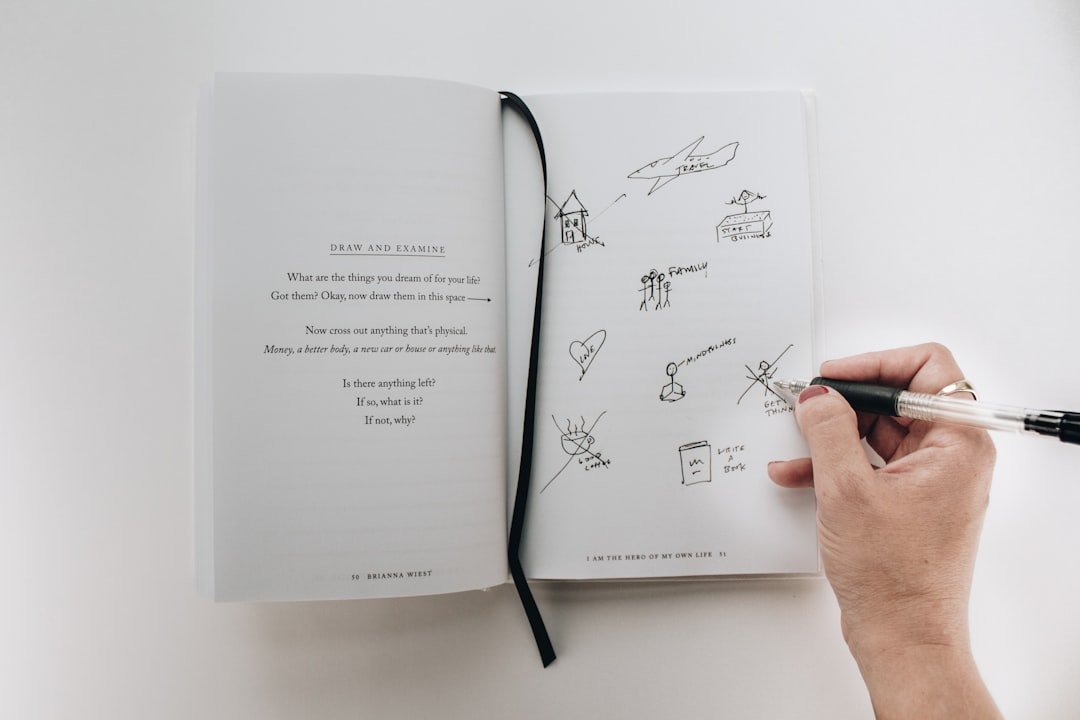
Start with one page: use these bullet journal ideas for mental health tracking to record your mood once a day for the next seven days. Keep it small. A simple check-in is easier to return to than a detailed spread you feel guilty about abandoning, and the notes can give you a clearer picture of what your days have felt like without asking your journal to diagnose or solve anything.
A bullet journal can be a private place to notice patterns in energy, emotions, habits, and stressful moments. It is not a test. I have found that the most useful pages are the ones that take under two minutes on an ordinary weekday, because a routine that fits a tired evening tends to last longer than a beautiful layout that needs perfect focus.
Bullet journal ideas for mental health tracking that stay simple
Choose one area to track first. Start there. Trying to monitor every feeling, meal, thought, task, and symptom at once can turn journaling into another demand, especially during a difficult week. Pick the question you genuinely want to answer, such as whether your mood changes around busy workdays or whether a short walk leaves you feeling more settled.
- Daily mood: Mark one number from 1 to 5, with a few words defining what each number means to you.
- Energy: Use a separate 1-to-5 scale if your energy and mood do not usually match. They often do not.
- Stress level: Add a dot, line, or number in the evening to show how stretched you felt.
- Sleep note: Record approximate hours and one word, such as restless, okay, or refreshed.
- Gentle support: Note one thing that helped, even if it was only taking a shower or texting someone back.
You do not need every item. One metric plus one sentence is enough. For example, write “Mood 2, energy 3, hard meeting, tea and a quiet bath helped.” After a couple of weeks, that small record may be more meaningful than a full page of forced reflection.
Mood tracking layouts that are easy to maintain
Mood tracking layouts work best when the symbols make immediate sense to you. Make them yours. You might use five colors, but a black-and-white key with different shapes works just as well if color coding feels like extra effort or makes your journal feel too exposed around other people.
The monthly grid
Draw a row for each day of the month and a small square beside it. Fill the square with your mood color or symbol at night. Leave the rest blank. This layout gives you a quick visual overview, and it can be useful when you want to look back without rereading private journal entries.
Keep the key plain and personal. For instance, yellow might mean light or content, green might mean steady, blue might mean low, and a striped square might mean overwhelmed. Avoid assigning moral value to the colors. A low day is information, not a failure.
The one-line daily log
Reserve one line per day in a weekly spread. Write the date, a mood score, and a brief context note. Use facts. A typical entry might read, “Tue, 3/5, drained after travel, felt better after an early night.”
This is my preferred layout for busy periods. It is forgiving. You can skip a day without creating a glaring blank page, and the short format reduces the urge to write a polished explanation for every emotion.
The feelings wheel check-in
Draw a small circle divided into six or eight sections, then label each section with emotions you commonly experience, such as calm, anxious, frustrated, lonely, hopeful, or numb. Shade the sections that fit that day. Keep it loose.
This layout can help when “fine” is your default answer. If the words feel too specific, use broader groups like pleasant, unpleasant, high energy, and low energy instead. The point is recognition, not precision.
The weekly pattern page
Use one page each week with four short prompts: “What felt heavy?” “What gave me relief?” “What do I need less of?” and “What is one realistic support for next week?” Write only a sentence under each. Stop there.
A weekly page creates a pause between noticing and reacting. It can also keep you from treating one hard Tuesday as proof that the entire week was bad, because you are looking at a wider slice of your actual experience.
Build a tracker you will actually use
Set up your first tracker in ten minutes. Use any notebook. You need a pen, a ruler if you like straight lines, and a decision to make the page useful rather than impressive.
- Choose a time for your check-in, such as after brushing your teeth or when you plug in your phone.
- Pick one rating scale. A 1-to-5 scale is usually enough.
- Write what each number means before you begin, using your own language.
- Add one optional context marker, such as poor sleep, social time, exercise, or a difficult workday.
- Review the page after seven days, then remove anything you did not use.
Here is a worked example. On a seven-day page, record mood from 1 to 5 and add an “S” when sleep felt poor. If four of your lower mood days also have an S beside them, you have a prompt for curiosity: “What was disrupting my sleep?” It does not prove a cause. It simply gives you a grounded question to take into your routines or, if needed, into a conversation with a qualified professional.
Use a low threshold for success. If you fill in four days out of seven, the tracker worked. Missing entries are normal, and a journal should not become evidence against you when life is already messy.
Prompts for reflection without overthinking
Tracking gives you dots and colors. Reflection gives those marks context. Still, you do not need to interrogate every feeling, and I would avoid writing prompts that push you to explain pain before you feel ready.
- What was the hardest moment today, in one sentence?
- When did I feel most like myself today?
- What did my body seem to ask for?
- What helped even a little?
- What can wait until tomorrow?
Choose one prompt at a time. Keep your answer brief. If a question makes you spiral, cross it out and replace it with something gentler, such as “What is one kind thing I can do before bed?”
Some people like a “brain dump” page beside their tracker. Write freely for five minutes, then close the notebook. A timer can help. The goal is to give thoughts somewhere to go, not to reach a neat conclusion before the timer ends.
When tracking starts to feel worse
Pause the tracker if it makes you judge yourself, obsess over numbers, or repeatedly relive upsetting events. That matters. A layout is meant to support awareness, not create a new way to monitor yourself harshly.
You can simplify by removing scores and recording only supportive actions, such as “ate lunch” or “went outside for ten minutes.” Another option is to track neutral observations, like weather, workload, or social plans, without labeling your emotional state every day. Personal preference matters here, and there is no prize for collecting more data.
If you are experiencing persistent low mood, intense anxiety, panic, thoughts of harming yourself, or trouble functioning in daily life, a journal is not enough support on its own. Please contact a qualified mental health professional or an appropriate urgent support service in your area. If you feel in immediate danger, contact local emergency services or a crisis line right away.
Frequently asked questions
How often should I track my mood?
Once daily is a practical starting point. Keep it easy. Evening works for many people because the day is mostly over, but a morning check-in may suit you if you want to notice how you wake up. Choose one time and try it for a week before changing the system.
What if my mood changes several times a day?
Use an average, or record the strongest feeling. Either is valid. You can also draw a small line across the day and mark a high and low point, but only add that detail if it feels useful rather than exhausting.
Should I use colors for mood tracking?
Colors can make patterns easy to scan, but they are optional. Keep it accessible. Symbols, letters, or numbered ratings are equally useful, especially if you travel, share a home, or do not want your journal’s meaning to be obvious at a glance.
How long should I keep a mental health tracker?
Try two to four weeks before deciding whether it helps. Then review it. Ask whether you noticed anything useful, whether the process felt manageable, and whether you want to keep, simplify, or stop the page. Your journal can change with your season of life.
Related posts
This article is for general informational purposes only and does not constitute medical or mental health advice. Self-care and mindfulness practices affect everyone differently — always consult a qualified professional for anxiety, sleep, mood, or any ongoing mental health concern.
Disclosure: This post may contain affiliate links. If you click through and make a purchase, we may earn a commission at no extra cost to you. We only recommend products we’ve researched or genuinely believe in.