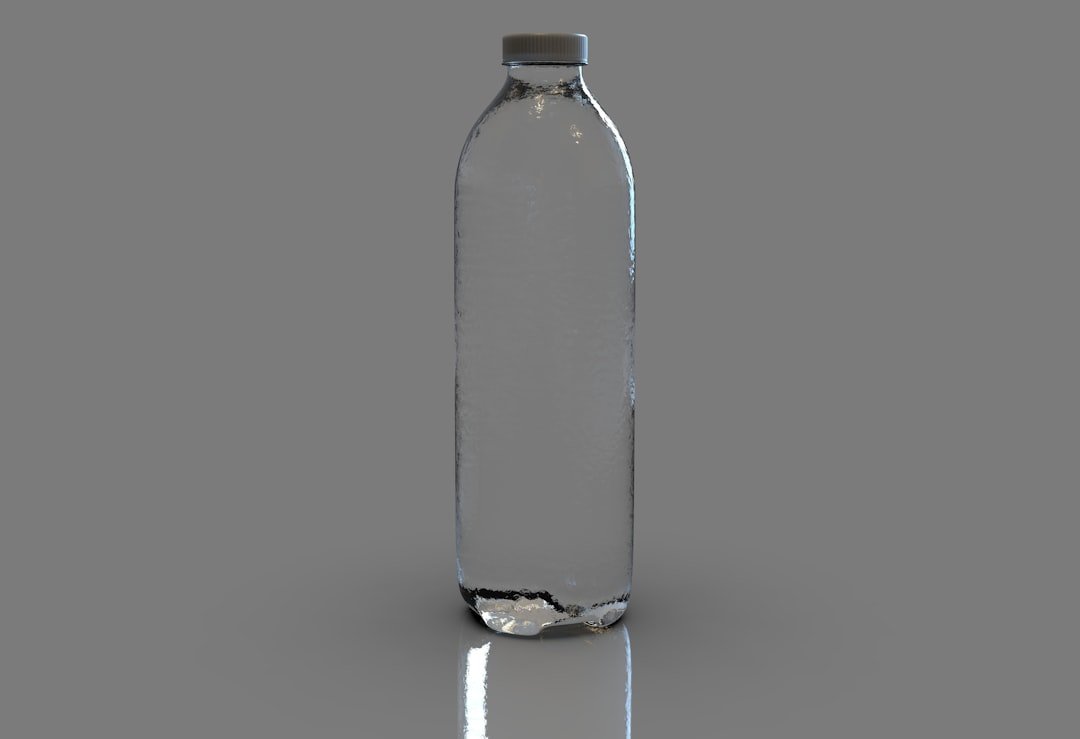
Fill a water bottle now and put it beside the place you will be for the next hour. Start there. If you are wondering how to drink more water daily habit after habit, the most useful shift is to stop treating water as a task you must remember and make it part of actions you already do. A visible, ready-to-drink bottle removes several tiny barriers at once: finding a glass, walking to the kitchen, deciding whether to refill it, then getting distracted.
How to drink more water daily habit without relying on motivation
A daily water habit works best when it has a clear cue, a small action, and an easy reward. Keep it small. For example, your cue might be opening your laptop, the action is taking five sips, and the reward is the quick pause before work begins. You do not need to feel thirsty, organized, or especially motivated for this to work because the cue carries the decision for you.
Pick one bottle or cup that you actually enjoy using. This matters. A bottle that leaks, feels awkward in your hand, has a straw you dislike, or is difficult to wash quietly adds friction that can derail a new routine even when your intentions are good. Choose a size that feels manageable to carry and simple to refill, then keep it in the same visible spot whenever possible.
Use simple daily reminders you already have
Alarms can help at first, but they are easy to dismiss when they appear in the middle of a meeting, commute, or focused task. Attach water to existing moments instead. These are called habit cues, and they are more useful when they happen most days at roughly the same point in your routine. Start with only two cues for a week so the plan feels light rather than like another system to maintain.
- After getting out of bed: drink a few sips before checking messages.
- When making coffee or tea: fill your bottle while the kettle heats or coffee brews.
- Before eating: take several comfortable sips while you prepare your meal.
- After using the bathroom: refill your glass if it is nearby.
- When you sit at your desk: place the bottle within arm’s reach before you begin.
Choose cues that fit your real day, not an ideal version of it. Be honest. If mornings are rushed, do not build your whole plan around a long morning ritual; use the moment you arrive at work, finish school drop-off, or settle onto the sofa instead. A cue is reliable when it is already happening, even on an ordinary messy Tuesday.
Make the first sip almost automatic
Keep water where your attention naturally lands. For many people, that means one bottle by the bed and another at a desk or in a bag, rather than one bottle that gets left in the kitchen all day. Seeing it often is a reminder. If you work in a shared space, put your bottle beside your keyboard or notebook instead of behind a monitor where it disappears.
Try the one-refill rule before setting an ambitious target. Begin with the bottle you have, drink it gradually, and refill it once at a predictable point in the day. That is enough to practice. Once this feels ordinary for seven to ten days, you can decide whether another refill or a larger bottle fits comfortably, based on your activity, weather, food, and personal health guidance.
Here is a simple worked example. Say you use a 20-ounce bottle: fill it when you start the day, aim to finish it around lunch, refill it with lunch, and take any additional drinks according to thirst and your day. No spreadsheet needed. The point is not to chase a universal number, because individual fluid needs vary and drinks and water-rich foods also contribute to your overall intake.
Make water more appealing without making it complicated
Temperature is often the issue. Some people naturally drink more when water is very cold, while others prefer room temperature because it feels easier to sip through the day. Test one change at a time for several days, such as adding ice or using an insulated cup, so you can notice what genuinely helps instead of buying a collection of bottles and gadgets.
If plain water feels boring, add a simple flavor you look forward to. Keep it easy. A squeeze of lemon, a few cucumber slices, or a splash of unsweetened flavor can make the habit feel less repetitive, though you do not need to flavor water for it to count. Wash bottles and reusable straws regularly, especially if you add fruit, since forgotten flavored water is unpleasant and can make you avoid the bottle entirely.
Do not turn every drink into a wellness project. Tea, sparkling water, and other beverages may fit your routine, but check labels if you are trying to limit sugar, caffeine, or other ingredients for personal reasons. Plain water is the simplest default. If carbonation leaves you uncomfortable, choose still water and move on rather than forcing a trend that does not suit you.
Plan for the places where the habit breaks
Most water routines fail in transitions: leaving home, driving, errands, meetings, travel, or an afternoon slump when the bottle is empty and the nearest refill point feels inconvenient. Plan those moments. Put a bottle beside your keys at night, refill before a call begins, or set a short calendar note just before the time you usually leave work. These reminders are practical because they arrive before the obstacle, not after you have already gone hours without noticing.
Make your reminder specific enough to act on. Instead of an alert that says drink water, try one that says fill bottle before leaving or take five sips after this meeting. Smaller language helps. It gives you a next step, and you can complete it in seconds without feeling as if you have failed a vague all-day goal.
When you miss a cue, avoid the urge to compensate by drinking a large amount quickly. Just restart. A missed morning is not evidence that you are bad at habits; it usually means the cue was hidden, the bottle was empty, or your schedule changed. Refill the bottle at the next natural pause and notice what got in the way, then adjust the setup rather than criticizing yourself.
Track the setup, not every ounce
For the first week, use a simple checkmark note on your phone or paper calendar for the behavior you are building: bottle filled in the morning, refill completed, or water placed at desk. Keep it brief. Tracking the setup gives you useful information without turning hydration into another number to manage, and it makes patterns easier to spot when weekends or busy days look different.
At the end of the week, ask one question: what made drinking water easiest? Perhaps the answer is a straw lid, colder water, a bottle by your laptop, or a refill tied to lunch. Keep that part. If something did not help, remove it without guilt, because a sustainable routine is usually a handful of low-effort choices repeated in an environment that supports them.
Pay attention to your body and your circumstances. Thirst, activity level, heat, pregnancy, medications, and health conditions can change what makes sense for you, and some people receive specific fluid guidance from a clinician. Individual needs differ. If you have a medical condition, take medicines that affect fluid balance, or are unsure about an appropriate amount of fluid, ask a qualified healthcare professional for personalized advice.
The goal is a dependable rhythm, not perfect hydration behavior every hour. Keep water visible, connect a few sips to daily cues, and refill before your usual transition points. Start today with one filled bottle. That small action is how a how to drink more water daily habit becomes something you do with less thought over time.
Related posts
This article is for general informational purposes only and does not constitute medical or mental health advice. Self-care and mindfulness practices affect everyone differently — always consult a qualified professional for anxiety, sleep, mood, or any ongoing mental health concern.
Disclosure: This post may contain affiliate links. If you click through and make a purchase, we may earn a commission at no extra cost to you. We only recommend products we’ve researched or genuinely believe in.