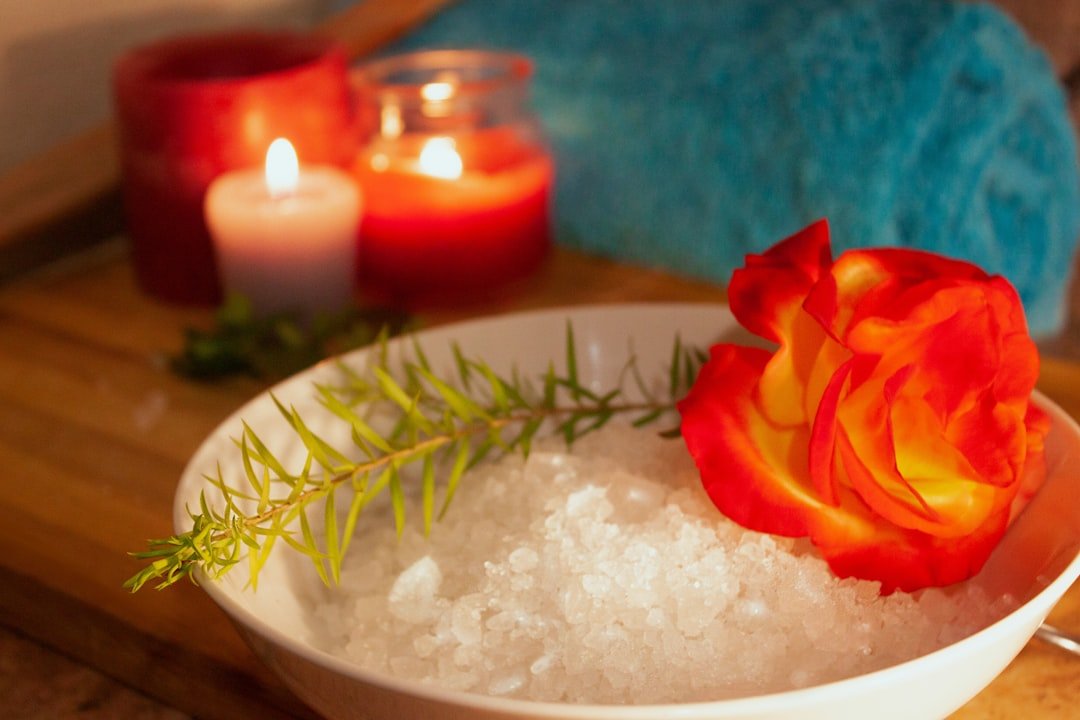
A common misconception is that how to do a spa night at home on a budget means buying a pile of mini products, candles, and matching robes. It does not. How to do a spa night at home on a budget is really about choosing a few comforting drugstore products, setting a time limit, and doing less than you think you need. Keep it simple. A warm shower, a clean towel, a basic moisturizer, and forty-five unrushed minutes can feel far more restorative than a complicated routine that leaves your bathroom crowded and your skin irritated.
Plan your budget before you shop
Give yourself a clear limit before you enter the store or fill an online cart. Twenty dollars is enough for a useful reset if you already have shampoo, towels, and a mug at home. Start there. If you have closer to thirty-five dollars, choose products you will use again during ordinary weeks rather than single-use items that disappear after one evening.
I tend to think in categories instead of buying a pre-made spa kit. It keeps the spending grounded. Choose one product for your body, one for your face, and one small comfort item, such as herbal tea or a bath soak, if your budget allows. That is plenty.
- Body: a body wash, bath salts, or a basic body lotion
- Face: a gentle cleanser, hydrating mask, or fragrance-free moisturizer
- Comfort: tea, a soft pair of socks, or a favorite snack
Read the labels you already own first. A lotion you like using after a shower counts. So does a cleanser that does not leave your skin feeling tight. The goal is not to create a perfect display. It is to make a pleasant evening with products that work for you.
Choose drugstore products with a purpose
Drugstore products can make your routine feel special without asking you to replace your entire bathroom shelf. Pick familiar basics. If your skin is sensitive, fragrance-free options are often the easier place to begin, especially for face products and anything you plan to leave on for more than a few minutes.
For a budget face routine, use a gentle cleanser, then apply a simple moisturizer or a hydrating mask if you already know your skin tolerates it. Skip the urge to stack exfoliating acids, scrubs, retinoids, and masks in one night. Your skin needs kindness. A spa night is usually a better time for comfort and hydration than for trying a strong new treatment.
A few affordable product types can cover most of the experience. Look for a creamy body wash if you enjoy showers, Epsom salts or bubble bath if you have a tub, a plain body lotion, lip balm, cotton pads, and a basic hand cream. Prices vary by region, so compare shelf labels and choose store brands when the ingredient list and texture appeal to you.
Patch test any new product first. Apply a small amount to a discreet area as directed on the package, then wait and watch for irritation. Do not use a product that burns, stings, or causes a rash. If you have a skin condition, frequent reactions, or a concern that goes beyond general self-care, ask a qualified healthcare professional for personal guidance.
Set up the room without buying decorations
The atmosphere matters, but it does not need a shopping trip. Start by clearing one visible surface near the sink or tub. This takes five minutes. Put out the products you chose, a clean washcloth, a towel, and a glass of water so you are not searching for things halfway through.
Use lighting you already have. Turn off harsh overhead lights if that feels better, and use a lamp in the next room or a battery-operated candle if you own one. Keep real candles away from towels, water, and anything flammable, and never leave them unattended. Safety first.
Sound can change the pace of the evening too. Put on a calm playlist, nature sounds, or complete quiet. Personal preference matters here. I find that quiet is more relaxing when my day has been noisy, while gentle music feels nicer when I am trying to stop thinking about my to-do list.
How to do a spa night at home on a budget step by step
Set aside forty-five to ninety minutes, depending on what is realistic for your evening. Put your phone on charge outside the bathroom if you can. That small boundary helps. You do not need to earn rest by finishing every task first.
- Make a warm drink or pour water. Choose something easy, then bring it with you before you begin. Hydration is useful after a warm bath or shower.
- Take a warm shower or bath. Use your regular body wash or add a small amount of bath product. Keep the water comfortably warm rather than very hot, since heat can leave some people feeling dry or lightheaded.
- Wash your face gently. Use lukewarm water and your usual cleanser. Pat dry. Do not scrub.
- Apply one face product. Use a hydrating mask, moisturizer, or sleeping mask that you already tolerate. One is enough.
- Care for hands and feet. Rub lotion or hand cream into your hands, heels, and cuticles. Put on socks afterward if you like the feeling.
- Moisturize your body slowly. Apply lotion to damp skin, especially elbows, knees, and shins. Take your time.
- Rest for ten quiet minutes. Sit somewhere comfortable, sip your drink, and let your products absorb before getting dressed for bed.
Try this simple twenty-dollar example if you are starting with very little: spend about six dollars on body lotion, five on a gentle face moisturizer, four on bath salts or a shower-friendly body wash, and five on tea or a snack. Use towels, a playlist, and a clean T-shirt you already own. Nothing has to match.
Make it feel restorative, not like another task
Keep the sequence short enough that you will actually repeat it. That matters. A two-hour routine might sound lovely, but a forty-minute version is often easier to fit into a normal week and less likely to become one more thing you feel behind on.
Give yourself one small intention for the evening. It can be as plain as, “Tonight I am not rushing.” Say it once while you apply lotion or wait for your tea to cool. You do not need to force a big emotional shift. The ritual is simply a chance to notice your body and slow the pace for a while.
Clean-up should be minimal. Put products back, hang up the towel, and leave the deeper bathroom cleaning for another day. I have learned that turning a relaxing ritual into a cleaning project ruins it for me. Your version may differ.
Common mistakes to skip
Buying too much is the biggest one. A drawer full of unopened masks rarely makes a night feel more peaceful. Choose products with repeat use, and save novelty purchases for a time when they genuinely fit your budget.
Avoid trying several active skincare products together, especially if they are new to you. Keep your regular routine. This is also not the ideal night for shaving, intense exfoliation, and a strong peel all at once, since that combination can leave skin feeling uncomfortable.
Finally, do not judge the experience by how polished it looks online. A spa night can happen in a small bathroom with mismatched towels and drugstore lotion. It still counts. The useful part is making a little room for your own care.
Frequently asked questions
Can I do a spa night at home without a bathtub?
Yes. A warm shower works beautifully. Use a body wash you enjoy, apply lotion afterward, moisturize your hands and feet, and make your bedroom or sofa area comfortable for the final ten minutes. A tub is optional.
What should I buy first for a cheap spa night?
Start with body lotion and a face moisturizer if you do not already have products you like. Those two items are useful beyond one evening. Add bath salts, a face mask, or tea only if the budget has room.
Can I use kitchen ingredients for a face mask?
I prefer using products made for facial skin, especially if you are prone to sensitivity. Food ingredients can be messy and may irritate some people. Keep it easy. A gentle moisturizer is often enough for a comforting at-home ritual.
How often can I have an at-home spa night?
A simple version can fit weekly or whenever you need a quiet evening, as long as you keep skincare gentle and follow product directions. More intense exfoliating treatments should be used only as directed on their packaging. Listen to your skin.
Related posts
This article is for general informational purposes only and does not constitute medical or mental health advice. Self-care and mindfulness practices affect everyone differently — always consult a qualified professional for anxiety, sleep, mood, or any ongoing mental health concern.
Disclosure: This post may contain affiliate links. If you click through and make a purchase, we may earn a commission at no extra cost to you. We only recommend products we’ve researched or genuinely believe in.