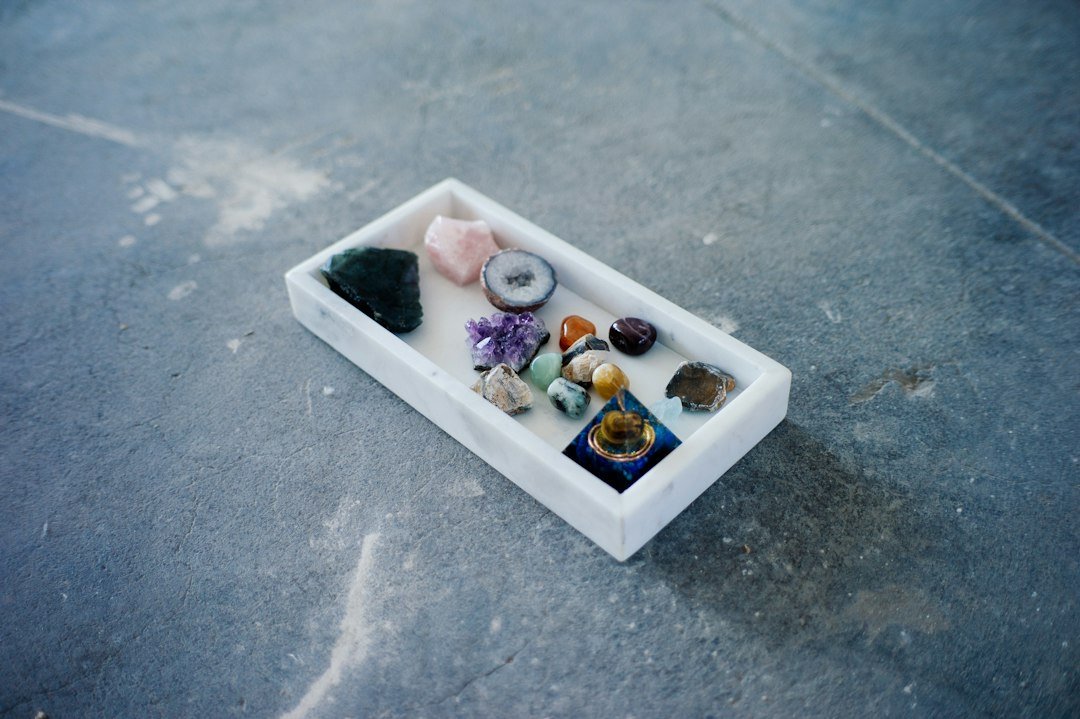
At the end of dinner, here is how to start a gratitude altar on the cleared counter: use a small tray and one meaningful object. It can be very simple. A gratitude altar is a dedicated spot that reminds you to pause and notice what feels supportive, comforting, or good in your life right now. You do not need a special room, expensive crystals, or a large collection of spiritual items to make it personal.
What a gratitude altar is for
A gratitude altar is a small physical space for reflection. It may sit on a bedside table, a bookshelf, a desk corner, or a kitchen counter that stays reasonably clear. Keep it visible. The point is not to create a perfect display that you worry about disturbing. It is to make a small visual cue for a practice you want to return to.
You can approach this as spiritual, secular, religious, or simply calming. Your altar might hold a photo of someone you love, a smooth stone from a holiday, a handwritten note, or a candle you light during quiet moments. Meaning matters most. If an item brings up pressure, sadness, or an obligation to feel cheerful, it does not belong there right now.
Gratitude does not require pretending hard things are easy. Some days, the only thing you may want to acknowledge is clean water, a warm shower, or the fact that you made it through a difficult afternoon. That still counts. A small practice can make room for both appreciation and honesty without demanding a certain mood.
How to start a gratitude altar with a simple setup at home
Begin with a surface you already use or pass often. A tray, shallow bowl, small plate, or folded cloth can define the altar without taking over your home. Start small. Aim for enough room to place one object and a note without crowding the area.
- Choose a location you will notice. Pick a stable, low-clutter spot that feels private enough for you. A bedside table works well for an evening pause, while a desk shelf may suit a morning routine. Avoid a place that needs to stay empty for daily tasks.
- Set a boundary for the space. Place a tray, dish, or cloth on the surface. This creates a clear edge and makes cleaning easier. No special item is required.
- Add one anchor object. Choose something that helps you slow down when you see it, such as a small stone, shell, candle holder, or meaningful photograph. Start with one. You can add more later if it still feels calm rather than cluttered.
- Include a place for written gratitude. Put a small notebook, stack of paper, or a jar beside the anchor object. You might write one sentence, such as “I appreciated the quiet walk home today.” Keep the wording ordinary and specific.
- Create a tiny ritual. Decide what you will do when you visit the altar. For example, take one slow breath, touch the anchor object, and name one thing you are grateful for. Two minutes is enough.
If you use a candle, treat fire safety as the priority. Keep it away from paper, fabric, pets, and busy household traffic, and never leave it unattended. A battery-operated candle is a practical alternative. Simple is safer.
What to put on your altar
Use objects that connect to your own memories, values, or present season. There are no required items. A gratitude altar can be quiet and minimal, especially if visual clutter makes it harder for you to settle.
- A photo, postcard, or nature image that reminds you of connection
- A small natural object, such as a pebble, leaf, or shell
- A written note with a current gratitude or intention
- A candle or small lamp for a gentle evening cue
- A meaningful item connected to family, faith, creativity, or a place you love
Choose with care. Some people like symbolic objects, while others prefer a notebook and a glass of water. Both are valid. Your setup should feel like an invitation rather than another task to maintain.
Make the habit realistic
The most useful routine is usually the one that fits an existing part of your day. Pair your altar visit with something that already happens, such as making tea, putting on pajamas, or closing your laptop after work. Keep the action tiny. A consistent thirty-second pause may be easier to keep than a detailed ritual you only do once a month.
Try this for seven days: visit the altar at roughly the same time, take one breath, and write down one specific thing you noticed or received that day. It might be a helpful message, a meal you enjoyed, or five quiet minutes alone. Be concrete. Specific details often feel more believable than broad statements like “I am grateful for everything.”
There will be missed days. That is normal. Do not turn the altar into a scorecard or use it to judge whether you are grateful enough. Return when you remember. The object is gentle attention, not perfect consistency.
Refresh the space when it stops feeling useful
An altar can change with your life. Once a week or once a month, remove dust, recycle old notes if you want to, and consider whether each object still has meaning. A clear space is easier to approach. You may wish to keep a few notes in a separate envelope rather than displaying every one.
Notice your response when you look at it. If the altar feels crowded, reduce it to one object and a notebook. If it feels invisible, move it somewhere you naturally pause. Personal preference matters here. There is no correct visual style or required level of ritual.
You can also set it aside entirely during a difficult season. Gratitude practices are optional wellness habits, not a replacement for support when life feels overwhelming. If persistent anxiety, low mood, sleep problems, grief, or distress is affecting daily life, reach out to a qualified mental health professional or healthcare provider.
Frequently asked questions
Do I need spiritual supplies to make a gratitude altar?
No. A small dish, a note card, and a meaningful everyday object are enough. Start with what you have. Buying items is optional, and a simpler setup may make the practice easier to sustain.
Where should I put a gratitude altar in a small home?
Choose a spot you see regularly that will not interfere with daily life. A corner of a dresser, one shelf, or a tray that you bring out during tea can work well. Keep it compact. A portable tray is useful if you share space with others.
How often should I use it?
Try once a day or a few times a week, depending on your routine. There is no required schedule. A brief visit after dinner may feel more natural than trying to create extra time in a busy morning.
What if I cannot think of anything to be grateful for?
Do not force it. You can name something neutral, such as a chair supporting you, clean sheets, or a moment when you paused. On harder days, simply sit beside the altar and take a breath. That is enough.
Can a gratitude altar include religious items?
Yes, if that feels right for your beliefs and home. It can also contain no religious items at all. Make choices that respect your own tradition, values, and comfort level.
Related posts
This article is for general informational purposes only and does not constitute medical or mental health advice. Self-care and mindfulness practices affect everyone differently — always consult a qualified professional for anxiety, sleep, mood, or any ongoing mental health concern.
Disclosure: This post may contain affiliate links. If you click through and make a purchase, we may earn a commission at no extra cost to you. We only recommend products we’ve researched or genuinely believe in.