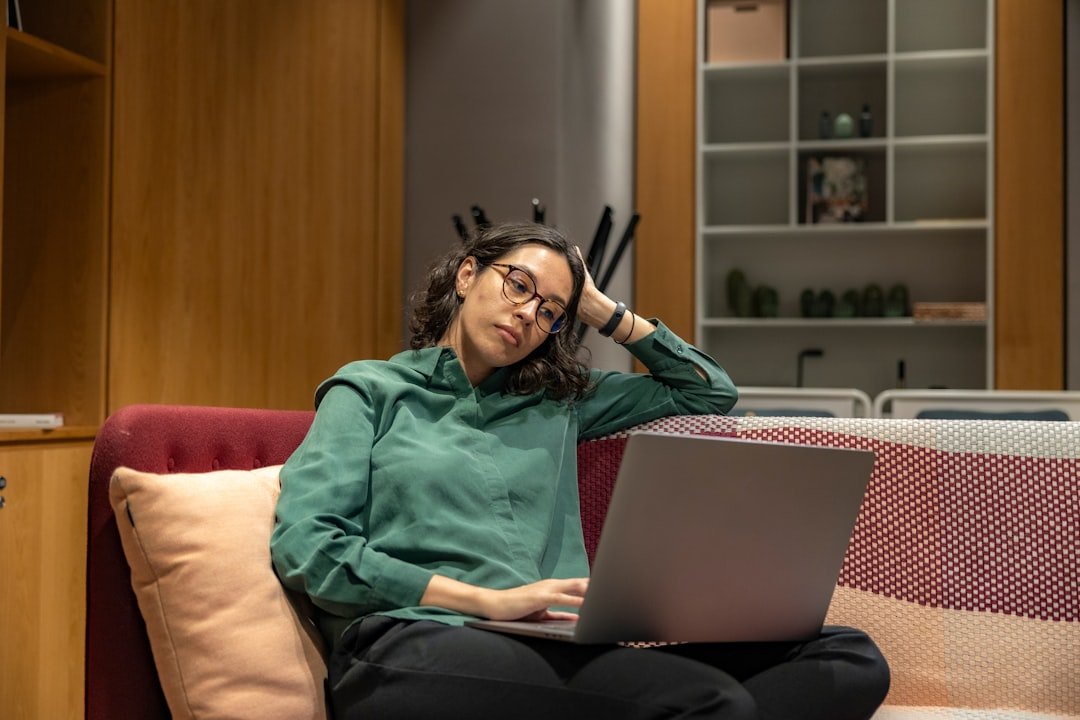
You already know scrolling doesn’t help. Your stress relief routines after work need to rewire what your body does the moment you leave your desk, not extend the same screen fatigue into your personal time. The good news: stress relief routines after work that genuinely work don’t require apps, subscriptions, or complicated equipment. They require intention and a clear transition ritual that tells your nervous system the workday is actually over.
Why Your Current Wind-Down Isn’t Working
Most people don’t realize their stress relief routines after work fail because they’re just smaller versions of work itself. Checking email one last time. Scrolling industry news. Responding to messages you meant to ignore. You’d think keeping your brain engaged helps you decompress—it usually doesn’t. Your nervous system needs a genuine pause, not a lower-intensity continuation of the same mental state.
The transition from work to home is the most critical 30 minutes of your day.
When you build stress relief routines after work with intention, your cortisol actually drops. Your shoulders stop living near your ears. Sleep improves. But first you have to stop treating your evening like Act Two of your job.
| Current Evening Habit | What It Actually Does | What Your Body Needs Instead |
|---|---|---|
| Checking your phone for messages | Keeps your nervous system in alert mode | A physical pause that signals safety |
| Thinking through tomorrow’s meetings | Prevents your brain from shifting gears | Deliberate mental closure or written capture |
| Eating while scrolling | Disconnects you from hunger and satisfaction cues | Sensory presence with food or ritual |
| Jumping straight into household tasks | Extends your productivity pressure into free time | A buffer zone between roles |
The 4-Step Transition Protocol for Stress Relief Routines After Work
I’ve been doing this for years, and watching women implement this exact sequence has changed how they describe their evenings. Not someday. Not when things calm down. Immediately.
Condition: You’re leaving work—physically or mentally—and need to signal to your body that the performance mode is complete.
Audience: Women who work full-time or are self-employed and struggle to stop working mentally when the day ends.
Method: A deliberate 20–30 minute transition using breath, movement, sensory reset, and either journaling or meditation to close the workday container before your personal evening begins.
Here are the four steps:
- The first five minutes: breathwork that signals a gear shift. Box breathing (in for four, hold four, out for four, hold four) or extended exhale breathing literally calms your nervous system. Not tomorrow. Now. Do this in your car, on the commute, or the moment you enter your home.
- Movement for five to ten minutes. Not exercise. Not performance. A walk around the block, gentle stretching, or dancing to one song in your living room. Your body needs to discharge the tension it’s been holding.
- A sensory reset: tea, a shower, or changing into clothes that feel completely different from what you wore to work. This is deliberate and present, not rushed.
- A container closure: five to ten minutes of either journaling three things that happened today or a guided meditation. This tells your brain the day has an ending, not just a pause.
Here’s where most people give up: they skip the first and fourth steps because they feel optional. They’re not. The breathing and closure are what make stress relief routines after work actually interrupt your stress cycle instead of just delay it.
Daily Checklist: Build Your Stress Relief Routine Starting Today
- Set a phone reminder for the exact time you leave work or close your laptop—before you do anything else
- Pick one breathwork method and practice it three times during the day before you need it that evening
- Identify a movement you actually enjoy, not one you think you should do
- Choose either a journal, a meditation app you’ll actually open, or a specific playlist that signals the shift
- Test your full routine once this week and time yourself to see where you naturally pause or rush
- Notice if you reach for your phone during the transition and gently redirect without judgment
- After three days, evaluate what stuck and what felt forced—adjust immediately
The Real Reason Meditation and Breathwork Actually Work
Breathing isn’t mystical. Extended exhale breathing activates your parasympathetic nervous system—the part that means rest is actually safe. When you inhale longer than you exhale, you stay in activation. When exhale is longer, your body knows to calm down. This isn’t philosophy. This is neurology.
I’ve seen so many women think they’re bad at meditation because their mind won’t stop. That’s literally not how meditation works. Your job is to notice the thought, let it pass, return to breath. Not to achieve blankness. Most people quit because they expect the wrong outcome.
Meditation is a muscle, not an emotion. Use it consistently in your stress relief routines after work and you’ll actually notice the difference in your sleep and mood within a week. Two weeks if you’re highly stressed. Never longer than that.
My Picks for This
- Insight Timer: Thousands of free guided meditations and breathwork sessions designed specifically for work stress and nervous system reset with no app subscription required.
- The Five Minute Journal: A structured physical journal that takes exactly five minutes and ends each day with a container-closure question that most people actually answer instead of abandoning.
- Muse Headband: A real-time biofeedback device that shows you when your mind is active versus calm during meditation, removing the guesswork from whether your practice is working.
- Papier Wellness Notebook: A beautiful, undated journal designed specifically for emotional processing and mindfulness check-ins that feels intentional every time you open it.
- Calm: Guided meditations and sleep stories that specifically target work anxiety and evening decompression with options from 5 to 30 minutes depending on your energy that day.
Frequently Asked Questions (FAQ)
Q1. How long until stress relief routines after work actually feel normal instead of forced?
Most people need three to seven days of consistent practice before the routine stops feeling like another task. By day ten, it actually becomes the thing you look forward to. Consistency matters more than perfection—a five-minute version you actually do beats a thirty-minute ideal you skip.
Q2. What if I work from home and can’t physically leave my workspace?
Create a micro-transition: close your laptop, change your location (even to a different room), change your clothes, and do your breathwork in a different chair. Your nervous system responds to the signal of transition more than the physical distance. I’ve been doing this for years with clients who work entirely from home and the ritual works just as well as a commute.
Q3. Can I do my stress relief routine while cooking dinner or with my family around?
Not effectively. Your transition needs to be solo and protected, even if it’s only fifteen minutes. Tell your family or housemates this is your non-negotiable transition time. When you actually have it, you’ll show up better for them afterward—less reactive, more present. This isn’t selfish. It’s necessary.
Q4. What if I don’t like meditation or journaling?
Then don’t force it. Your stress relief routines after work need to include breathwork and movement because those address the physiological stress response—but the container closure can be a walk where you deliberately reflect, a conversation with someone you trust, or even a creative activity like drawing or writing. The form matters less than the intention of closing the day mentally.
Q5. Is there a best time to start this routine if I don’t commute?
The moment you finish work. Not after you check email one more time or make dinner. Your nervous system needs the reset to happen while the work stress is still fresh—that’s when it’s most effective. After about an hour, your body has already started carrying that tension into your evening as your new baseline.
Q6. Will these stress relief routines after work help my sleep?
Yes, significantly, but usually only if you do them at least ninety minutes before bed. A sudden shift to relaxation right before sleep can sometimes feel disorienting. Building the routine earlier in your evening gives your nervous system time to stay regulated before you actually try to sleep.
This post is intended for informational purposes only and does not constitute medical or mental health advice. Always consult a qualified professional for personal health concerns.