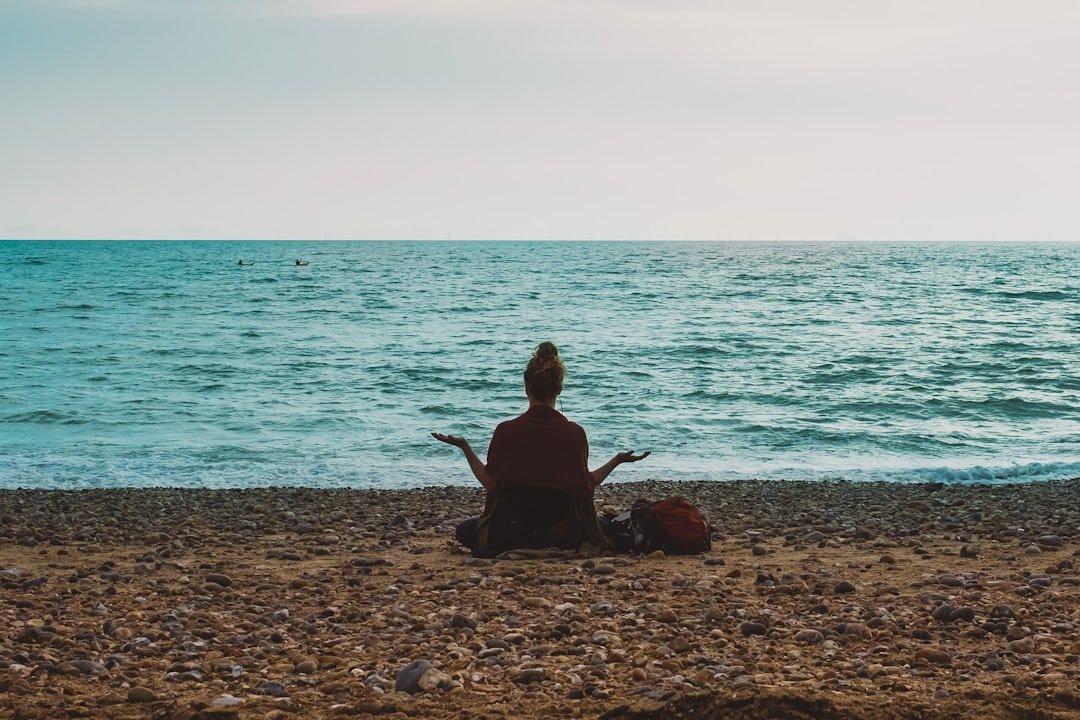
A common misconception is that meditation only counts if you sit still for 30 minutes or more. It does count in five minutes. How long should you meditate each day depends on your experience, your schedule, and what helps you return tomorrow. For most people, a short daily practice is a better starting point than an ambitious routine that disappears after four days.
If you are new, aim for 5 to 10 minutes a day. If you already meditate comfortably, 15 to 30 minutes may fit well. Some experienced people choose longer sessions, but more time is not automatically better. A practice that leaves you tense, restless, or resentful is asking too much right now.
I learned this the hard way. I used to decide that a “real” meditation practice meant 20 minutes every morning. Then I would skip it whenever I woke up late. Five quiet minutes after coffee became much more useful because I actually did it. The goal was not an impressive streak. It was making a little room to notice what was happening in my mind.
How long should you meditate each day for your experience level?
There is no universal daily number. Still, a simple range can remove the guesswork.
- Complete beginners: Start with 3 to 5 minutes daily for one or two weeks.
- Beginners building consistency: Try 5 to 10 minutes daily.
- Regular meditators: Fifteen to 20 minutes is a common, manageable length.
- Advanced or long-term practitioners: Twenty to 45 minutes may feel appropriate, sometimes split into two sessions.
These are guideposts, not grades. A person who practices five minutes most days may get more out of it than someone who forces 40 minutes once a week. Meditation is partly the skill of returning. You return to the breath, to sound, to body sensations, or to a chosen phrase. You also return to the practice after an imperfect day.
For beginners, shorter sessions make it easier to learn the basic move: noticing that attention wandered and gently coming back. That moment is not failure. It is the practice itself. If your mind races through a five-minute sit, you have still had five minutes of noticing a racing mind.
Start smaller than you think you need
Pick a session length that feels almost too easy. Three minutes can be enough when your routine is new, your life is busy, or sitting quietly feels unfamiliar. Set a gentle timer, sit in a chair or on a cushion, and place your attention on the feeling of breathing. When thoughts pull you away, silently label it “thinking” if that helps, then return to the next breath.
Do this for seven days before deciding it is too short. Many people change the routine too quickly. They add time after one good session, then hit a difficult day and conclude they are bad at meditation. A steadier approach is to keep the same short duration until beginning feels normal.
If you want a concrete progression, stay at five minutes for two weeks. Move to seven or eight minutes if you are completing most sessions without dreading them. After another couple of weeks, try 10 minutes. There is no prize for increasing on a fixed calendar. Keep the length where it supports the habit.
One useful test is this: can you make room for the practice on an ordinary Tuesday? Not your ideal morning. Your actual morning, with messages, laundry, work, and a low battery. If the answer is no, reduce the time. A two-minute pause is still a deliberate pause.
Beginners versus advanced meditators
“Advanced” does not have to mean someone who can sit cross-legged for an hour without thinking. It often means someone who has practiced long enough to know their patterns and can stay with a method for longer. They may also have guidance from a teacher, follow a tradition, or use retreats and longer sits as part of a wider practice.
For a beginner, 5 to 10 minutes usually gives enough time to settle without turning the session into a battle with the clock. You may spend much of that time distracted. Completely normal. You are learning how the mind moves.
At 15 to 20 minutes, regular meditators often have more space to pass the restless opening minutes and settle into the technique. That does not mean every sit feels calm. Some days feel scattered regardless of experience.
Longer practice can make sense when it feels sustainable and you have a clear reason for it. Perhaps you enjoy a 25-minute body scan on weekends, or a morning and evening 15-minute practice gives your day a helpful rhythm. Splitting time can be easier than one long sit. Ten minutes in the morning and 10 at night is still 20 minutes of practice.
Longer is not always the wise choice, though. If you are exhausted, caring for young children, traveling, or dealing with a demanding season, your established 20-minute habit may need to become five minutes for a while. I think of that as adjusting the container, not abandoning the practice.
Choose a length that matches your goal
Your intention can help determine the duration. If you want a brief transition before work, five minutes of breath awareness may be plenty. If you want to develop more familiarity with a particular meditation method, 10 to 20 minutes gives you more repetition. If meditation is part of a reflective morning ritual, you may prefer a longer session when time allows.
Be careful about treating meditation like a productivity tool that must produce a certain mood. Some sessions feel peaceful. Others reveal worry, boredom, irritation, or sadness that was already present. You do not need to solve those feelings during the sit. Notice what is there, then return to a simple anchor.
Breath awareness is common, but it is not the only option. You might focus on sounds, repeat a neutral phrase, observe physical contact points, or follow a guided practice. The best duration is partly the one that lets you stay kind and attentive with the method you chose.
Signs to increase or reduce your meditation time
Consider adding a few minutes when you are regularly finishing your sessions, you feel curious rather than pressured, and the practice fits your day without pushing out sleep or basic needs. Add only two to five minutes at a time. A gradual increase is easier to judge.
Reduce the time when you repeatedly avoid sitting, spend the entire session checking the timer, or leave feeling more wound up than when you began. One difficult session is not a warning sign by itself. Meditation can be uncomfortable because stillness makes ordinary mental noise more noticeable. Look for a pattern over several sessions.
Stop or change the practice if it consistently brings up intense distress, panic, dissociation, traumatic memories, or a feeling of being unsafe. Try orienting to the room with your eyes open, place both feet on the floor, or take a break. For anxiety, trauma, mood concerns, sleep problems, or any ongoing mental health issue, a qualified mental health professional can help you decide what support and practices are appropriate.
Make daily meditation easier to keep
Attach meditation to something you already do. Sit for five minutes after brushing your teeth, before opening social media, or once you have parked at work. A reliable cue removes some of the daily debate.
Lower the setup friction. Keep a chair clear, use the same corner of a room, and put headphones nearby if guided meditations help you. You do not need special clothes, a silent house, or a perfect posture. Sitting upright enough to stay awake is usually enough. Lying down is fine if that is comfortable, though many people find it turns into a nap.
Use a timer that ends softly, then decide what happens after the bell. I like one normal breath before standing up. That tiny ending prevents meditation from feeling like another task I rush through.
It also helps to define the minimum version of your routine. On a full day, that might be three slow breaths while sitting on the edge of the bed. This is not the same as a longer formal session, but it protects the identity of someone who pauses and pays attention.
FAQ
Is 5 minutes of meditation enough?
Yes. Five minutes is enough to practice directing attention and noticing when your mind wanders. It is a particularly good length when you are starting or rebuilding consistency. You can extend it later if you want more time.
Should I meditate once or twice a day?
Once a day is plenty for most people. Two short sessions can work well if you enjoy a reset in the morning and another transition later in the day. Choose the schedule you can maintain without turning it into a burden.
What if I cannot focus during meditation?
You do not need perfect focus. Notice the distraction, then come back to your anchor without scolding yourself. If a session feels impossible, shorten it, try an eyes-open practice, or use a simple guided meditation.
Can I meditate for too long?
Long sessions are not necessary for everyday wellness, and they are not suitable for everyone. If increasing time repeatedly makes you distressed or disconnected, scale back and seek qualified support if the feeling continues. A shorter practice is a valid practice.
How many days a week should I meditate?
Daily practice can make the habit easier to remember, even when sessions are brief. If daily is unrealistic, choose a repeatable schedule such as four days a week. Regularity matters more than a perfect record.
The practical answer is simple: begin with five minutes, keep it easy long enough to become familiar, and add time only when it genuinely fits your life. Your meditation does not need to look serious to be sincere.
Related posts
This article is for general informational purposes only and does not constitute medical or mental health advice. Self-care and mindfulness practices affect everyone differently — always consult a qualified professional for anxiety, sleep, mood, or any ongoing mental health concern.
Disclosure: This post may contain affiliate links. If you click through and make a purchase, we may earn a commission at no extra cost to you. We only recommend products we’ve researched or genuinely believe in.