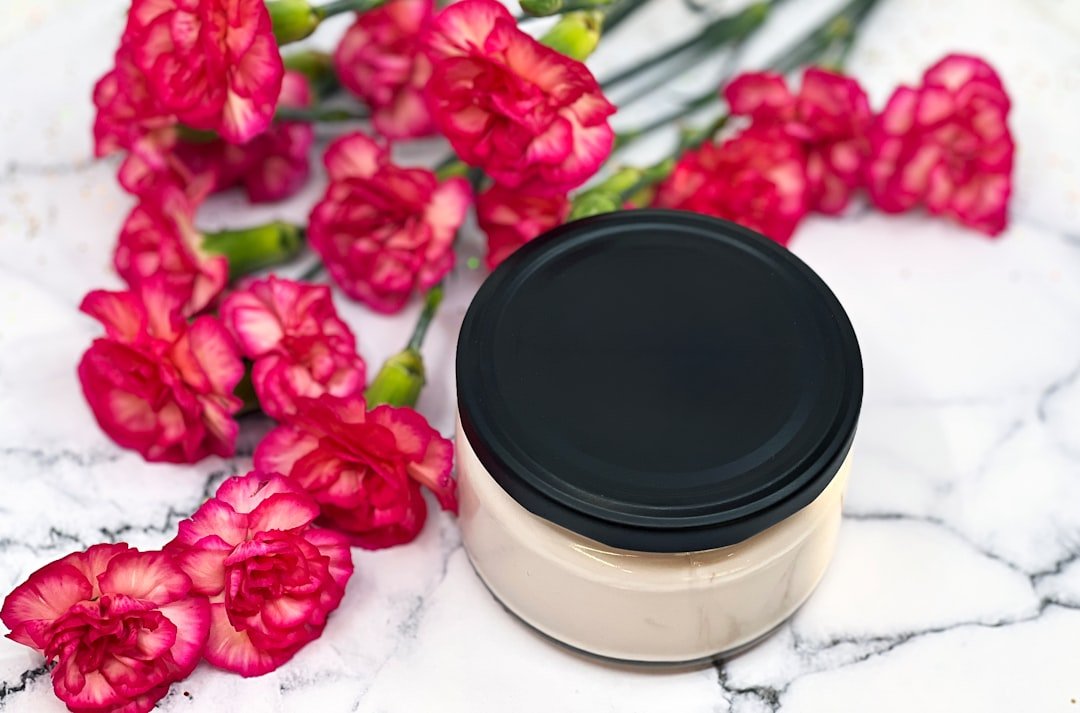
It is 4:40 p.m., your inbox is still open, and how to make a self-care jar is suddenly a useful question because choosing one small comfort can feel easier than planning an entire evening. Keep it simple. A self-care jar holds written prompts for gentle actions you can choose when stress makes decision-making feel hard, and learning how to make a self-care jar takes less than an hour with supplies you may already have.
The goal is not to build a perfect routine or force yourself into a better mood. It is a pause button. Your jar gives you a short list of realistic options before you default to scrolling, skipping dinner, or replaying a difficult conversation for the tenth time.
How to make a self-care jar for stressful days
Start with a container that feels easy to reach for, rather than something so precious that you hesitate to use it. A clean glass jar works well, but a mug, small bowl, envelope, or lidded box can work just as well. Use what you have. The point is to create a visible home for choices that support you during stressful days.
Gather paper, a pen, and your container. Cut the paper into slips large enough to read without squinting. Keep them plain if that makes this project more likely to happen today. If decorating a jar feels calming, add a label, ribbon, or a few stickers, but skip it if it turns into another task on your list.
- Choose your container. Put it somewhere you will see it, such as beside the kettle, on a bookshelf, or near your bed.
- Set a realistic time limit. Ten minutes is enough to make a useful first version.
- Write 15 to 25 prompt slips. Include options for different energy levels and different amounts of available time.
- Fold the slips once. Mix them up, then place them in the jar.
- Make a simple use rule. Draw one slip, read it, and decide whether it fits your situation before doing it.
Start small. A jar with 18 prompts you might genuinely use is more helpful than one with 60 activities that sound lovely but feel impossible on a hard day. This is where personal preference matters most, because a long bath may be restorative for one person and completely impractical for someone sharing a bathroom, caring for children, or running late.
Choose prompts that match your real life
Good self-care jar prompts are specific, low-cost, and flexible enough for ordinary weekdays. Avoid vague slips such as “relax” or “be positive.” They ask too much of you. Instead, write the smallest clear action you can picture yourself completing when your patience is thin and your energy is low.
Consider your available time before filling the jar. A prompt that takes two minutes can be genuinely useful when you are between meetings, while a 30-minute prompt may fit better after dinner or on a weekend. Mark the corner of each slip with a time estimate if choosing based on capacity helps you.
| Prompt type | When it may fit | Example slip |
|---|---|---|
| Two-minute reset | You feel rushed or overstimulated | Drink a glass of water by a window |
| Body comfort | You notice tension or restlessness | Put on warm socks and stretch your shoulders |
| Home reset | Your surroundings feel distracting | Clear one small surface for five minutes |
| Connection | You want support but do not know how to ask | Send one honest text: “Today feels full” |
| Quiet attention | You need a little less input | Set a timer and sit without your phone |
There is no need to include every category. Your jar should reflect what actually steadies you. For some people, practical prompts such as packing tomorrow’s lunch or putting clean sheets on the bed feel more caring than spa-style ideas, especially when a small completed task creates a little breathing room.
Ideas to put in your jar
Write prompts in language that feels kind but direct. “Make tea and drink it sitting down” is clearer than “practice mindfulness.” Be concrete. The fewer choices a slip creates, the easier it is to use when your mind is already busy.
- Step outside for five slow breaths.
- Wash your face with cool water.
- Play one song without multitasking.
- Make a snack with protein and carbohydrates.
- Put your phone in another room for ten minutes.
- Write down the next single task, then stop planning.
- Take a shower or change into comfortable clothes.
- Read two pages of a book you already enjoy.
- Do a five-minute tidy in one contained area.
- Place a hand on your chest and name what feels difficult.
- Light a candle only if you can stay nearby.
- Look at something outside for three minutes.
- Make a short “not today” list for non-urgent tasks.
- Use a lotion or hand cream you like.
- Prepare tomorrow’s coffee or breakfast.
- Send a voice note to someone safe.
A few prompts can invite reflection, but avoid turning every slip into emotional homework. Keep the balance practical. For example, “Write one thing that went okay today” can be gentle, while “Explain all your feelings in a journal” may feel like too much on a stressful Tuesday.
You can also make several colors of slips if visual sorting makes the jar easier to use. Blue might mean a five-minute prompt, while yellow means an activity that costs nothing. Keep the system light. If you need to remember a complicated color code, the jar is probably doing more work than it needs to do.
Build in choice without making it complicated
Drawing one random prompt is useful when you are stuck, but it should never feel like an order. You are allowed to put a slip back. If you draw “go for a walk” when it is dark, raining, or you simply do not have the energy, choose another card or adapt it to “stand by an open window for two minutes.”
One practical rule is to draw up to three slips, then choose the least demanding one that still feels supportive. That limit prevents the jar from becoming another source of overthinking. It also respects the reality that stressful days can leave very little capacity for optional tasks, even ones that are meant to feel good.
Try keeping a few “minimum effort” prompts in the jar for days when everything feels like a lot. Examples include drinking water, putting both feet on the floor, opening a curtain, or taking medication that you have already been prescribed as directed. Tiny counts. A small action does not need to look impressive to be useful.
Make the jar easy to return to
Use your self-care jar when you notice an early stress signal, rather than waiting until you feel completely depleted. That signal may be rereading the same message, snapping at minor interruptions, or feeling unable to choose what to do next. Notice the pattern. Your jar can become a familiar interruption between that moment and an automatic habit that leaves you feeling worse.
Place it where the stress usually happens. If evenings are difficult, keep it near the sofa or kettle. If workdays feel intense, place a small version beside your desk, provided that location feels private enough. A visible jar works as a reminder, while a hidden one may suit you better if you share space and prefer your self-care practices to stay personal.
Review the slips after two or three weeks. Remove anything you repeatedly avoid, resent, or cannot realistically do. Add prompts that you found yourself wishing were there. Your needs change with work schedules, seasons, caregiving, finances, and energy, so the jar is allowed to change too.
When a jar is not enough
A self-care jar can support a small pause, but it is not a replacement for care when stress feels constant, overwhelming, or difficult to manage alone. Reach out. Consider speaking with a qualified mental health professional or your healthcare provider if anxiety, low mood, sleep problems, panic, or distress is affecting daily life, relationships, work, or your ability to care for yourself.
If you feel at immediate risk of harming yourself or someone else, contact local emergency services or a crisis support service in your area right away. Your jar can wait. On ordinary stressful days, though, one folded piece of paper can offer a gentle next step when you do not have the bandwidth to invent one yourself.
Related posts
This article is for general informational purposes only and does not constitute medical or mental health advice. Self-care and mindfulness practices affect everyone differently — always consult a qualified professional for anxiety, sleep, mood, or any ongoing mental health concern.
Disclosure: This post may contain affiliate links. If you click through and make a purchase, we may earn a commission at no extra cost to you. We only recommend products we’ve researched or genuinely believe in.