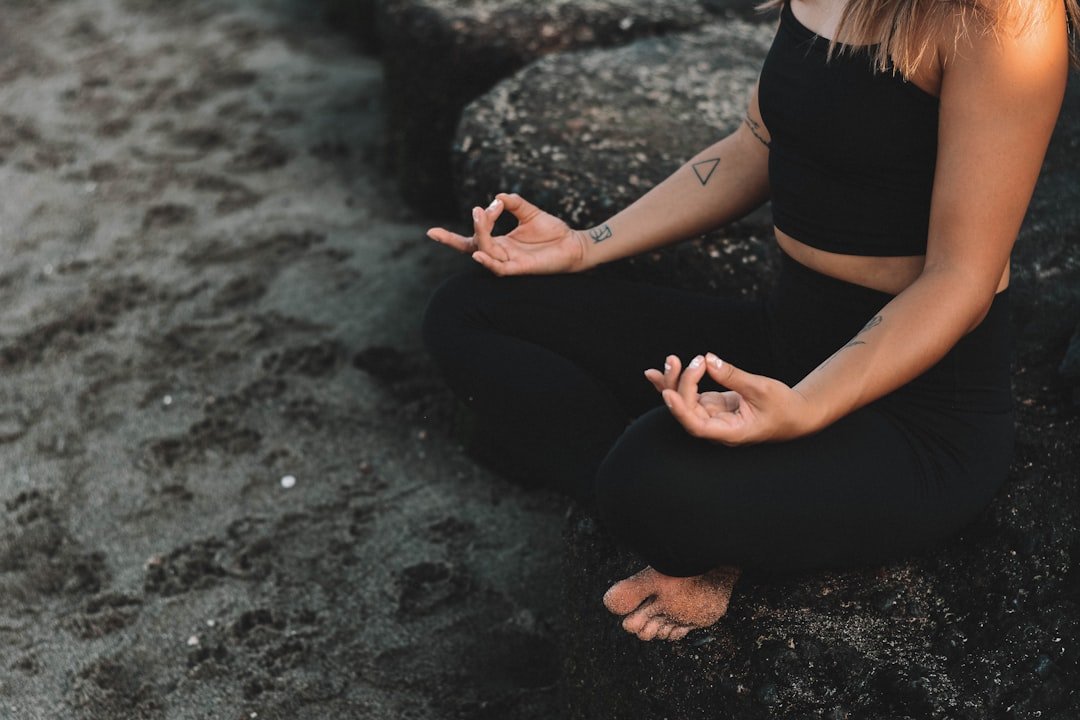
You don’t need to sit in silence for an hour to transform how you feel. Breath awareness practice for beginners is the fastest way to interrupt anxiety, ground yourself in the present moment, and activate your body’s natural calm response—and you can start in the next five minutes. Most women I work with discover that simple mindfulness steps change everything because breathing is the only tool you already carry with you everywhere.
Why Breath Awareness Practice for Beginners Works Better Than You’d Expect
Your breath is the bridge between your conscious mind and your nervous system. When stress hits, your breathing becomes shallow, rapid, and short. This pattern tells your body there’s danger, which triggers more cortisol, more anxiety, more racing thoughts. You’d think meditation requires perfect stillness—it usually doesn’t. Breath awareness practice for beginners interrupts this cycle without requiring you to empty your mind or sit still.
I’ve been doing this for years, and I’ve seen so many women skip meditation entirely because they think they’re “bad at it.” The moment they discover breath awareness practice for beginners, everything shifts. They realize they’ve been looking for complexity when the answer was always right in front of them—literally inside their own body.
Simple mindfulness steps work because they align with how your physiology actually functions.
| Practice Type | Time Required | Best For | Beginner-Friendly |
|---|---|---|---|
| Box breathing | 2-3 minutes | Immediate anxiety relief | Yes |
| 4-7-8 breathing | 5 minutes | Evening calm and sleep prep | Yes |
| Extended exhale breathing | 3-5 minutes | Nervous system regulation throughout day | Yes |
| Alternate nostril breathing | 5-10 minutes | Mental clarity and emotional balance | Moderate |
How Breath Awareness Practice for Beginners Fits Into Your Real Life
You don’t need a meditation cushion, a quiet room, or an app subscription to start. Breath awareness practice for beginners works in your car before work, at your desk during lunch, or in bed before sleep. The goal is simple mindfulness steps that become automatic—something you reach for naturally when stress rises, not another thing on your to-do list.
Here’s what actually matters. Consistency beats intensity every single time. Most people quit by day three because they expect a dramatic shift or they’re waiting for the “right moment” to begin. That moment is now, in whatever chaos surrounds you.
Your Starting Checklist
- Pick one time of day to practice (morning coffee, lunch break, bedtime—wherever fits)
- Choose one breath pattern from the table above that calls to you
- Set a phone reminder so you don’t forget
- Notice how your body feels before and after each session without judging
- Commit to five days before deciding if it’s working for you
- Write one sentence in a journal about what you observed after each practice
The Five-Step Process for Starting Your Breath Awareness Practice
Condition: You feel scattered, overwhelmed, or stuck in your body during the day. Audience: Women new to breathwork who want a clear, no-nonsense method. Method: Guided internal practice requiring only your attention and lungs. Here are the steps:
- Sit or lie down in a comfortable position where you won’t be interrupted for at least three minutes
- Place one hand on your heart and one on your belly to feel your breath moving through your body
- Breathe in through your nose for a count of four, hold for a count of four, exhale through your mouth for a count of six
- Repeat this cycle eight to ten times, noticing any sensations, emotions, or thoughts that arise without changing them
- When finished, sit quietly for one minute and notice how your nervous system feels now compared to when you started
This is the part that actually matters: most people rush through step five. They finish the breathing and immediately check their phone. That final minute of integration is where the real change happens.
Warning—if you feel dizzy or lightheaded, stop and return to your normal breathing pattern. This usually happens when you’re breathing too deeply too fast. Slow down. Your nervous system doesn’t need forcing.
Building Breath Awareness Practice for Beginners Into Your Daily Rituals
Simple mindfulness steps become powerful when they’re woven into routines you already do. Pair your breathing practice with something non-negotiable in your day. Morning coffee becomes a five-minute breathing session first, then the caffeine. Evening wind-down includes three minutes of extended exhale breathing before you open your journal. Lunch break transforms into a grounding moment instead of mindless scrolling.
I’ve been doing this for years, and I notice the women who succeed are the ones who remove friction. They don’t wait until evening when they’re exhausted. They don’t plan to do it “when things calm down.” They anchor the practice to something already happening.
Start with one anchor point.
My Picks for This
- Insight Timer offers free guided breathwork sessions specifically designed for beginners, with instructors who talk you through breath awareness practice step by step
- The Five Minute Journal gives you a physical place to write your observations after breathing sessions, making the practice tangible and trackable
- Calm includes a dedicated breathwork section with animations that guide your pacing, perfect if you’re unsure about timing
- Papier journal provides beautiful, tactile pages for recording how your breath awareness practice affects your mood throughout the week
- Breathwear app sends gentle reminders for simple mindfulness steps and tracks consecutive days of practice so you stay accountable
Frequently Asked Questions (FAQ)
Q1. How long does it take to notice real changes from breath awareness practice for beginners?
Most women report feeling calmer and more grounded within the first session. Lasting changes in anxiety patterns typically emerge after two to three weeks of consistent practice. You’ll notice your mind reaching for the breathing technique automatically during stress before you notice it in your overall mood baseline.
Q2. Can I do breath awareness practice for beginners if I have anxiety or panic attacks?
Yes, but start slowly and stop immediately if you feel more anxious. Some breathing patterns activate anxiety in people with certain histories. Extended exhale breathing tends to feel gentler for anxiety-prone nervous systems. Always check with a mental health professional about what’s safe for your specific situation.
Q3. Do I need an app or teacher to learn simple mindfulness steps correctly?
No. The steps in this post are complete enough to start today. Apps and teachers are helpful for reinforcement, motivation, and trying different styles—but your own body is the best teacher once you begin noticing what each pattern feels like.
Q4. What if I forget to practice or miss several days?
Start again tomorrow. You don’t need permission or perfection. I’ve seen women restart their practice five times and finally land it on the sixth attempt. Each restart is still progress because you’re rewiring your nervous system’s response to stress over time.
Q5. Is breath awareness practice for beginners a replacement for therapy or medication?
It’s a powerful complement, not a replacement. Breathwork helps you regulate your nervous system in the moment, but it doesn’t process trauma, rewrite thought patterns, or treat clinical conditions. If you’re working with a therapist or doctor, mention your breathing practice and ask how to integrate it into your existing care.
Q6. How do I know if I’m doing it “right”?
If you’re breathing intentionally and noticing your breath, you’re doing it right. There’s no perfect form. Your nervous system responds to your attention and intention, not to flawless technique. Trust what you feel.
This post is intended for informational purposes only and does not constitute medical or mental health advice. Always consult a qualified professional for personal health concerns.