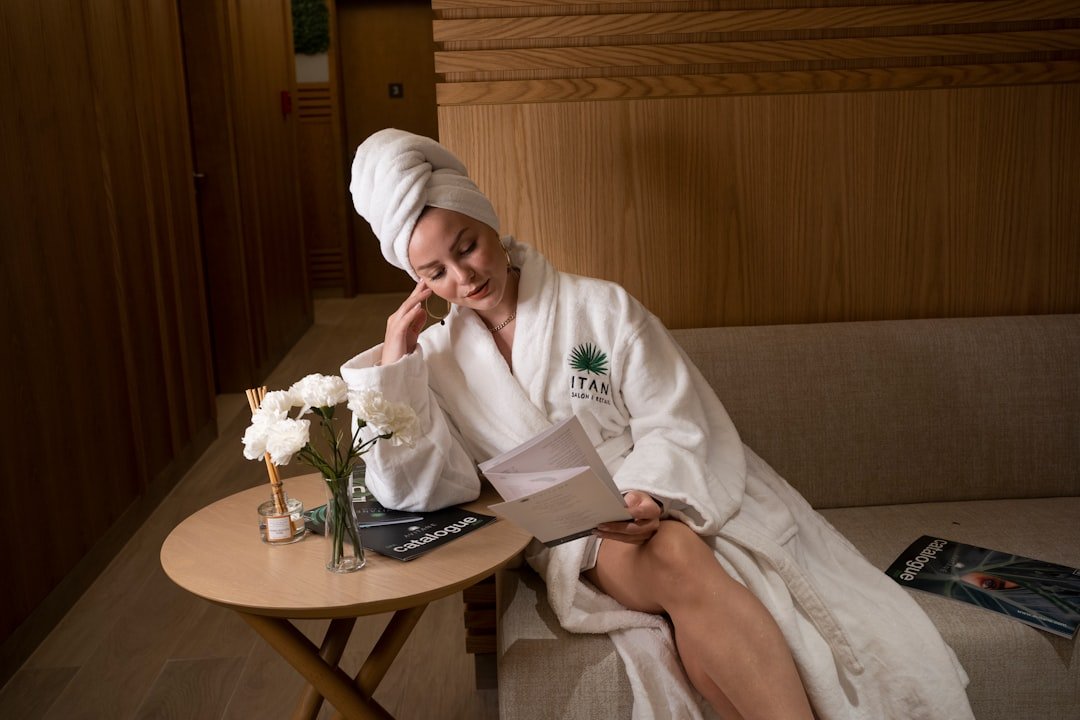
Self-care rituals for hormonal mood swings can begin on the evening when a minor unanswered text suddenly feels enormous and your usual to-do list feels oddly impossible. Pause there. A useful approach is to make a PMS comfort routine that lowers pressure, meets basic needs, and gives your feelings somewhere safe to land rather than demanding that you immediately feel cheerful or productive.
Cycle-related mood changes look different for each person. Some people feel more irritable or tender in the days before bleeding, while others mainly notice low energy, poor sleep, or a sharper inner critic. There is no prize for pushing through. Tracking what happens for two or three cycles can help you separate a difficult day from a repeating pattern, and it gives you clearer details to discuss with a qualified healthcare professional if symptoms disrupt daily life.
Self-care rituals for hormonal mood swings that stay realistic
The most sustainable rituals tend to be small enough for low-capacity days. Keep the bar low. Think of them as supports you can reach for, not another checklist to complete perfectly, because an elaborate routine can become one more reason to feel behind when you already have less emotional bandwidth.
Start by creating a short “minimum care” list before PMS arrives. Mine would include drinking something, eating a filling snack, taking a shower or washing my face, and changing into soft clothes. Pick two. Put the list in your notes app or on paper where you will actually see it. This is personal preference, but removing choices is often more comforting than trying to find the ideal wellness activity in the moment.
Set up a small comfort spot with practical items you use: a heat pack, a water bottle, tea, a charging cable, and clean underwear. Keep it simple. The goal is not to buy a curated kit; it is to avoid searching through cupboards when you are tired, uncomfortable, or close to tears.
Try a two-minute emotional check-in once a day during the part of your cycle that tends to feel harder. Ask, “What am I feeling?” Then ask, “What would make the next hour 5 percent easier?” The answer may be food, quiet, or a delayed decision. Naming a feeling does not erase it, but it can create a little distance between the feeling and the next thing you do.
Build a PMS comfort routine around your actual week
A PMS comfort routine works best when it fits your work, caring responsibilities, budget, and energy instead of copying someone else’s ideal Sunday reset. Use your calendar. If you generally notice symptoms before your period, add a private reminder a few days beforehand to check groceries, reduce optional plans, or prepare an easier dinner.
| Moment | Low-effort ritual | Why it may help practically |
|---|---|---|
| Morning feels heavy | Drink water and eat something with protein and carbohydrates | It reduces the chance that hunger adds to an already difficult mood. |
| Work feels overwhelming | Choose one priority and take a five-minute screen break | It narrows the day to a manageable next step. |
| Evening irritation rises | Use a heat pack and lower household expectations | Physical comfort and fewer demands can make winding down feel less combative. |
| Thoughts spiral at night | Write down tomorrow’s first task, then put the list away | It gives unfinished tasks a place outside your head. |
Food does not need to become a project. Aim for regular meals and snacks that feel satisfying, especially if you notice that long gaps between meals leave you more shaky, angry, or overwhelmed. A bowl of cereal with yogurt, toast with eggs, or a ready-made soup can count. Easy is useful.
Movement can also be scaled to your capacity. A ten-minute walk, gentle stretching while the kettle boils, or lying on the floor with your legs on the sofa are all valid options. Skip the performance mindset. If exercise makes you feel worse or you have pain that concerns you, stop and speak with a qualified healthcare professional rather than treating discomfort as something to overcome.
Use boundaries before resentment builds
Hormonal shifts do not make your needs less legitimate. They can make those needs harder to ignore. A small boundary during PMS may mean declining an optional evening plan, ordering an easier meal, or telling a partner, “I am at capacity tonight, so I need a quiet hour before we talk.”
Prepare a few neutral scripts when you feel calm. “I can reply tomorrow.” “I need to check my schedule.” “I want to talk about this, but not while I am upset.” Short scripts help. They buy time without requiring you to explain your cycle or defend every feeling.
If you live with someone, share the practical version of what helps rather than hoping they will guess. You might ask them to handle dinner one night, avoid bringing up a tense topic late in the evening, or give you twenty minutes alone after work. Specific requests are easier to act on. They also make room for care without turning a partner, friend, or family member into your therapist.
Make room for feelings without feeding the spiral
There is a difference between honoring a feeling and treating every thought as a final verdict. When you are feeling raw, try writing three columns: what happened, the story your mind is telling, and one kinder alternative explanation. Keep it brief. For example, “My friend has not replied” may become “She is angry with me,” then “She may be busy, and I can wait until tomorrow before deciding what this means.”
A short grounding practice can be more usable than a long meditation session on a busy day. Place both feet on the floor and look for five ordinary things in the room. Breathe normally. Notice the chair supporting you, the temperature of your hands, or one sound outside. This does not need to make the mood disappear; it is simply a way to return attention to the present moment.
Be cautious about major relationship talks, career decisions, or online purchases when you feel especially activated, if you have the option to wait. Delay is a tool. Put a 24-hour note beside the decision, eat something, sleep if you can, and revisit it when your body feels more settled. Some issues still need action, but you may approach them with more clarity.
Know when self-care is not enough
General wellness rituals have limits. Please take new, severe, or worsening symptoms seriously, especially if mood changes interfere with work, relationships, sleep, or your ability to care for yourself. A doctor or qualified mental health professional can help assess what is going on and discuss options that fit your situation.
Seek urgent local help if you feel at risk of harming yourself, cannot stay safe, or have thoughts of suicide. Do not stay alone with it. Contact local emergency services, a crisis service, or a trusted person who can be physically present, and tell them plainly what is happening.
There is no need to earn support by having the “right” amount of distress. Your cycle notes, a short symptom list, and examples of how symptoms affect daily life can make an appointment easier. Bring them along. You deserve to be listened to without having to minimize what you experience.
Frequently asked questions
How long should a PMS comfort routine take?
Start with ten minutes or less. That is enough. Try one body-based action, such as a snack or heat pack, plus one calming action, such as putting your phone down while you shower. A routine you can repeat on an ordinary Tuesday is more useful than a long plan reserved for rare free evenings.
Should I track my mood every day?
Daily tracking can be useful if it feels neutral and gives you information rather than making you hypervigilant. Keep it basic. Note your cycle day, mood on a simple scale of one to five, sleep, and any symptoms that affected your day. If tracking makes you more anxious, reduce it or stop.
What if my PMS mood swings affect my relationship?
Choose a calm moment outside an argument to explain your pattern and your preferred support. Be concrete. You might say that you need fewer problem-solving conversations late at night before your period, but that you still want to revisit important issues the next day. If conflict feels persistent or unsafe, reach out to a qualified professional for support.
Can self-care rituals replace medical support?
No. Self-care can support comfort and awareness, but it cannot diagnose or treat a health condition. Contact a qualified healthcare professional if symptoms are intense, change suddenly, or regularly affect your quality of life. Getting help is practical, not dramatic.
Related posts
This article is for general informational purposes only and does not constitute medical or mental health advice. Self-care and mindfulness practices affect everyone differently — always consult a qualified professional for anxiety, sleep, mood, or any ongoing mental health concern.
Disclosure: This post may contain affiliate links. If you click through and make a purchase, we may earn a commission at no extra cost to you. We only recommend products we’ve researched or genuinely believe in.