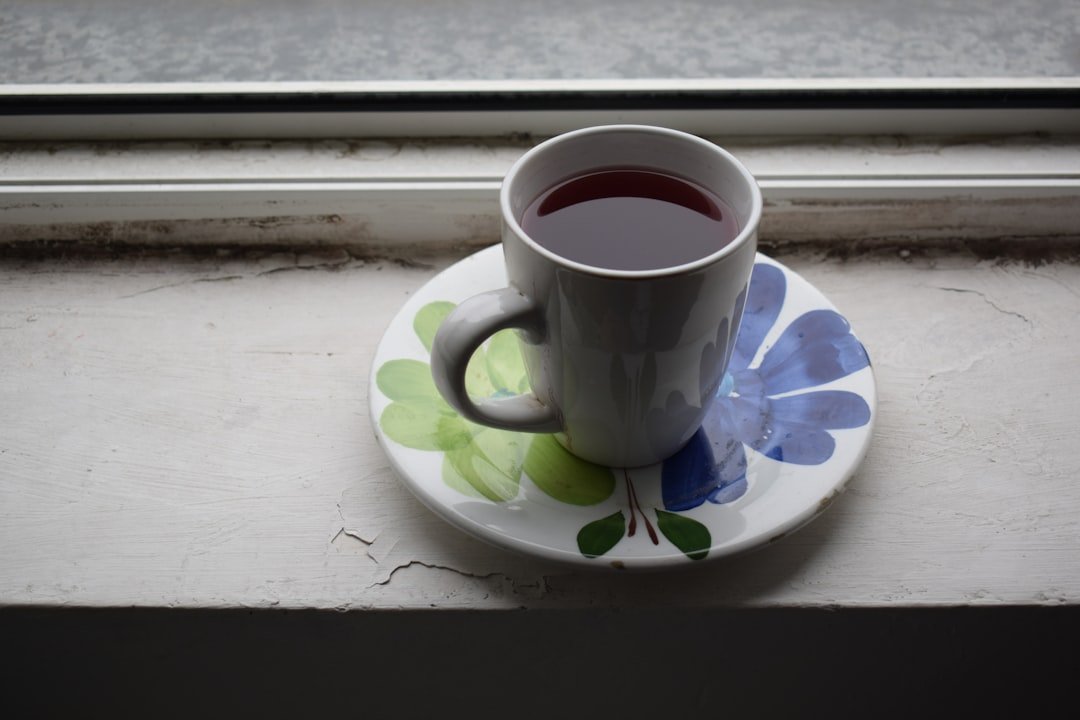
Self-care ideas for rainy days can start when rain taps the windows, the laundry is waiting, and leaving home suddenly feels like too much effort. Keep it simple. The best self-care ideas for rainy days do not require a perfect routine, a shopping trip, or the mood to turn the day into a project; they create a little more comfort and choice inside the day you already have.
A rainy afternoon can feel restful, dull, or oddly heavy. All are normal. Rather than asking, “What should I accomplish?” try asking, “What would make the next hour easier to be in?” That question has helped me avoid treating rest like another task to complete.
Self-care ideas for rainy days that fit your energy
Choose an activity based on your current capacity, not an idealized version of yourself. Start small. If you are drained, pick something that needs almost no preparation, such as making tea and sitting near a window for ten minutes. If you have more energy, choose a hands-on task that gives your mind one gentle place to land.
| How you feel | Try this | What you need | Natural stopping point |
|---|---|---|---|
| Mentally busy | Brain-dump journal page | Paper and pen | One full page |
| Physically tense | Warm shower and fresh clothes | Towel and comfortable outfit | After getting dressed |
| Low energy | Tea, blanket, and an audio story | A warm drink and headphones | One episode or chapter |
| Restless | Cook one simple comfort meal | Basic ingredients | When the kitchen is reset |
| Needing connection | Send one honest check-in text | Your phone | After one message |
The stopping point matters. It prevents a cozy plan from becoming another vague obligation that follows you around the house. A twenty-minute activity is enough when that is what you can give.
Build a rainy-day reset in 30 minutes
A short reset is useful when the day has started to blur together. No elaborate setup. Set a timer for 30 minutes, and divide it into three loose parts: five minutes to change your environment, fifteen minutes for one soothing activity, then ten minutes to prepare for later.
- Change one sensory detail. Open a window briefly if it is safe, switch on a lamp, put on warm socks, or make a drink. Pick one.
- Choose one quiet focus. Read a few pages, do a simple puzzle, paint your nails, stretch gently, or listen to an album without multitasking.
- Leave a small gift for later. Wash one mug, set out tomorrow’s clothes, or write down dinner ingredients before you return to resting.
This sequence works because it asks very little at once. Five minutes counts. The final step is not about being productive; it is a way to reduce one tiny point of friction for your future self.
Cozy indoor activities that feel genuinely restorative
Cozy indoor activities are most helpful when they are pleasant without demanding performance. A hobby can be nourishing, but it does not need to produce something shareable, useful, or impressive. Make it private.
Try a low-stakes kitchen ritual if warmth sounds appealing. Bake a familiar recipe, make soup with what you have, or assemble a snack plate on a real plate instead of eating over the sink. Use what is available. The small act of preparing food slowly can make an ordinary afternoon feel more intentional, especially when the weather has removed your usual urge to rush outside.
A reading ritual can work even if you do not feel focused enough for a novel. Pick a magazine, a cookbook, essays, or a book you have already read. Read ten pages. Put your phone in another room for that short stretch, then decide whether you want more.
Hands-on comfort is another option for a fidgety mind. Fold clean laundry while listening to a familiar podcast, mend a loose button, sort a drawer for fifteen minutes, or make a simple collage from old magazines. Keep the bar low. The point is gentle absorption, not a polished result.
If screens are part of your rest, make the choice a little more deliberate. Watch one film you have wanted to see, play a comforting game, or follow a short beginner-friendly craft video using supplies you already own. Turn off autoplay first. That one boundary can make entertainment feel chosen rather than endless.
Create a comfort corner without buying anything
You do not need a styled home to make a corner feel calmer. Start with a chair, the end of the sofa, or one side of your bed. Clear only the surface you will use. A whole-room reset is unnecessary.
Add one item for warmth and one item for ease. That may be a blanket and a glass of water, or a pillow and a book. Keep it visible. When those items are already there, it is easier to take a real pause instead of defaulting to scrolling.
Light can change the feeling of a gray day. If daylight is dim, use a lamp rather than relying on harsh overhead lighting, assuming that feels comfortable in your space. Small shift. I personally find softer light helps me treat an evening at home as a transition into rest, but your preference may be completely different.
Use rain as a cue to slow down
Rainy weather can invite a quieter pace, but it can also make routines feel disrupted. Give the day one anchor. An anchor is a repeatable action that tells your brain, “I am home, and I know what happens next.”
Your anchor could be changing into comfortable clothes after work, making an afternoon drink, or doing a five-minute tidy before dinner. Keep it repeatable. Over time, the action may become easier to begin because you do not have to decide anew every time the weather turns.
Try pairing the ritual with a clear boundary around work or chores. For example, close your laptop at 5:30, put it in a drawer or bag, make tea, and sit down for ten minutes before deciding what comes next. That is a practical transition. It may not erase stress, but it can create a pause between responsibilities and the rest of your evening.
When self-care means doing less
Some rainy days are simply low days. That happens. If you are exhausted, the kindest option may be a shower, a basic meal, medication as prescribed, and an earlier bedtime routine. There is no prize for making your rest aesthetically pleasing.
A useful minimum plan has three parts: drink something, eat something with substance, and make your body more comfortable. Start there. If you do more, fine; if you do not, you still met a real need.
If persistent low mood, anxiety, sleep trouble, or feeling unable to manage daily life is affecting you, general wellness rituals may not be enough. Reach out to a qualified mental health professional or healthcare provider for support that fits your situation. You deserve proper care.
Frequently asked questions
What are easy self-care ideas for rainy days when I am tired?
Choose the lowest-effort comfort available: a warm drink, clean pajamas, a shower, a familiar show, or ten minutes under a blanket with your phone out of reach. Make one choice. Tired days usually call for fewer decisions, not a detailed schedule.
How can I enjoy a rainy day alone?
Give the day a loose shape instead of filling every hour. Pick one comforting meal, one cozy indoor activity, and one small point of connection, such as a voice note or text to someone you trust. Keep it light. Solitude often feels better when you have a little structure and no pressure to make it productive.
What if staying indoors makes me feel restless?
Add gentle movement without turning it into a workout requirement. Stretch while water boils, walk around your home during a podcast episode, dance to two songs, or do a few household tasks with a clear end point. Two songs is enough. If weather and safety allow, even a brief walk under an umbrella may help break up the day.
Do I need to spend money on self-care supplies?
No. Many of the most reliable rituals use what you already have: warm water, a notebook, music, food, comfortable clothing, or a tidier place to sit. Use what works. Buying something can be enjoyable, but it is optional rather than a requirement for caring for yourself.
Related posts
This article is for general informational purposes only and does not constitute medical or mental health advice. Self-care and mindfulness practices affect everyone differently — always consult a qualified professional for anxiety, sleep, mood, or any ongoing mental health concern.
Disclosure: This post may contain affiliate links. If you click through and make a purchase, we may earn a commission at no extra cost to you. We only recommend products we’ve researched or genuinely believe in.