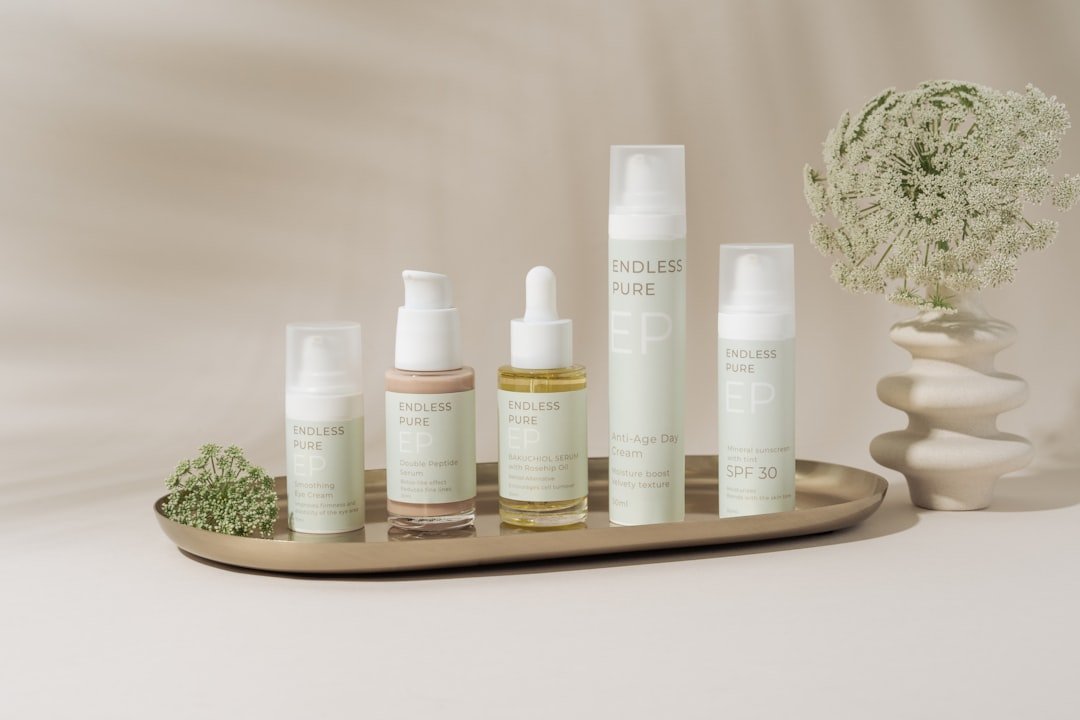
Tonight, put your cleanser beside your toothbrush and use it immediately after you brush. That is the most useful first step in learning how to build a nighttime skincare habit that sticks, because it connects skincare to an action you already do without much thought. Start small. A routine repeated on ordinary, exhausted evenings matters more than an elaborate plan you only manage once a week.
How to build a nighttime skincare habit that sticks
The goal is not a bathroom shelf full of products or a perfectly timed ritual. It is a dependable cue, a short sequence, and a setup that asks very little of you when your energy is low. Keep it easy. For most beginners, cleansing and moisturizing is enough to establish the habit before you consider adding anything else.
I have found that habits become less fragile when I stop treating them as a test of motivation. Motivation changes daily. Your environment is steadier, so use it: leave the products you use each night where you will naturally see them, rather than storing them in a drawer that adds one more decision at bedtime.
Start with a two-step baseline
Choose a gentle cleanser and a moisturizer you are comfortable using, then make those your complete nighttime routine for at least two weeks. That is enough. A short routine gives you a clear win and lets you notice whether either product feels uncomfortable before several new products make the cause hard to identify.
Your first version can take two minutes. Cleanse your face with lukewarm water, pat it dry, and apply moisturizer according to the product directions. Then stop. If you wear makeup or water-resistant sunscreen, you may need a first cleansing step that removes it before your regular cleanser, but keep the rest of the routine unchanged at first.
Do not confuse more steps with better follow-through. A seven-product routine may be enjoyable for someone who already has the habit, but beginners often quit because each bottle creates another choice, another texture, and another reason to postpone bedtime. Less is lighter.
Pick a cue that already happens
A cue is the moment that reminds you to begin. Brushing your teeth is a strong choice because it happens in the same place and usually at roughly the same point in the evening. Use that. You can also connect skincare to taking out contact lenses, changing into pajamas, or plugging in your phone, as long as the action is reliably part of your night.
Make the order specific: “After I brush my teeth, I wash my face and apply moisturizer.” This wording sounds almost too simple, yet it removes the question of when you will do it. The answer is already built in. Avoid vague plans such as “I will do skincare before bed,” because bedtime can include scrolling, snacks, laundry, and ten other detours.
If brushing happens after you are already half asleep, move the cue earlier. Try doing your routine right after dinner or when you first change clothes at home. Earlier is fine. The best time is the one you can repeat, not the time that looks most polished online.
Make the bathroom setup do the reminding
Put your two products where your eyes land during your existing cue. A small tray beside the sink, a clear basket near your toothbrush, or one dedicated shelf can work well. Keep it visible. If you share a bathroom and need to put things away, keep the items together in a pouch that you can lift out in one motion.
Reduce every tiny barrier you can see. Keep a clean towel within reach, make sure the cap is easy to open, and replace products before they are fully empty if running out tends to break your rhythm. These details sound minor. They are often the difference between “I will do it tomorrow” and actually doing it tonight.
Consider creating a travel-size backup for nights away from home. A simple pouch with a small cleanser and moisturizer protects the routine during sleepovers, work trips, or family visits. It does not need to be fancy. Continuity matters more than a perfect setup.
Use a minimum version for hard nights
The habit that sticks is the one that has a low-energy option. Decide now what counts when you are sick, overwhelmed, traveling, or simply too tired to do much. Make it realistic. For example, your minimum version could be a quick cleanse followed by moisturizer, or moisturizer alone if cleansing genuinely feels beyond reach that night.
This is not about lowering your standards forever. It is about avoiding the all-or-nothing pattern where one missed evening turns into a week because the routine starts to feel like a failure. You are practicing return. The next night, go back to your regular two steps without trying to compensate with extra products.
Keep a gentle face wipe option only if it helps you avoid sleeping in heavy makeup on an occasional difficult night, and follow it with moisturizer if your skin tolerates that. Do not make wipes your automatic replacement for cleansing if you have access to water. They can be a backup, not the plan.
Add products only after the habit feels automatic
Once your basic routine feels ordinary, you can decide whether you want one additional product for a personal goal, such as dryness, uneven texture, or blemishes. Add one thing. Use it as directed, and give your skin time to respond before introducing another new item.
Patch testing can be a sensible precaution for a new product, especially if your skin reacts easily. Follow the brand instructions when they are provided. If a product causes persistent burning, swelling, a rash, or worsening irritation, stop using it and seek advice from a qualified healthcare professional or dermatologist.
Be especially cautious with strong exfoliants, retinoid products, and products marketed for active skin concerns. They are not required to build the habit. If you are pregnant, breastfeeding, managing a skin condition, or using prescription skincare, check with an appropriate clinician or pharmacist before adding active ingredients.
Track consistency without making it stressful
A simple visual record can help during the first few weeks. Put a small calendar near your bathroom, add a recurring reminder to your phone, or make a check mark in a notes app after you finish. Keep it neutral. The record is a cue and a bit of evidence that you are becoming someone who follows through, not a scorecard for judging yourself.
Try a 14-night experiment. Your only target is to complete your two-step routine on most nights, with your minimum version allowed whenever needed. If you miss a night, mark nothing and continue the next evening. A missed day is information, not proof that you are bad at habits.
At the end of two weeks, ask one practical question: what got in the way? Maybe your cleanser was in a cabinet, your bedtime shifted, or you disliked the product texture. Change the obstacle. Do not blame yourself for a routine that was poorly designed for your real life.
Protect the routine when life gets busy
Busy weeks are when a habit becomes real. Rather than expecting your ideal evening, decide where the routine fits when you arrive home late or when guests are staying over. Keep the sequence short. You can even set an earlier phone reminder that says “brush, cleanse, moisturize” until the order begins to feel natural.
Be careful with the idea of a perfect streak. Streaks can feel motivating, but they can also make one missed night seem dramatic enough to abandon the effort. Aim for a quick restart instead. The useful rule is simple: never make a missed night mean you have quit.
Your routine may shift with seasons, travel, changing work hours, or a product that no longer feels right. That is normal. Keep the cue and minimum version steady, then adjust the details around them. Flexibility is part of consistency.
FAQ
How long does it take to build a nighttime skincare habit?
There is no universal number of days because schedules, stress, and routines differ. Give yourself at least two weeks of doing the same short sequence after the same cue before you judge whether the setup works. Stay patient. If it still feels hard, simplify the routine or make the products easier to reach.
What is the best nighttime skincare routine for beginners?
A basic cleanser and moisturizer is a practical starting point for many beginners. Keep it simple. Choose products that feel comfortable on your skin, use them according to their labels, and avoid adding several active products at once. A dermatologist can offer individualized guidance for persistent concerns or a known skin condition.
Should I do skincare before or after brushing my teeth?
Either order can work, but brushing first often makes the habit easier because it becomes the cue for cleansing and moisturizing. Pick one order. Repeating the same sequence is more useful than searching for a universally perfect order.
What should I do when I am too tired for my routine?
Use your pre-decided minimum version rather than skipping because the full routine feels like too much. A quick cleanse and moisturizer may be manageable, and moisturizer alone may be your personal fallback on a truly difficult night. Then return to your regular routine tomorrow. No catching up is needed.
Why do I keep forgetting nighttime skincare?
Forgetting usually points to a missing cue or an inconvenient setup, not a character flaw. Put the products beside an established evening item, set a temporary reminder, and reduce your routine to two steps. Make it obvious. Once you repeat it in the same context, remembering generally requires less effort.
Related posts
This article is for general informational purposes only and does not constitute medical or mental health advice. Self-care and mindfulness practices affect everyone differently — always consult a qualified professional for anxiety, sleep, mood, or any ongoing mental health concern.
Disclosure: This post may contain affiliate links. If you click through and make a purchase, we may earn a commission at no extra cost to you. We only recommend products we’ve researched or genuinely believe in.