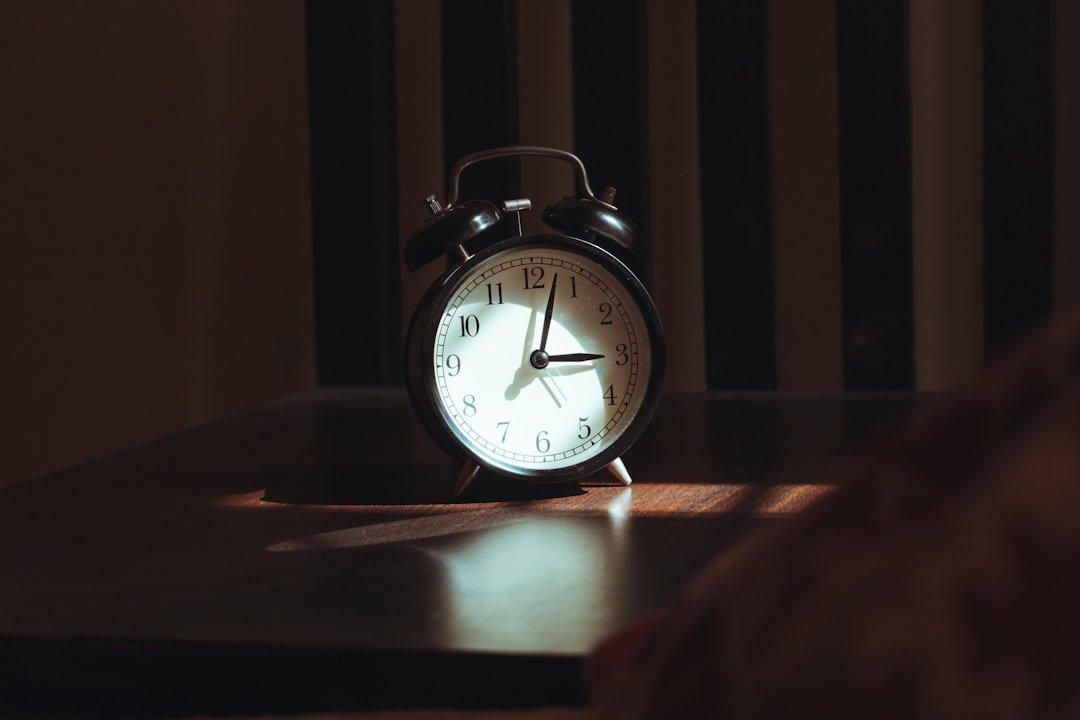
To wake up earlier without feeling tired, choose one wake-up time you can keep most days, then count backward to give yourself enough time in bed tonight. For most adults, that means protecting a sleep window that fits their individual needs rather than trying to win the morning by cutting sleep short. That is the practical core of how to wake up earlier without feeling tired: shift your schedule, not just your alarm.
I learned this the unglamorous way. A 5:30 a.m. alarm does not create a 5:30 a.m. person if bedtime is still drifting toward midnight, and repeated snoozing usually leaves me more groggy than getting up on the first alarm. Choose a wake time that supports a real reason, such as a quiet breakfast, a commute, or fifteen unhurried minutes before the house wakes up.
How to wake up earlier without feeling tired
Begin by setting your wake time only 15 to 30 minutes earlier than usual. Hold it there for several days before moving it again if you still want an earlier start. A big one-night shift can feel like jet lag because your body clock has not had time to catch up, while a smaller shift gives your evening habits, light exposure, and sleepiness a chance to move with you.
Next, decide when your wind-down needs to begin, not only when you want to be asleep. If you need to wake at 6:30 a.m. and usually feel best with about eight hours in bed, aim to be in bed around 10:30 p.m. and begin wrapping up your day 30 to 60 minutes earlier. A bedtime alarm can be more useful than a morning alarm because it reminds you to stop starting new tasks.
Keep the wake time fairly steady on weekends too. Perfection is unnecessary. Sleeping much later on free days can make an early Monday feel harsher, especially when the difference is several hours, so try to keep your later wake-up within about an hour when you can. A slower morning is fine. The consistency matters more than forcing an identical minute every day.
Give your body an earlier cue
Light is one of the clearest signals your body uses to time alertness and sleepiness. Get outdoor daylight soon after waking if possible. Even a few minutes on a porch, balcony, or during a brief walk is often more effective for feeling awake than sitting beside a bright indoor lamp, particularly on a cloudy day when outdoor light is still usually stronger.
Open the curtains before you check your phone. If mornings are dark where you live, turn on household lights promptly. Some people also use gradual-light alarms; this is a general option to consider rather than a recommendation of any particular product, and it is worth checking product instructions and return policies before buying. No gadget replaces enough sleep. It can only make the transition out of bed less abrupt.
At night, make your environment less stimulating as bedtime approaches. Dim lights, lower screen brightness, and avoid bringing a stressful work task into bed if you can. I do not think every screen needs to disappear after dinner, but I notice a difference when I stop scrolling in the final stretch before sleep and give my brain a quieter landing.
Build morning energy with a low-effort routine
Your first ten minutes should require almost no decision-making. Put water where you will see it, lay out comfortable clothes, and choose one small action that gets you upright. The goal is not a perfect wellness routine before sunrise; it is to avoid negotiating with yourself while you are still half asleep.
Try this simple sequence for your first 15 minutes:
- Get out of bed when the alarm rings. Place the alarm across the room if reaching for snooze is automatic.
- Turn on light or step outside. Let your eyes adjust before looking closely at a phone.
- Drink some water. This is a basic reset, not a cure for fatigue.
- Move for two minutes. Walk around, stretch gently, or make the bed.
- Do one pleasant thing. Make tea, play a favorite song, or sit in a sunny spot.
That last step matters more than it sounds. A morning routine is easier to repeat when it contains something you actually like, and attaching a small pleasure to waking early can make the habit feel less like punishment. Mine is often a warm drink and five quiet minutes, which is personal preference rather than a universal formula.
If you use caffeine, experiment with the timing and amount rather than assuming more is better. A coffee early in the day may fit your routine, but caffeine later in the afternoon can interfere with sleep for some people and create the same tired morning you are trying to avoid. Keep a brief note for a week about when you drink it, when you fall asleep, and how you feel on waking.
Protect the evening that creates the morning
Early mornings are mostly built the night before. Choose a short closing routine that tells you the day is ending: set out what you need, write tomorrow’s first task on paper, and do a low-key activity until bed. Its purpose is to reduce the small decisions and last-minute stress that can keep you awake longer than planned.
Food, alcohol, exercise, and late work can affect sleep differently from person to person. You do not need rigid rules. Instead, look for your own obvious patterns, such as a heavy late meal that leaves you uncomfortable, a hard workout that makes you feel wired close to bedtime, or a glass of wine that seems relaxing at first but is followed by a restless night.
Set up your bedroom for sleep in practical ways. A cool, dark, quiet room helps many people, and it is reasonable to use earplugs, an eye mask, or a fan if they make your space more comfortable. Changing one thing at a time makes it easier to tell what actually helped.
Use a two-week adjustment plan
A short experiment is more useful than repeatedly declaring yourself bad at mornings. Track the change for two weeks. During that time, note your wake time, approximate bedtime, whether you woke during the night, your caffeine timing, and your morning energy on a simple one-to-five scale. This is not a diagnosis. It is just a way to see whether your routine and your expectations match.
For example, if you currently wake at 7:30 a.m. and want to wake at 6:30 a.m., start with 7:00 for four or five days. Move bedtime earlier by the same 30 minutes, then repeat with 6:45 and finally 6:30 if you are getting enough sleep and functioning reasonably during the day. If needed, pause rather than rushing the adjustment.
Pay attention to the difference between ordinary sleepiness right after waking and persistent exhaustion that follows you through the day. The first can improve as a schedule becomes familiar. The second deserves more curiosity. If you regularly cannot get adequate sleep, snore loudly or wake gasping, fall asleep unintentionally, or have ongoing fatigue despite making sensible habit changes, speak with a qualified healthcare professional rather than trying to self-manage it indefinitely.
Common mistakes that drain morning energy
The biggest mistake is setting an aspirational alarm without changing bedtime. It feels productive for one morning. Then sleep debt catches up, you sleep late when you can, and the schedule becomes even less steady. An earlier alarm only works when it comes with an earlier opportunity to sleep.
Another trap is treating snooze as rest. Those extra minutes are often fragmented and tense because you are waiting for another alarm, and they can make getting up feel more difficult. One alarm may help. If getting up is hard, change the distance between you and the alarm before judging your willpower.
Finally, do not make your morning so demanding that you dread it. You do not need cold showers, intense workouts, or a packed journal page to count as an early riser. Daylight, a shower, a short walk, or breakfast at the table can be enough to tell your brain that the day has started.
Frequently asked questions
How early should I wake up?
Wake up early enough to support the life you want while leaving adequate time for sleep. A 6:00 a.m. wake-up is not inherently healthier than 7:30 a.m. if the earlier hour leaves you chronically short on sleep or makes your day harder to manage.
Can I change my sleep schedule in one weekend?
You can shift it a little, but a gradual change is usually easier to sustain. Moving by 15 to 30 minutes at a time gives you a better chance of falling asleep closer to your new bedtime instead of lying awake frustrated.
Why am I tired even when I sleep longer?
Time in bed and restorative sleep are not always the same thing. Stress, an inconsistent schedule, alcohol, room conditions, medication, illness, and sleep problems can all affect how rested you feel. Ongoing fatigue is worth discussing with a qualified healthcare professional.
Should I exercise first thing in the morning?
Only if it feels workable for you. A brief walk or gentle stretch can help you feel more alert, but intense exercise is not required for morning energy. Consistency tends to matter more than an impressive plan that you abandon after a few days.
What if I naturally feel more awake at night?
Work with your actual life where possible. Some people genuinely prefer later hours, and forcing an extremely early schedule may be difficult. If you need to shift earlier for work or family, use the gradual approach, morning light, and a stable wake time, while accepting that your ideal schedule may not look like someone else’s.
Related posts
This article is for general informational purposes only and does not constitute medical or mental health advice. Self-care and mindfulness practices affect everyone differently — always consult a qualified professional for anxiety, sleep, mood, or any ongoing mental health concern.
Disclosure: This post may contain affiliate links. If you click through and make a purchase, we may earn a commission at no extra cost to you. We only recommend products we’ve researched or genuinely believe in.